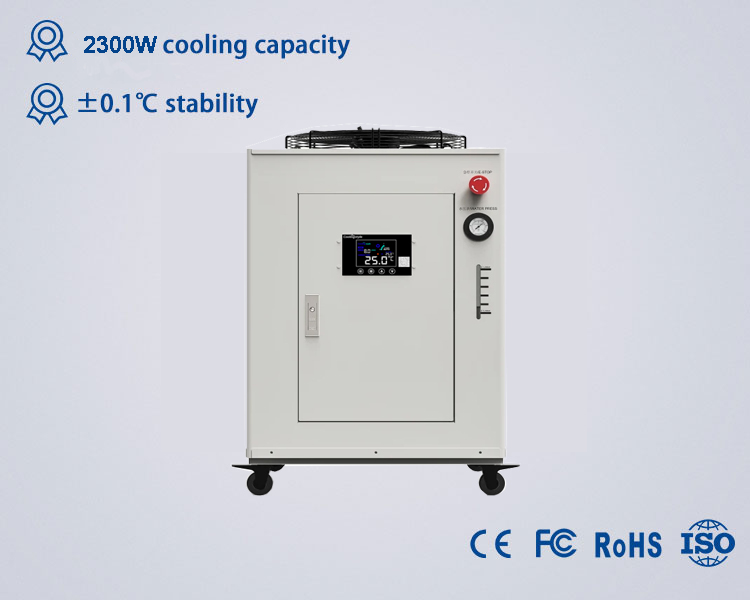
موثوقة نظام التبريد بالليزر ضروري للحفاظ على الأداء, دقة, وعمر آلات ليزر الألياف الحديثة. مع استمرار تكنولوجيا الليزر في التقدم عبر التصنيع, طبي, وصناعات أشباه الموصلات, أصبحت الإدارة الحرارية الفعالة مطلبًا بالغ الأهمية.
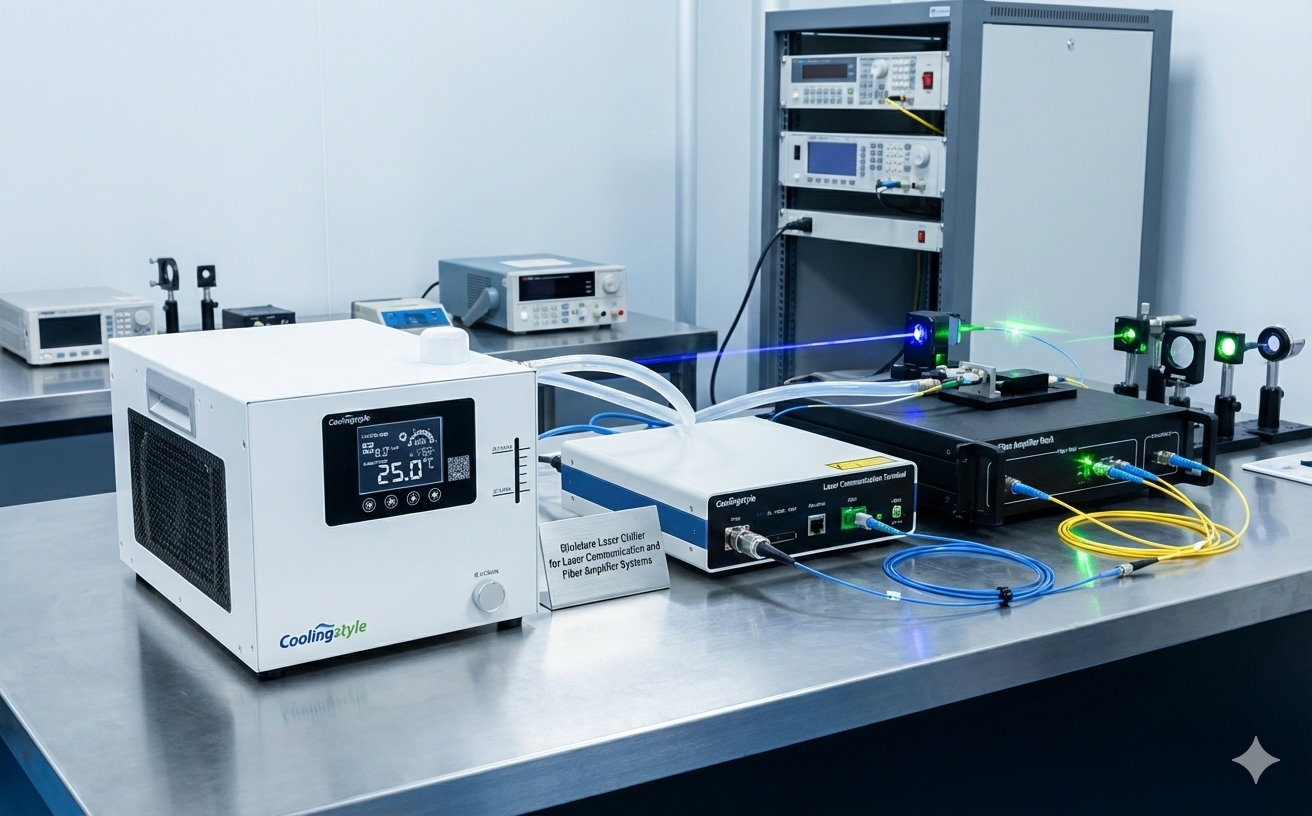
الحرارة الزائدة المتولدة أثناء عملية الليزر يمكن أن تؤثر بشكل مباشر على جودة الشعاع, دقة المعالجة, وموثوقية المعدات. يضمن نظام التبريد بالليزر الاحترافي التحكم المستقر في درجة الحرارة والتشغيل المستمر في ظل الظروف الصعبة.
لماذا تتطلب آلات ألياف الليزر نظام تبريد بالليزر
تولد أنظمة ليزر الألياف حرارة كبيرة من المكونات الأساسية مثل مصادر الليزر, الوحدات البصرية, ووحدات التحكم الإلكترونية. بدون تبريد فعال, قد تواجه هذه الأنظمة:
- عدم استقرار قوة الليزر
- انخفاض جودة الشعاع
- تلف المكونات البصرية
- إغلاق النظام المتكرر
- تقصير عمر المعدات
يحافظ نظام التبريد بالليزر عالي الأداء على درجات حرارة تشغيل ثابتة, السماح لمعدات الليزر بأداء أعلى كفاءة.
كيف يعمل نظام التبريد بالليزر
يعمل نظام التبريد بالليزر باستخدام دورة تبريد ذات حلقة مغلقة مصممة لإزالة الحرارة بكفاءة.
- يدور المبرد عبر مصدر الليزر ويمتص الحرارة.
- يدخل المبرد الساخن إلى المبخر.
- يقوم نظام التبريد بإزالة الطاقة الحرارية.
- يعود السائل المبرد إلى معدات الليزر.
يضمن هذا الدوران المستمر تنظيمًا دقيقًا لدرجة الحرارة, غالبًا ما يكون ضمن ±0.1 درجة مئوية لتطبيقات الليزر عالية الدقة.
الميزات الرئيسية لنظام التبريد بالليزر المتقدم
استقرار درجة الحرارة العالية
تحافظ وحدات التحكم PID الدقيقة على أداء التبريد المتسق المطلوب لأجهزة ليزر الألياف.
تصميم التكامل المدمج
تم تصميم أنظمة التبريد الحديثة بالليزر لتتناسب بسلاسة مع خزانات معدات الليزر أو خطوط الإنتاج.
كفاءة الطاقة
تعمل الضواغط والمبادلات الحرارية المحسنة على تقليل استهلاك الطاقة التشغيلية.
مراقبة ذكية
تعمل المراقبة في الوقت الفعلي على حماية الأنظمة من خلال أجهزة الإنذار الخاصة بمعدل التدفق, ضغط, وظروف درجة الحرارة.
تطبيقات أنظمة التبريد بالليزر
تُستخدم أنظمة التبريد بالليزر على نطاق واسع في الصناعات بما في ذلك:
- ماكينات قطع فايبر ليزر
- أنظمة اللحام بالليزر
- معدات النقش بالليزر
- معالجة أشباه الموصلات بالليزر
- أجهزة الليزر الطبية
- منصات البحث العلمي بالليزر
يتطلب كل تطبيق قدرة تبريد مخصصة ودقة في درجة الحرارة.
اختيار نظام التبريد بالليزر المناسب
عند اختيار نظام التبريد بالليزر, يجب على المهندسين تقييم:
- مخرجات طاقة الليزر
- استقرار درجة الحرارة المطلوبة
- الطلب على قدرة التبريد
- درجة الحرارة البيئية
- قيود مساحة التثبيت
- متطلبات التشغيل المستمر
تضمن المطابقة الصحيحة للنظام أقصى قدر من الكفاءة والموثوقية التشغيلية على المدى الطويل.
حلول التبريد بالليزر Coolingstyle
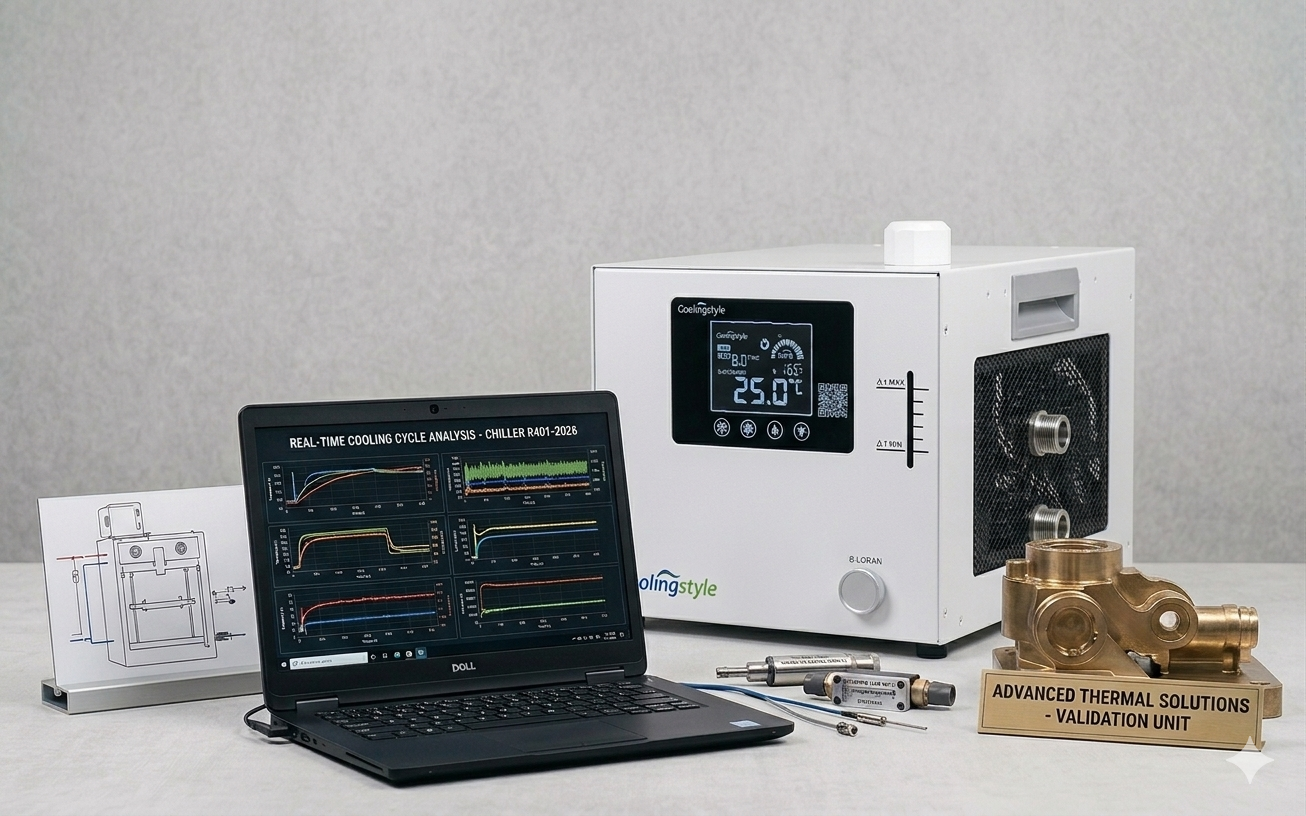
أسلوب التبريد متخصصة في حلول نظام التبريد بالليزر عالية الدقة المصممة للتطبيقات الصناعية الصعبة.
تقدم أنظمتنا:
- تحكم بدرجة الحرارة عالية الدقة
- هيكل مدمج وحدات
- عملية مستقرة على المدى الطويل
- انخفاض الاهتزاز والضوضاء
- حلول تبريد OEM مخصصة
يتم تطبيق أنظمة التبريد بالليزر Coolingstyle على نطاق واسع في التصنيع بالليزر, معالجة أشباه الموصلات, التكنولوجيا الطبية, والصناعات البحثية المتقدمة في جميع أنحاء العالم.
الأسئلة المتداولة
ما هو استقرار درجة الحرارة المطلوبة لليزر الألياف?
تتطلب معظم أنظمة ليزر الألياف ثباتًا في درجة الحرارة بين ±0.1 درجة مئوية و±0.5 درجة مئوية اعتمادًا على دقة المعالجة.
هل يمكن لنظام تبريد واحد أن يدعم أجهزة ليزر متعددة?
نعم, يمكن لأنظمة التبريد بالليزر المصممة بشكل صحيح أن تدعم أجهزة متعددة عندما يتم حساب سعة التبريد بشكل صحيح.
هل التخصيص متاح?
يوفر Coolingstyle قدرة تبريد مخصصة, واجهات الاتصالات, وخيارات التكامل الهيكلي.
خاتمة
يعد نظام التبريد بالليزر الاحترافي أمرًا ضروريًا لضمان أداء الليزر المستقر, كفاءة الإنتاج, وطول عمر المعدات. يؤثر اختيار حل التبريد المناسب بشكل مباشر على جودة التصنيع والموثوقية التشغيلية.
توفر Coolingstyle أنظمة تبريد ليزر متقدمة مصممة لتلبية المتطلبات المتطورة لتطبيقات الليزر الحديثة.