Un confiable medical equipment cooling system is essential for maintaining the accuracy, seguridad, and long-term performance of modern healthcare devices. From diagnostic imaging systems to medical lasers, advanced medical equipment generates heat that must be precisely controlled.
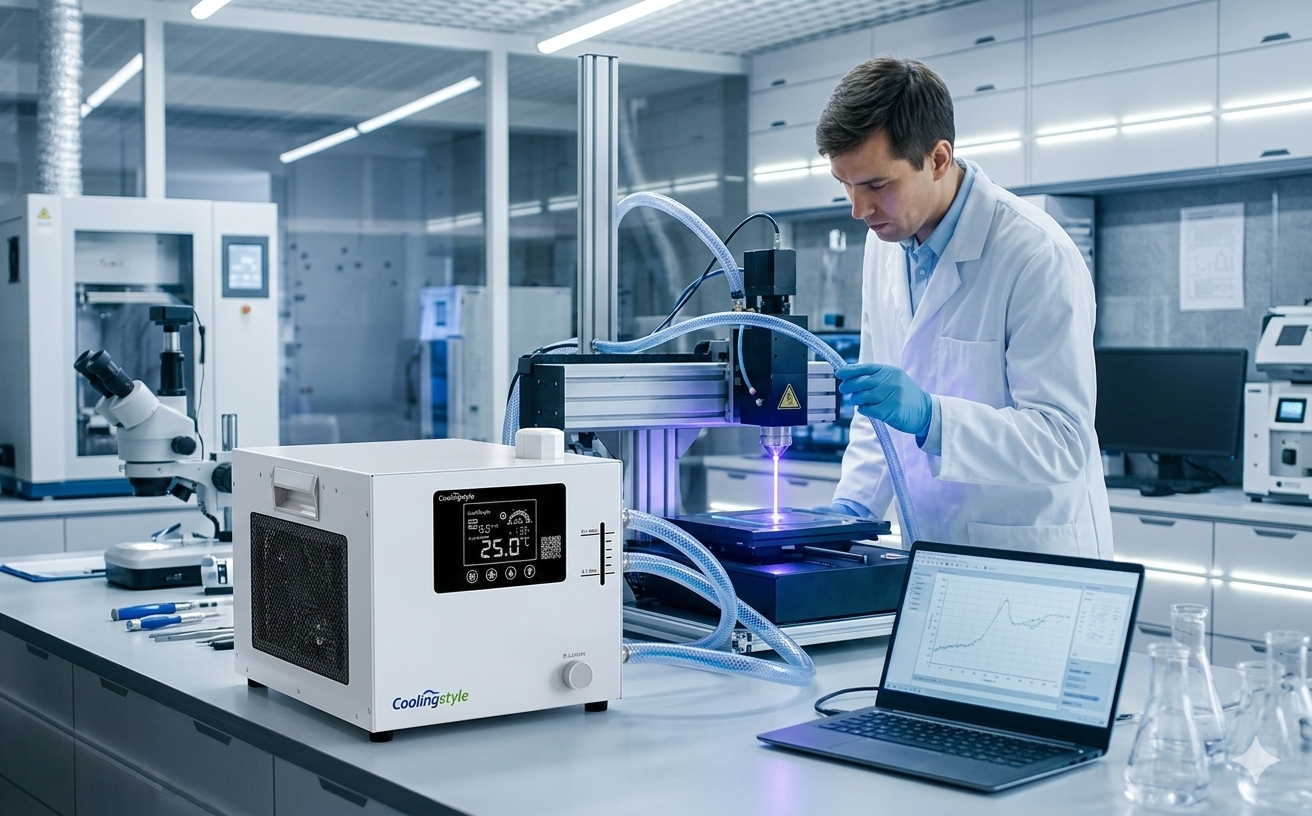
Temperature instability in medical devices can directly affect imaging clarity, laser accuracy, and electronic performance. Por lo tanto, high-precision cooling systems play a critical role in healthcare environments.
Why Medical Equipment Requires Dedicated Cooling Systems
Medical devices operate under strict regulatory and safety standards. Heat generated during operation can compromise:
- Imaging resolution in MRI and CT systems
- Laser precision in surgical equipment
- Electronic stability in diagnostic devices
- Patient safety and system reliability
A professional medical equipment cooling system ensures consistent thermal management and uninterrupted performance.
Common Medical Devices Requiring Cooling Systems
- resonancia magnética (Magnetic Resonance Imaging) sistemas
- Escáneres CT
- Medical laser treatment devices
- X-ray equipment
- Laboratory diagnostic analyzers
- PCR and thermal cycling systems
Each device requires customized cooling capacity and precise temperature regulation depending on operational demands.
Key Features of a Medical Equipment Cooling System
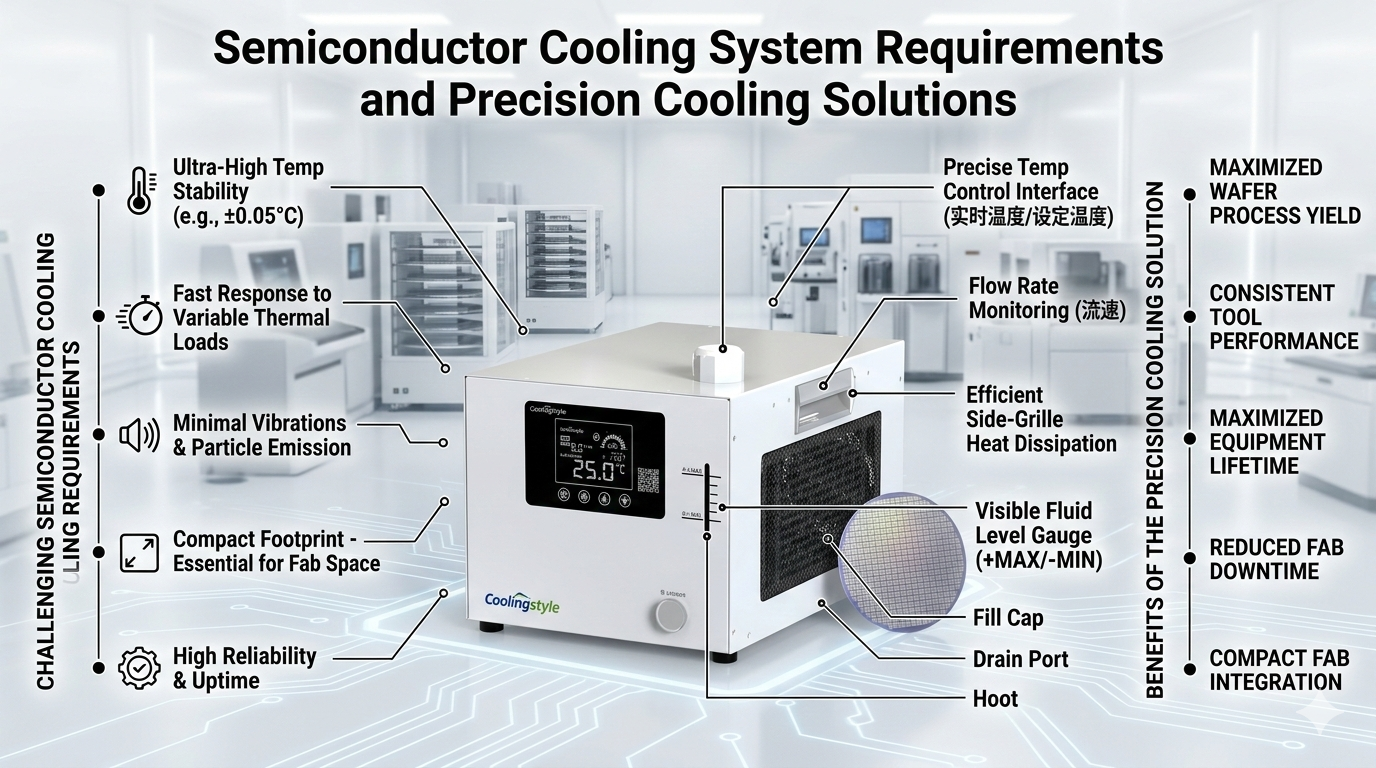
Estabilidad a altas temperaturas
Advanced PID temperature control maintains stable cooling performance, often within ±0.1℃ for sensitive medical systems.
Operación de bajo ruido
Quiet performance is essential in hospitals and laboratory environments.
Continuous Operation Reliability
Medical systems often operate for extended periods and require highly reliable cooling units.
Compact and Integrated Design
Cooling systems must integrate seamlessly into medical equipment cabinets or clinical facilities.
Safety Protection Mechanisms
Includes over-temperature alarms, flow monitoring, and automatic shutdown protection.
Challenges in Medical Cooling Applications
Medical cooling systems must meet strict operational requirements, incluido:
- Stable performance in climate-controlled environments
- Minimal vibration to avoid imaging interference
- Compliance with safety and hygiene standards
- Energy-efficient operation to reduce facility costs
Proper thermal management directly impacts device longevity and patient outcomes.
Types of Cooling Systems Used in Medical Equipment
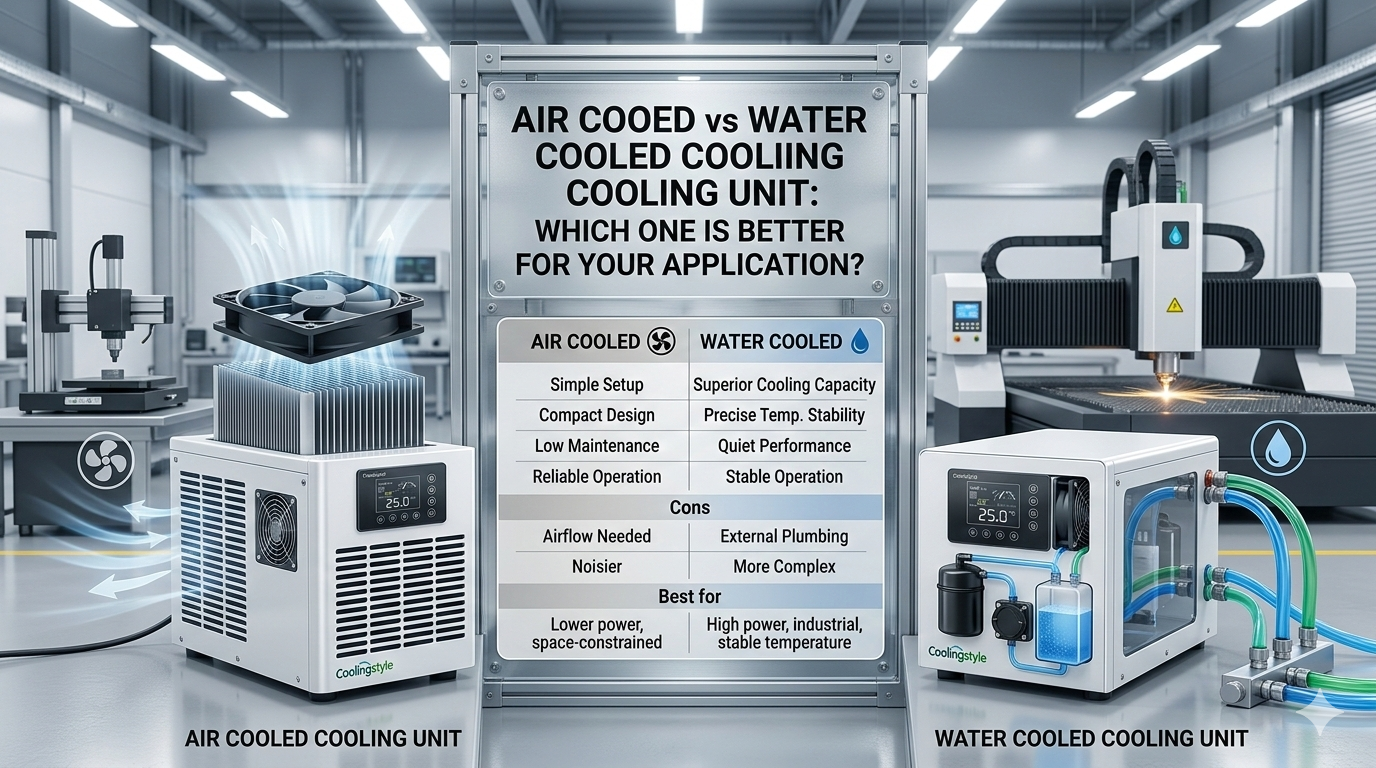
Closed-Loop Water Cooling Systems
Prevent contamination and ensure clean coolant circulation.
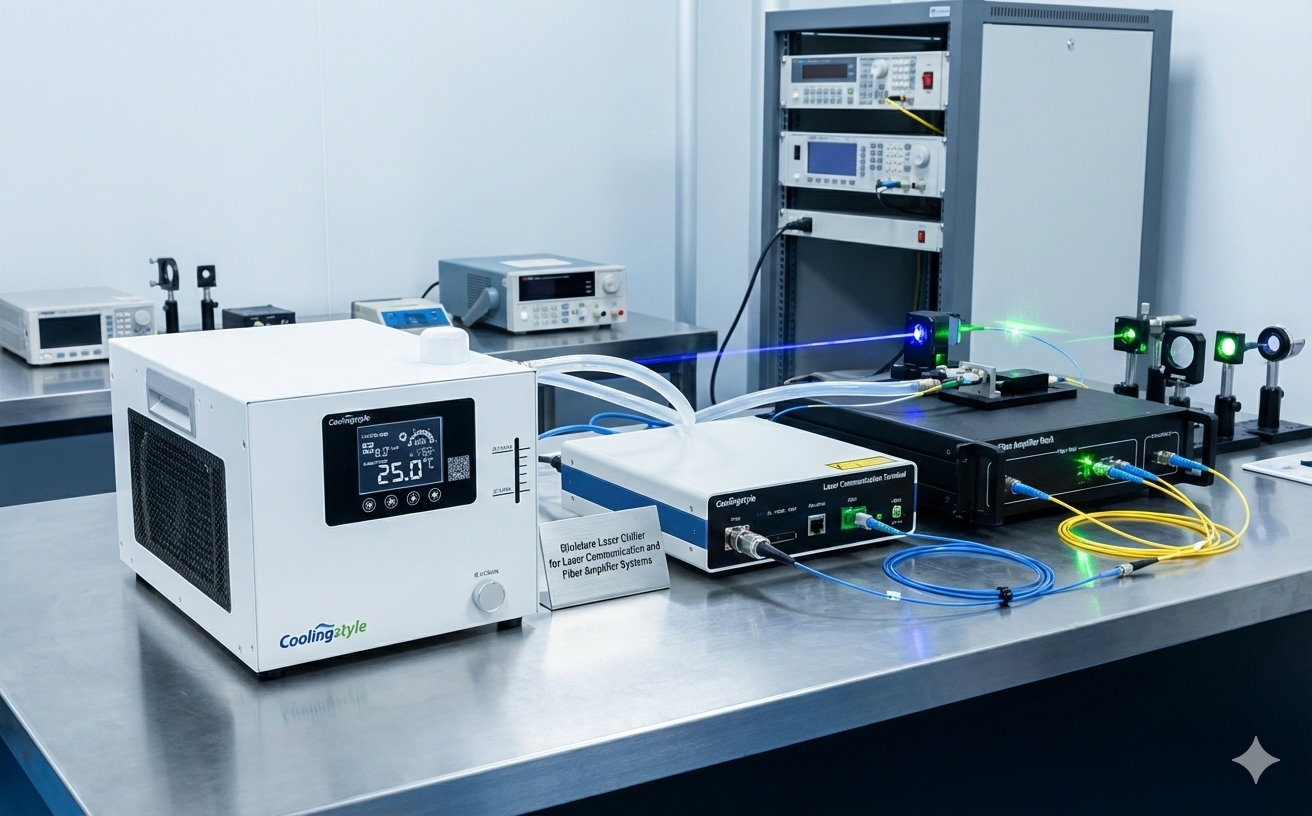
Compact Recirculating Chillers
Designed for integration into medical laser systems and laboratory equipment.
High-Capacity Cooling Units
Used in imaging systems that generate significant heat loads.
Coolingstyle Medical Equipment Cooling Solutions
Estilo de enfriamiento provides high-precision medical equipment cooling systems engineered for demanding healthcare applications.
Our solutions offer:
- Precision temperature control
- Low vibration and quiet operation
- Diseño modular compacto
- High reliability for continuous use
- Custom OEM solutions for medical manufacturers
Coolingstyle cooling systems support medical device manufacturers worldwide in delivering safe and high-performance healthcare technology.
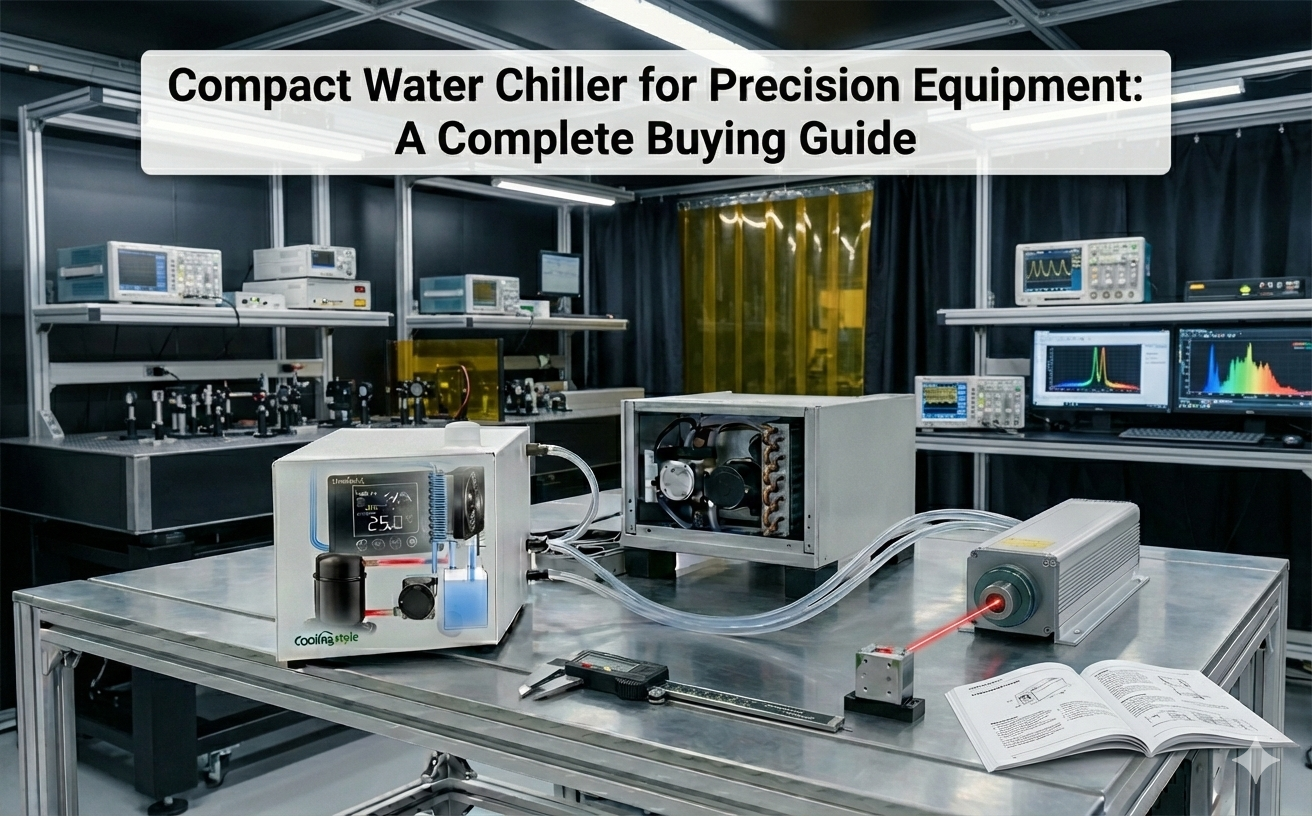
How to Choose the Right Medical Equipment Cooling System
When selecting a cooling system for medical applications, consider:
- Total heat output of the device
- Required temperature precision
- Noise level requirements
- Limitaciones de espacio de instalación
- Regulatory and safety standards
- Continuous operation capability
Accurate system selection ensures operational safety and long-term performance stability.
Conclusión
A high-quality medical equipment cooling system is essential for maintaining the reliability, seguridad, and precision of modern healthcare devices. Effective thermal management protects sensitive components and ensures optimal device functionality.
Coolingstyle delivers advanced cooling solutions designed to meet the evolving needs of medical technology manufacturers and healthcare facilities worldwide.