Questa guida alle domande frequenti risponde alle domande più comuni su unità di raffreddamento, aiutare gli ingegneri, Produttori OEM, e gli integratori di sistema comprendono meglio come funzionano le unità di raffreddamento, come selezionarli, e come vengono applicati nelle industrie moderne.
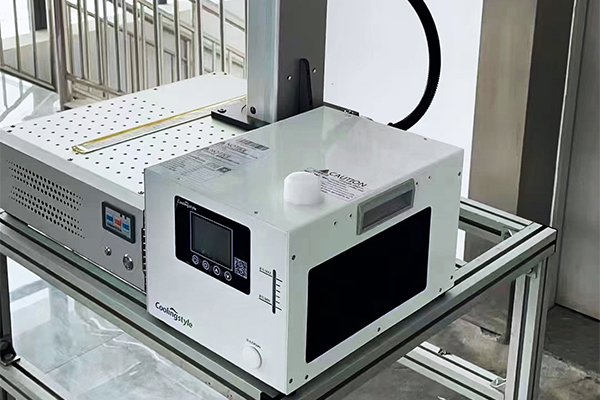
1. Cos'è un'unità di raffreddamento?
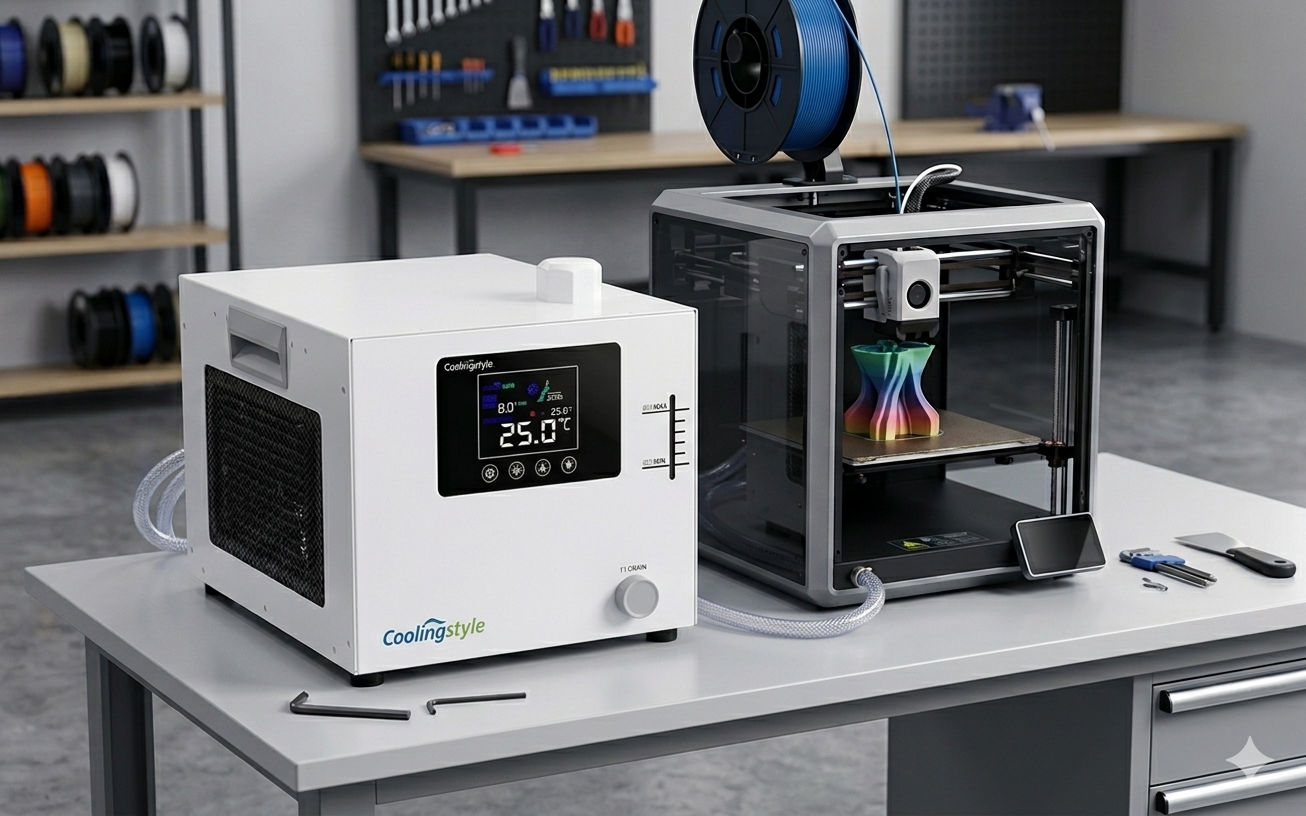
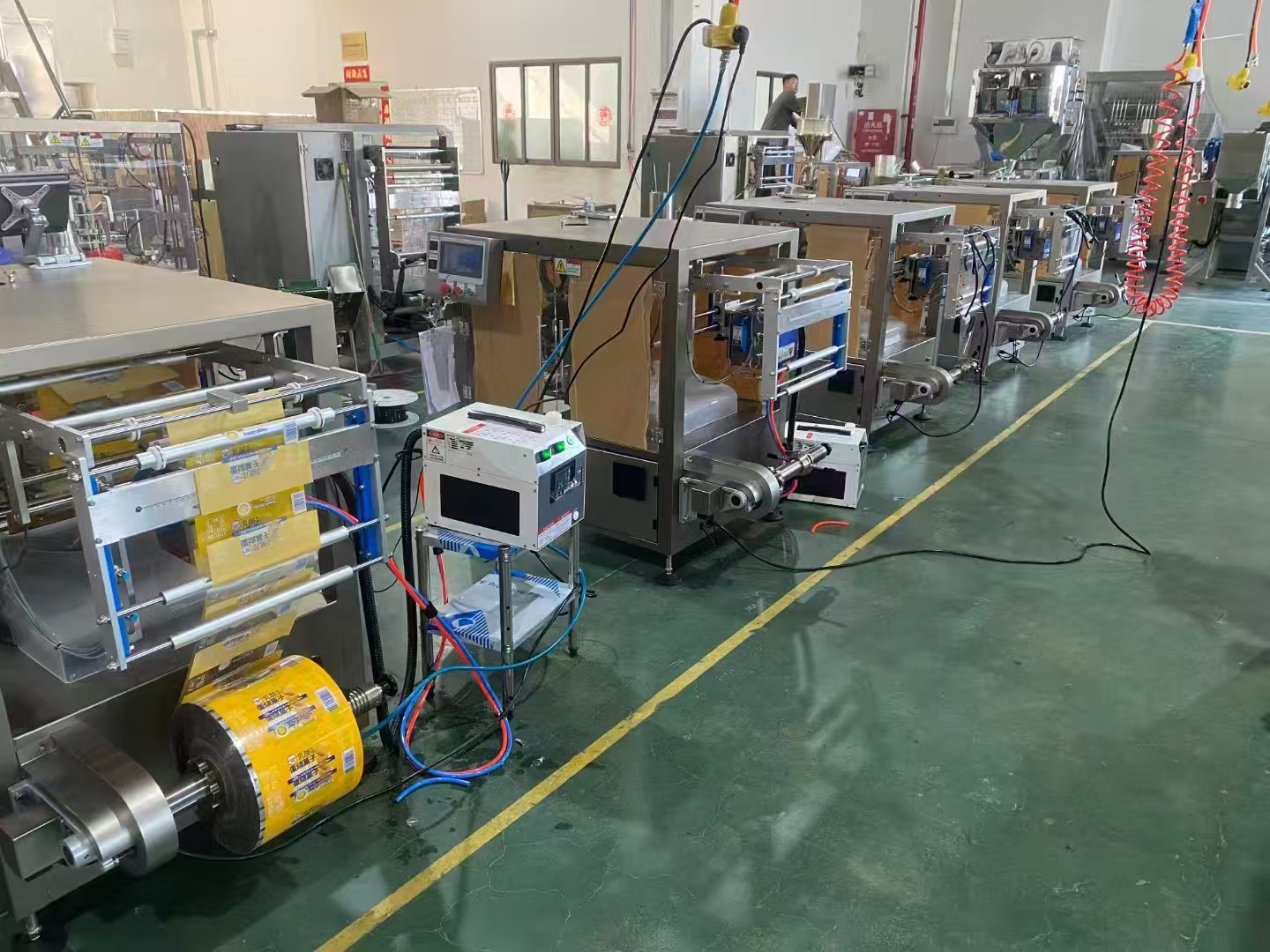
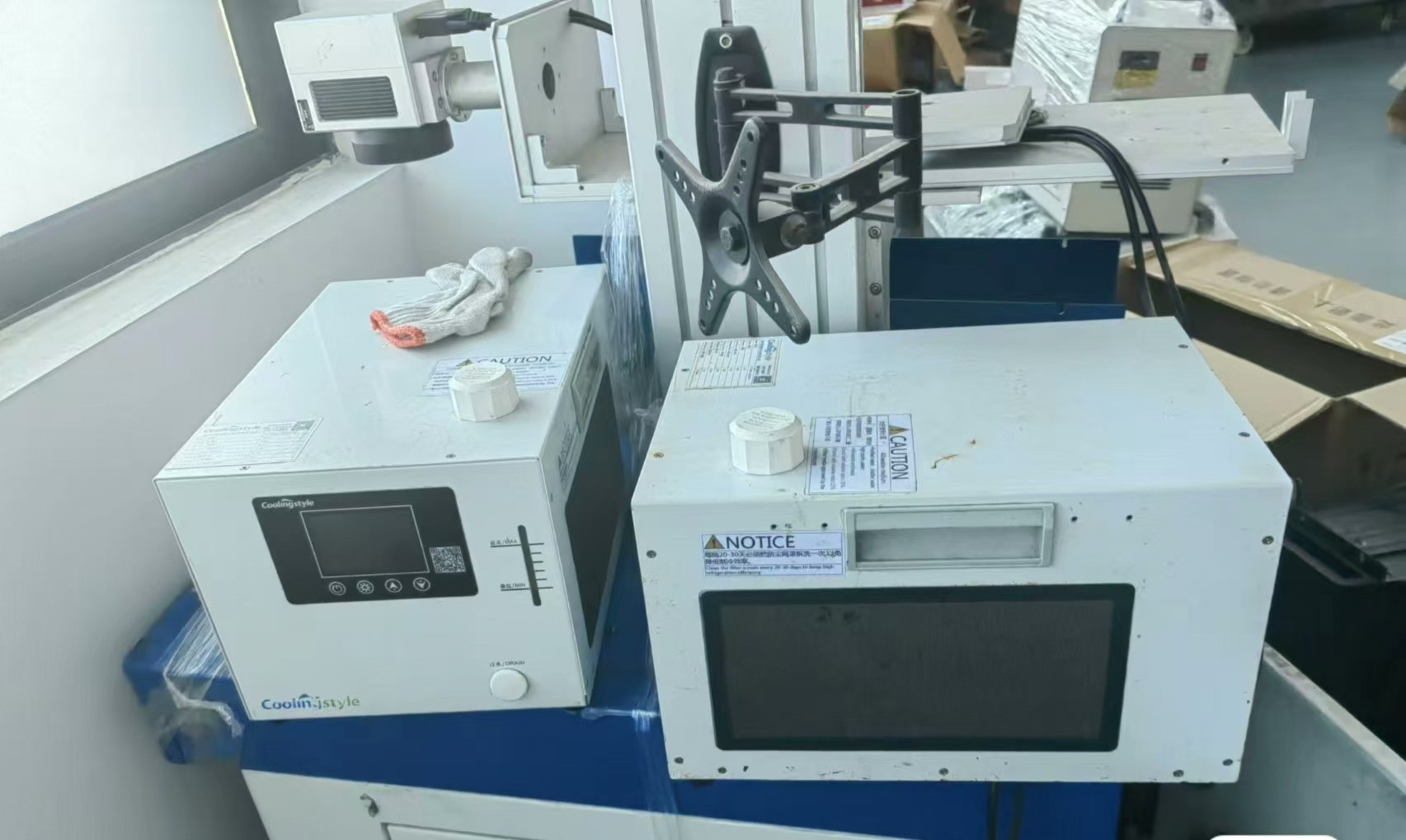
UN unità di raffreddamento è un compatto, sistema di gestione termica autonomo progettato per rimuovere il calore da apparecchiature o componenti specifici. A differenza dei refrigeratori centralizzati, le unità di raffreddamento forniscono un controllo della temperatura localizzato e preciso.
2. Qual è la differenza tra un'unità di raffreddamento e un refrigeratore?
Le unità di raffreddamento sono generalmente più piccole, più preciso, e progettato per l'integrazione diretta nelle apparecchiature, mentre i refrigeratori sono sistemi più grandi destinati al raffreddamento centralizzato di più macchine o strutture.
3. Quali applicazioni richiedono un'unità di raffreddamento?
- Sistemi laser e apparecchiature ottiche
- Strumenti per la produzione di semiconduttori
- Dispositivi medici e da laboratorio
- Elettronica di potenza e inverter
- Attrezzature industriali OEM
4. Come scelgo il giusto condizionatore??
I fattori chiave includono il carico termico, intervallo di temperatura, precisione richiesta, spazio di installazione, ambiente operativo, e requisiti di integrazione. Coolingstyle fornisce una guida personalizzata per la selezione dell'unità di raffreddamento ottimale.
5. Quale precisione di temperatura può raggiungere un'unità di raffreddamento?
Le unità di raffreddamento di alta qualità possono ottenere un controllo preciso della temperatura adatto ad applicazioni sensibili. Le unità di raffreddamento Coolingstyle sono progettate per supportare prestazioni termiche ad alta stabilità per ambienti esigenti.
6. Le unità di raffreddamento sono personalizzabili?
sì. Molte applicazioni richiedono soluzioni di raffreddamento personalizzate. Coolingstyle è specializzato nella progettazione di unità di raffreddamento personalizzate su misura per layout di sistema specifici, carichi termici, e requisiti di prestazione.
7. Qual è la durata tipica di un'unità di raffreddamento?
Con un design adeguato, installazione, e manutenzione, un'unità di raffreddamento può funzionare in modo affidabile per molti anni in ambienti industriali.
8. Le unità di raffreddamento sono efficienti dal punto di vista energetico?
Le moderne unità di raffreddamento sono ottimizzate per l'efficienza energetica adattando la capacità di raffreddamento alla domanda termica effettiva, riducendo il consumo energetico non necessario.
9. Un'unità di raffreddamento può funzionare continuamente?
sì. Le unità di raffreddamento di livello industriale sono progettate per il funzionamento continuo 24/7 operazione, a condizione che siano adeguatamente specificati e mantenuti.
10. Quale manutenzione è necessaria per un'unità di raffreddamento?
La manutenzione ordinaria include in genere il controllo della qualità del liquido refrigerante, filtri di pulizia, ispezionando le connessioni, e monitorare le prestazioni del sistema.
11. Sono unità di raffreddamento adatte ad ambienti industriali difficili?
Le unità di raffreddamento possono essere progettate con componenti di livello industriale e caratteristiche di protezione per funzionare in modo affidabile in ambienti difficili.
12. È possibile integrare le unità di raffreddamento con i sistemi di controllo?
sì. Le unità di raffreddamento possono supportare l'integrazione con i PLC, controllori industriali, e sistemi di monitoraggio per la gestione della temperatura in tempo reale.
13. In che modo Coolingstyle supporta i progetti di unità di raffreddamento?
Coolingstyle fornisce consulenza ingegneristica, progettazione personalizzata, produzione, e supporto tecnico a lungo termine per le applicazioni delle unità di raffreddamento.
14. Quali settori utilizzano comunemente le unità di raffreddamento Coolingstyle?
Le industrie includono la lavorazione laser, semiconduttori, attrezzature mediche, laboratori di ricerca, elettronica di potenza, e automazione industriale.
Conclusione
Questa risorsa di domande frequenti fornisce una panoramica completa di unità di raffreddamento e le loro applicazioni. Per esigenze di raffreddamento avanzate, Coolingstyle offre soluzioni di unità di raffreddamento progettate con precisione su misura per le moderne esigenze industriali.