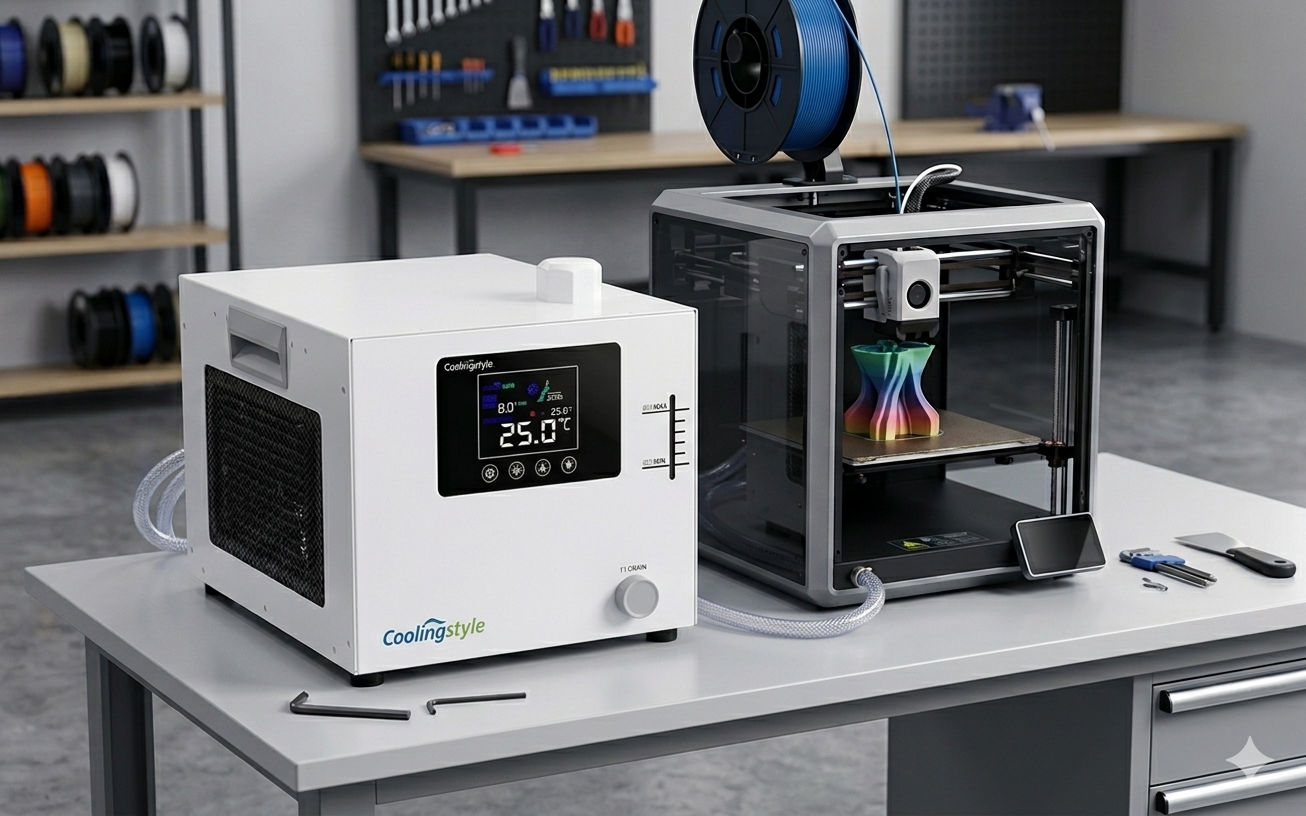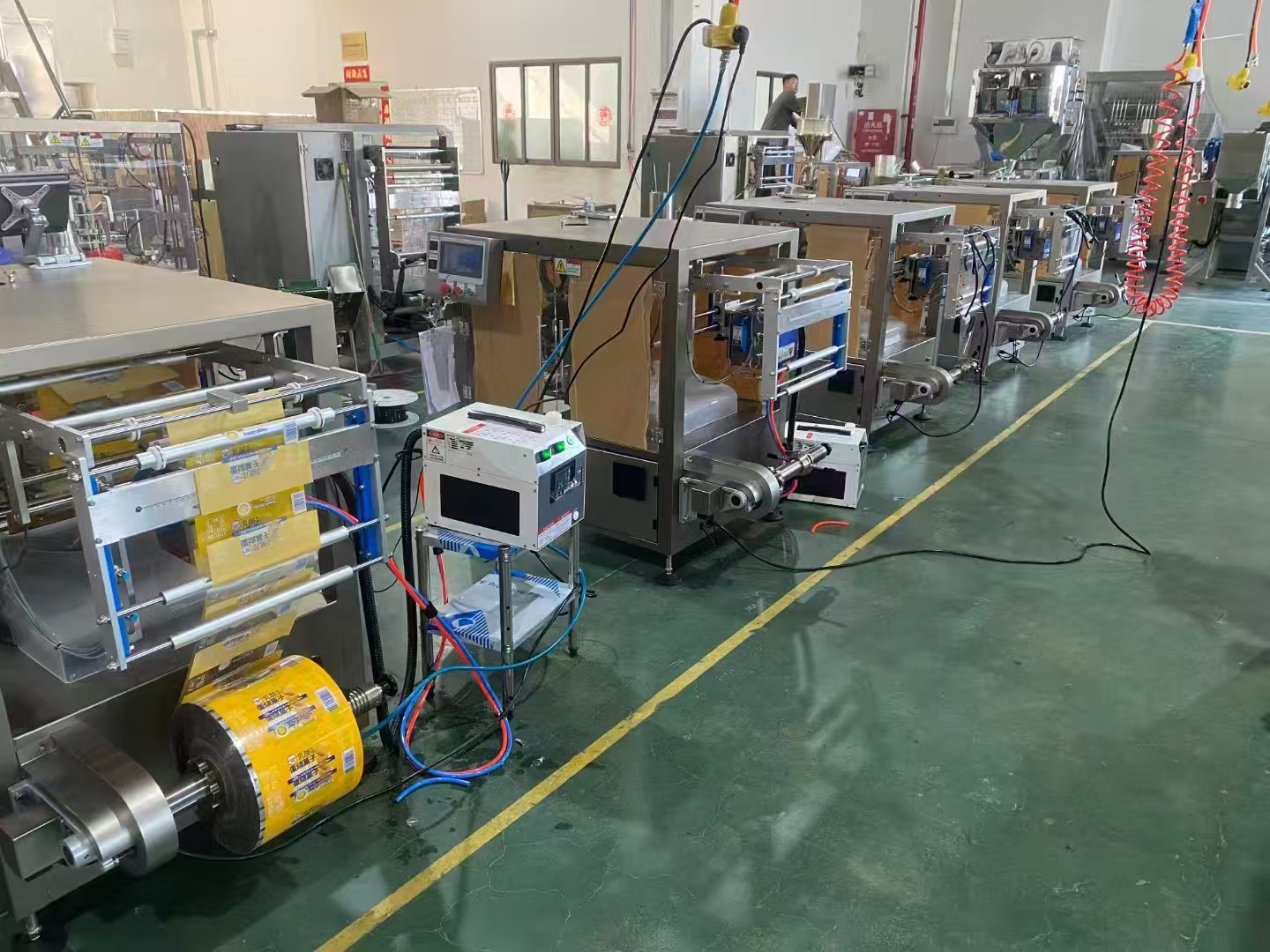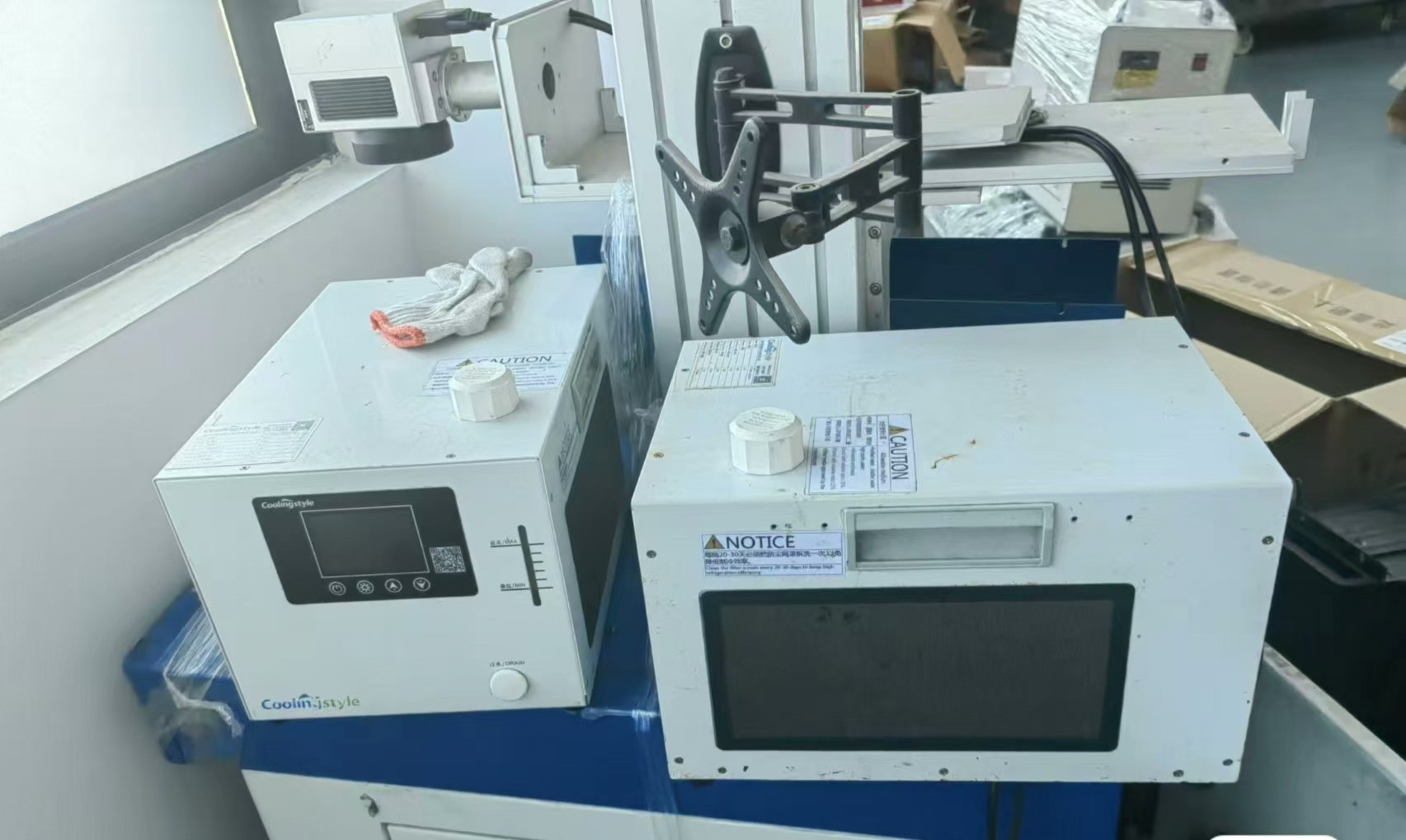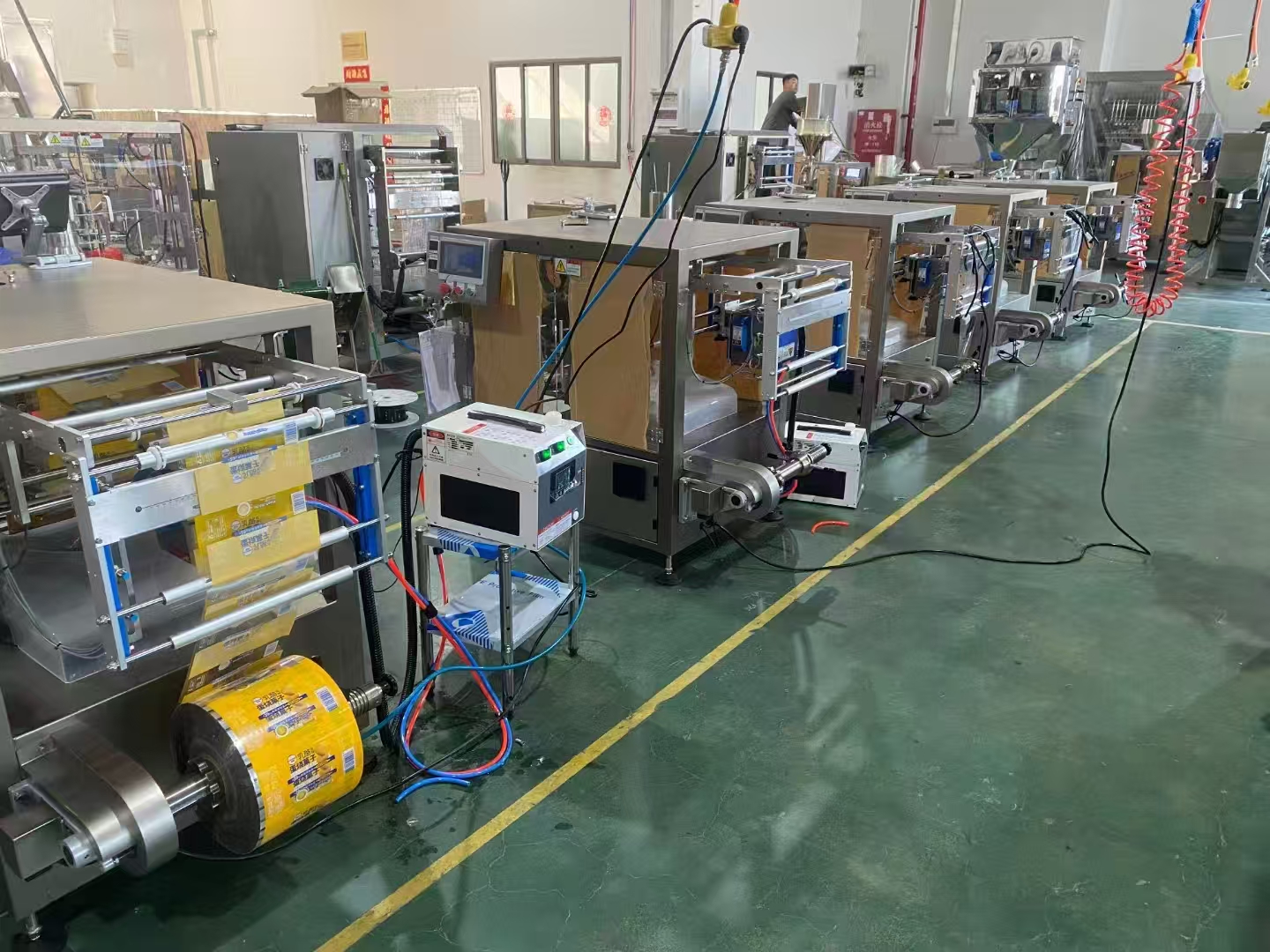
Gli strumenti analitici di laboratorio sono strumenti essenziali nella ricerca scientifica, controllo di qualità, e test industriali. Questi strumenti spesso funzionano con componenti altamente sensibili, compresi i rilevatori, fonti di luce, ed elettronica di precisione. Una gestione termica stabile è fondamentale per garantire la precisione della misurazione, ripetibilità, e affidabilità a lungo termine. Una ad alte prestazioni unità di raffreddamento svolge un ruolo fondamentale nel mantenimento delle condizioni operative ottimali.
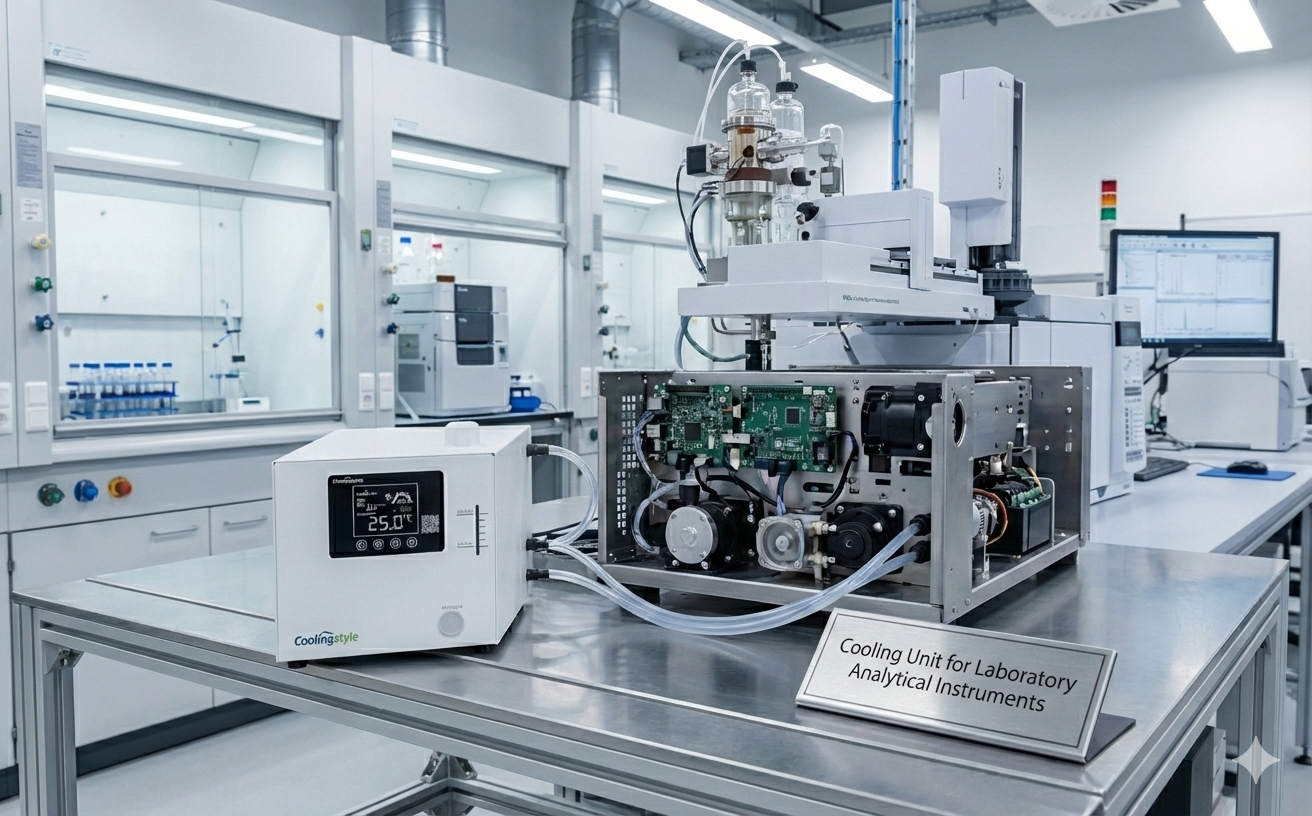
Coolingstyle fornisce unità di raffreddamento progettate specificatamente per strumenti analitici di laboratorio, supportando prestazioni costanti in ambienti industriali e di ricerca impegnativi.
1. Sfide termiche negli strumenti analitici di laboratorio
Gli strumenti analitici generano calore durante il funzionamento continuo, che possono influenzare negativamente la precisione della misurazione se non adeguatamente controllati.
- Calore dai rilevatori, sensori, e fonti di luce
- La deriva termica influisce sulla stabilità della misurazione
- Test di lunga durata che richiedono un raffreddamento continuo
- Sensibilità alle fluttuazioni di temperatura
Un dedicato unità di raffreddamento garantisce condizioni termiche stabili e risultati analitici affidabili.
2. Applicazioni delle unità di raffreddamento negli strumenti analitici
2.1 Sistemi di spettroscopia
Strumenti come UV-Vis, fluorescenza, i sistemi di spettroscopia Raman si basano sulla stabilità della temperatura per l'accuratezza del segnale.
2.2 Attrezzatura per cromatografia
I sistemi di cromatografia gassosa e liquida richiedono un controllo termico preciso per mantenere le prestazioni di separazione.
2.3 Spettrometria di massa
Le unità di raffreddamento aiutano a stabilizzare le sorgenti di ioni e i rilevatori, miglioramento della ripetibilità della misurazione.
2.4 Analisi ambientali e chimiche
Gli strumenti analitici utilizzati per il monitoraggio ambientale e i test chimici beneficiano di prestazioni di raffreddamento costanti.
3. Requisiti prestazionali per le unità di raffreddamento da laboratorio
- Stabilità alle alte temperature con fluttuazioni minime
- Basse vibrazioni e funzionamento silenzioso
- Dimensioni compatte per l'integrazione dello strumento
- Elevata affidabilità per l'uso continuo in laboratorio
- Compatibilità con ambienti puliti e controllati
Le unità di raffreddamento Coolingstyle sono progettate per soddisfare questi severi requisiti di laboratorio.
4. Vantaggi delle unità di raffreddamento Coolingstyle
- Controllo termico preciso per risultati analitici accurati
- Design compatto e salvaspazio per l'integrazione dello strumento
- Funzionamento silenzioso adatto per ambienti di laboratorio
- Soluzioni di raffreddamento personalizzate per diverse piattaforme analitiche
- Stabilità operativa a lungo termine per la ricerca e l'uso industriale
5. Progettazione ingegneristica per il raffreddamento di strumenti analitici
5.1 Controllo intelligente della temperatura
Le unità di raffreddamento Coolingstyle utilizzano sistemi di controllo avanzati per mantenere temperature stabili in condizioni di carico termico variabile.
5.2 Integrazione con strumenti di laboratorio
Le unità di raffreddamento sono progettate per una perfetta integrazione con apparecchiature analitiche ed elettronica di controllo.
5.3 Monitoraggio e protezione
Le funzionalità di monitoraggio integrate supportano la protezione del sistema e la manutenzione preventiva.
6. Tendenze future nel raffreddamento degli strumenti da laboratorio
- Strumenti analitici a sensibilità più elevata che richiedono un controllo termico più rigoroso
- Design degli strumenti compatti con maggiore densità termica
- Automazione e funzionamento continuo nei flussi di lavoro di laboratorio
Conclusione
Un affidabile unità di raffreddamento è essenziale per garantire la precisione, stabilità, e ripetibilità negli strumenti analitici di laboratorio. Coolingstyle offre soluzioni di raffreddamento avanzate che supportano le esigenze in evoluzione dei moderni laboratori e sistemi analitici.