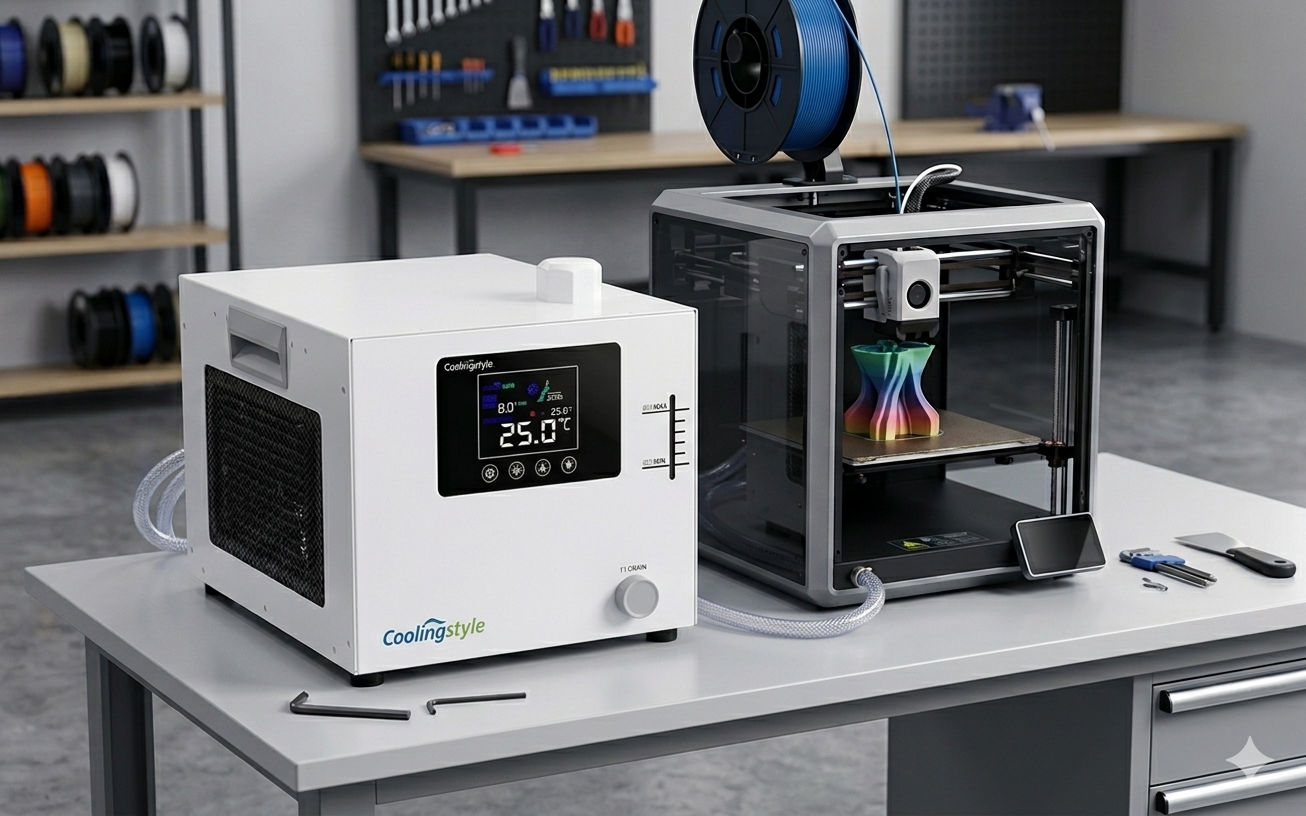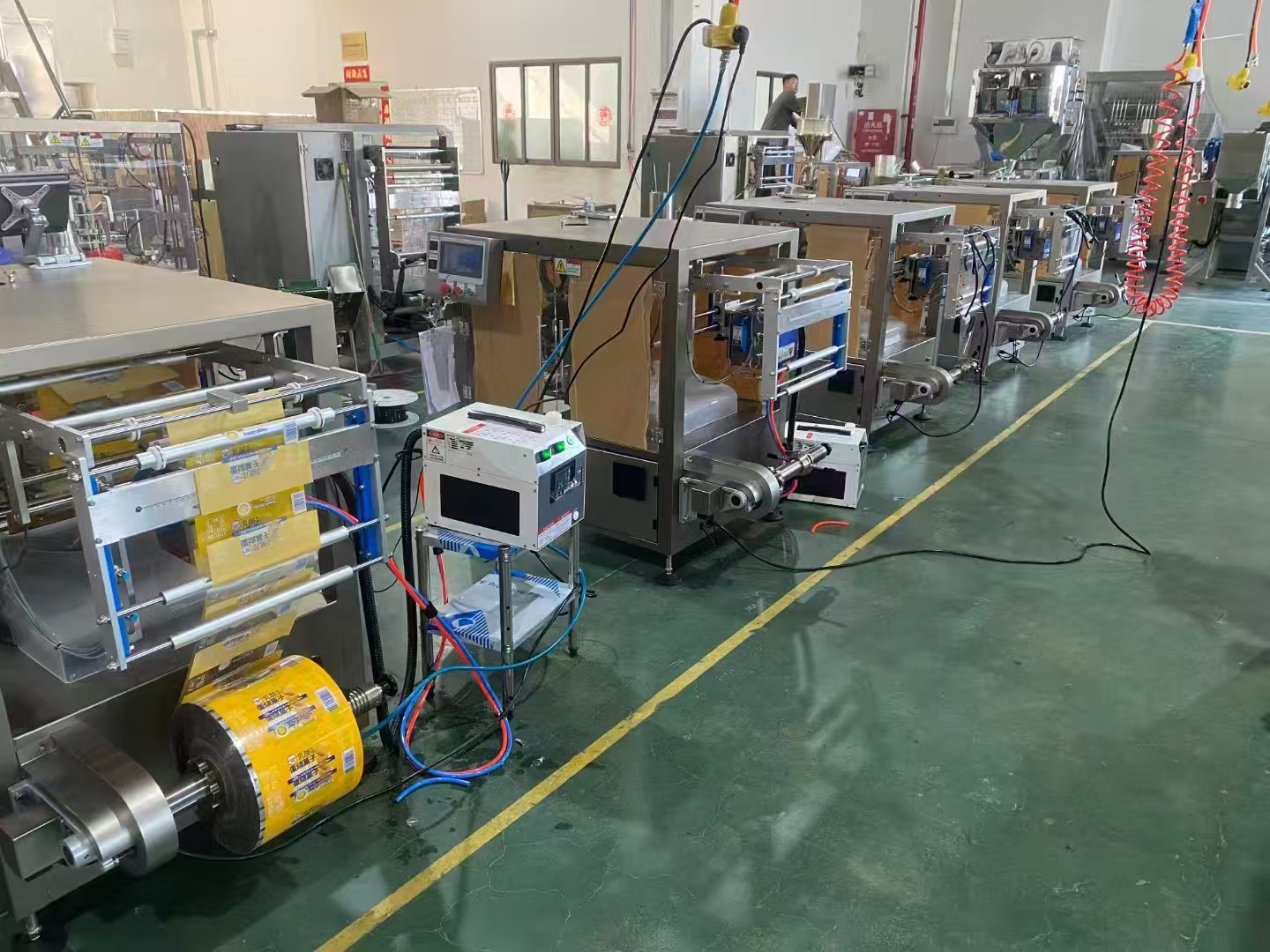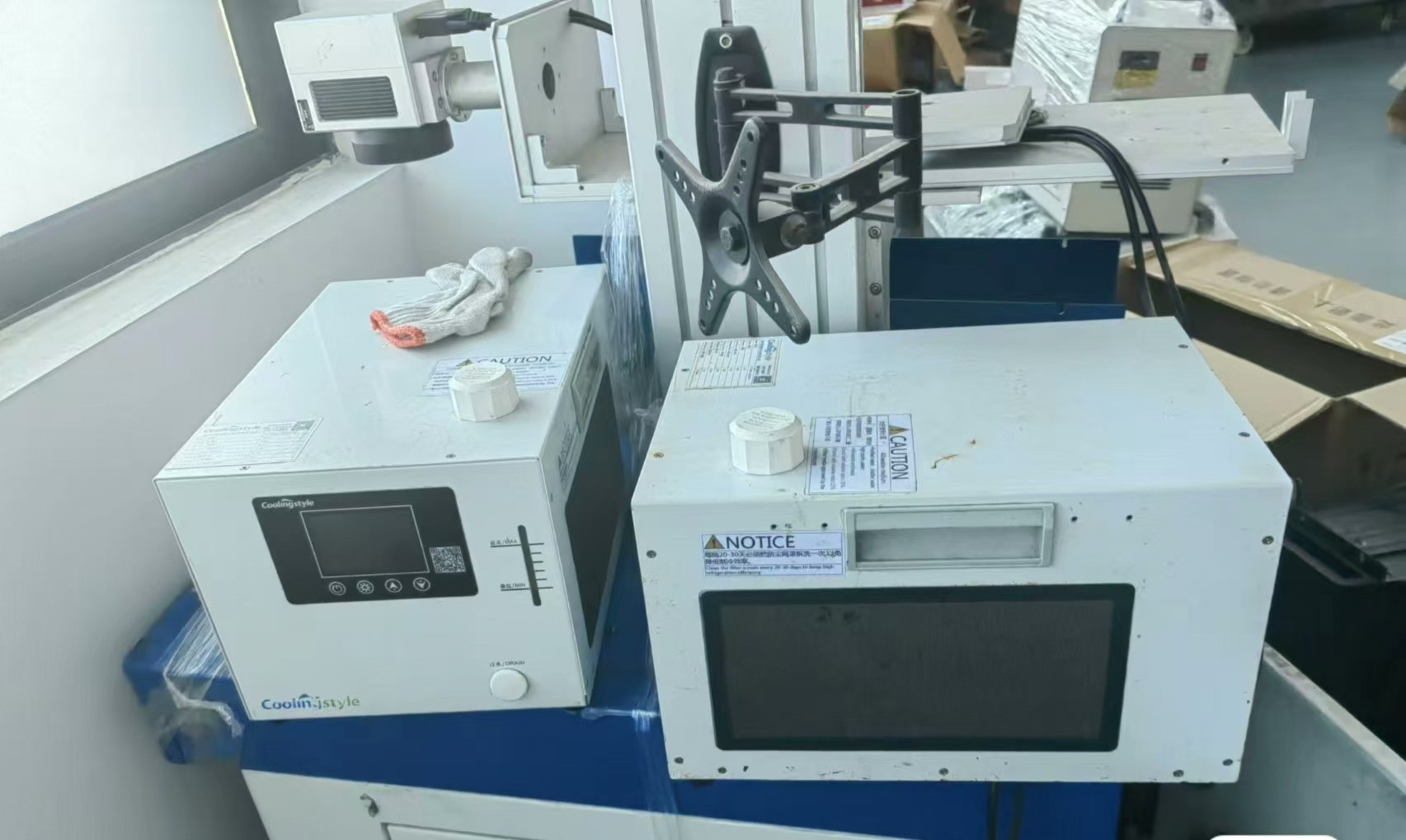
Definizione: UN Raffreddatore laser in miniatura è un refrigeratore d'acqua industriale compatto progettato specificamente per i laser a fibra, Laser UV, e sistemi laser a semiconduttore. La sua funzione principale è fornire un controllo della temperatura ad alta stabilità, prevenire il degrado della potenza del laser, deriva della lunghezza d'onda, e durata utile ridotta causata dal surriscaldamento. È ampiamente utilizzato nella lavorazione laser, apparecchiature laser mediche, e strumenti di laboratorio.

Data di pubblicazione: (Generato automaticamente da WordPress al momento della pubblicazione)
Funzioni principali & Problemi del settore risolti
- ✅ Risolve i problemi di dissipazione dell'elevata densità di calore nei sistemi laser.
- ✅ Previene l'instabilità della potenza del laser e della lunghezza d'onda causata dalle fluttuazioni di temperatura.
- ✅ Estende la durata della sorgente laser riducendo lo stress termico.
- ✅ Sostituisce i metodi di raffreddamento ingombranti e inefficienti con uno compatto, soluzione di risparmio energetico.
- ✅ Soddisfa le esigenze di controllo della temperatura ad altissima precisione delle moderne apparecchiature laser.
Principio di funzionamento (Passo dopo passo)
- Fare un passo 1: L'acqua di raffreddamento assorbe il calore dal dispositivo laser e lo trasferisce al refrigerante attraverso l'evaporatore.
- Fare un passo 2: Il vapore refrigerante viene compresso dal compressore ad alta pressione, gas ad alta temperatura.
- Fare un passo 3: Il refrigerante caldo rilascia calore all'aria circostante o al sistema idrico esterno attraverso il condensatore e si condensa in liquido.
- Fare un passo 4: Il refrigerante liquido passa attraverso la valvola di espansione, riducendo la pressione e ritornando all'evaporatore per completare il ciclo. Sensori e controller mantengono il controllo della temperatura a circuito chiuso.
Specifiche tecniche principali
| Parametro | Gamma tipica / Descrizione |
|---|---|
| Capacità di raffreddamento | 300 W- 3000 W |
| Precisione del controllo della temperatura | ±0,1°C – ±0,5°C |
| Potenza laser compatibile | 50 W- 3000 W (a seconda del carico) |
| Alimentazione elettrica | 110 V / 220 V Facoltativo |
| Intervallo di temperatura operativa | 5°C – 35°C (acqua in uscita) |
| Metodo di raffreddamento | Raffreddato ad aria / Piccolo raffreddato ad acqua |
| Sistema di controllo | Microprocessore / PLC / Touchscreen |
| Modalità operativa | 24/7 Funzionamento continuo |
Applicazioni tipiche
- Macchine per marcatura laser fibra
- Sistemi di taglio e foratura laser UV
- Piattaforme di saldatura e test laser per semiconduttori
- Apparecchiature laser mediche ed estetiche
- Strumenti laser da laboratorio
- Sistemi di stampa laser 3D compatti
Confronto tecnico: Chiller laser miniaturizzato rispetto ai metodi di raffreddamento tradizionali
| Elemento | Raffreddatore laser in miniatura | Raffreddamento tradizionale con ventola |
|---|---|---|
| Precisione del controllo della temperatura | ±0,1°C | ±3–5°C |
| Stabilità del laser | Alto | Medio |
| Supporto laser ad alta potenza | sì | NO |
| Funzionamento continuo | 24/7 Stabile | Rischio di surriscaldamento |
| Durata della vita del laser | Significativamente esteso | Accorciato dal calore |
| Costo di manutenzione | Basso (A lungo termine) | Alto |
Linee guida per la selezione
- Abbinamento della capacità di raffreddamento: Selezionare la capacità di raffreddamento in base al carico termico effettivo del laser con un margine di sicurezza del 20–30%..
- Requisito di precisione della temperatura: I laser sensibili alla lunghezza d'onda richiedono una precisione ≤±0,2°C.
- Portata & Interfaccia: Confermare la portata richiesta (L/min) e dimensione del tubo.
- Ambiente ambientale: Garantire una ventilazione sufficiente per i modelli raffreddati ad aria.
- Funzioni di protezione: Scegli i modelli con acqua bassa, sovraccarico, e protezione dalle alte temperature.
- Esigenze di personalizzazione: Voltaggio, dimensioni, protocollo di controllo, e i connettori possono essere personalizzati.
Domande frequenti (FAQ)
Q1: Quali tipi di laser sono adatti per un refrigeratore laser in miniatura?
UN: Laser in fibra, Laser UV, laser a semiconduttore, e alcuni laser a CO₂ a seconda delle esigenze di raffreddamento.
Q2: Quale stabilità della temperatura può essere raggiunta?
UN: I modelli di fascia alta raggiungono ±0,1°C, modelli standard ±0,2°C–±0,5°C.
Q3: Può funzionare continuamente 24 ore al giorno?
UN: sì. Le unità di livello industriale sono progettate per 24/7 funzionamento senza sosta.
Q4: Come si effettua la manutenzione di un refrigeratore laser in miniatura?
UN: Controllare regolarmente la qualità del liquido refrigerante, pulire il condensatore, sostituire i filtri, ed eseguire ispezioni annuali.
Q5: È disponibile la personalizzazione?
UN: sì. Voltaggio, misurare, interfacce, e la comunicazione di controllo può essere personalizzata.
Conclusione
Il refrigeratore laser in miniatura è una soluzione di raffreddamento essenziale per i sistemi laser di precisione. Rispetto al tradizionale raffreddamento ad aria o ai refrigeratori di grandi dimensioni, offre una stabilità della temperatura superiore, struttura compatta, funzionamento continuo, e minori costi di manutenzione a lungo termine. È particolarmente adatto alla lavorazione laser, apparecchiature laser mediche, e strumenti laser da laboratorio.