As 3D printing technology continues to evolve in 2026, the demand for higher precision, faster production, and better reliability has never been greater. While most users focus on printers and materials, one critical component often overlooked is the 3D打印机冷水机.
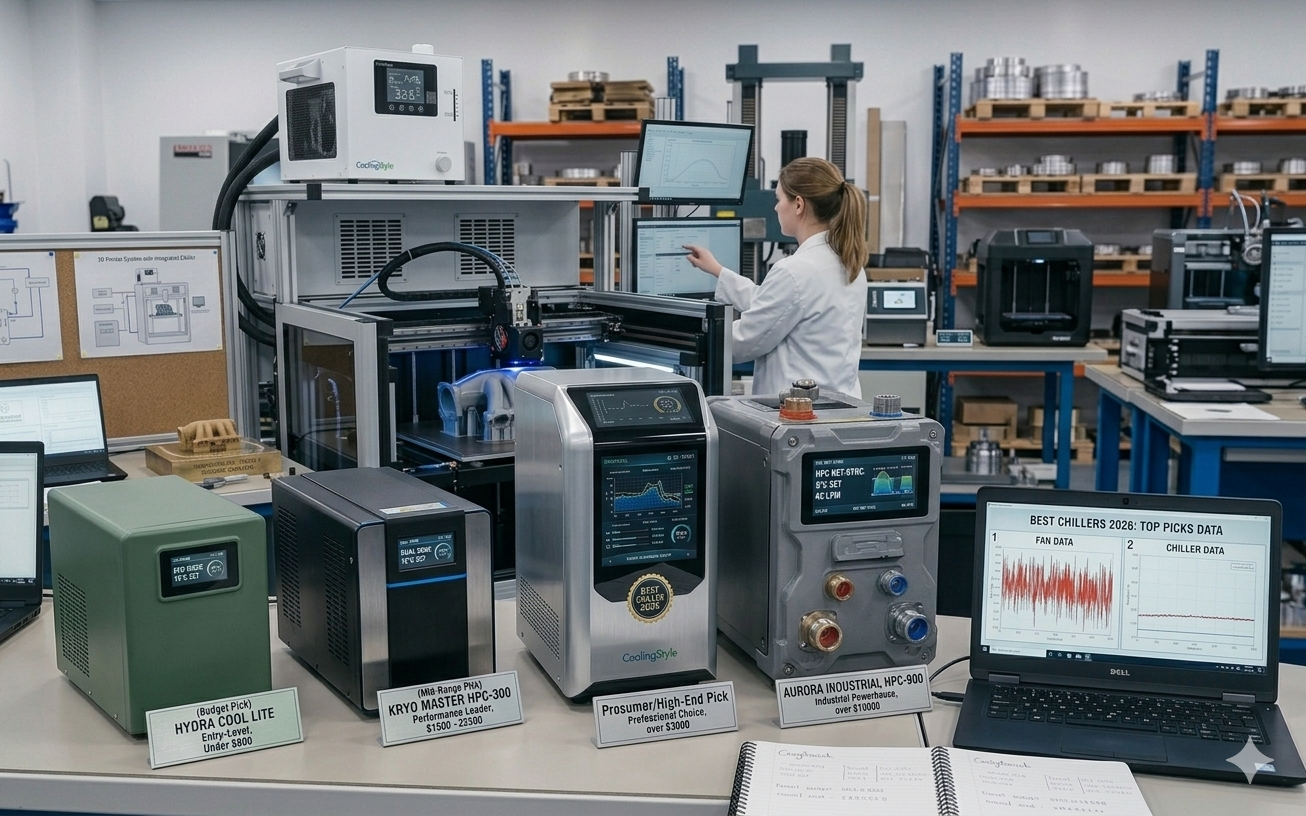
A high-quality chiller ensures stable temperature control, which directly impacts print accuracy, layer adhesion, 以及设备的使用寿命. Whether you are a hobbyist, small business owner, or industrial manufacturer, investing in the right cooling system can dramatically improve your results.
In this guide, we explore the best 3D printer chillers in 2026, covering options for every budget—from entry-level units to high-precision professional systems. We’ll also show how 冷却风格 is redefining the future of precision cooling.
Why 3D Printer Chillers Are Essential
Modern 3D printers generate significant heat during operation, especially in high-speed or industrial environments. Without proper cooling:
- Print quality becomes inconsistent
- Thermal expansion reduces accuracy
- Components wear out faster
- Print failures increase
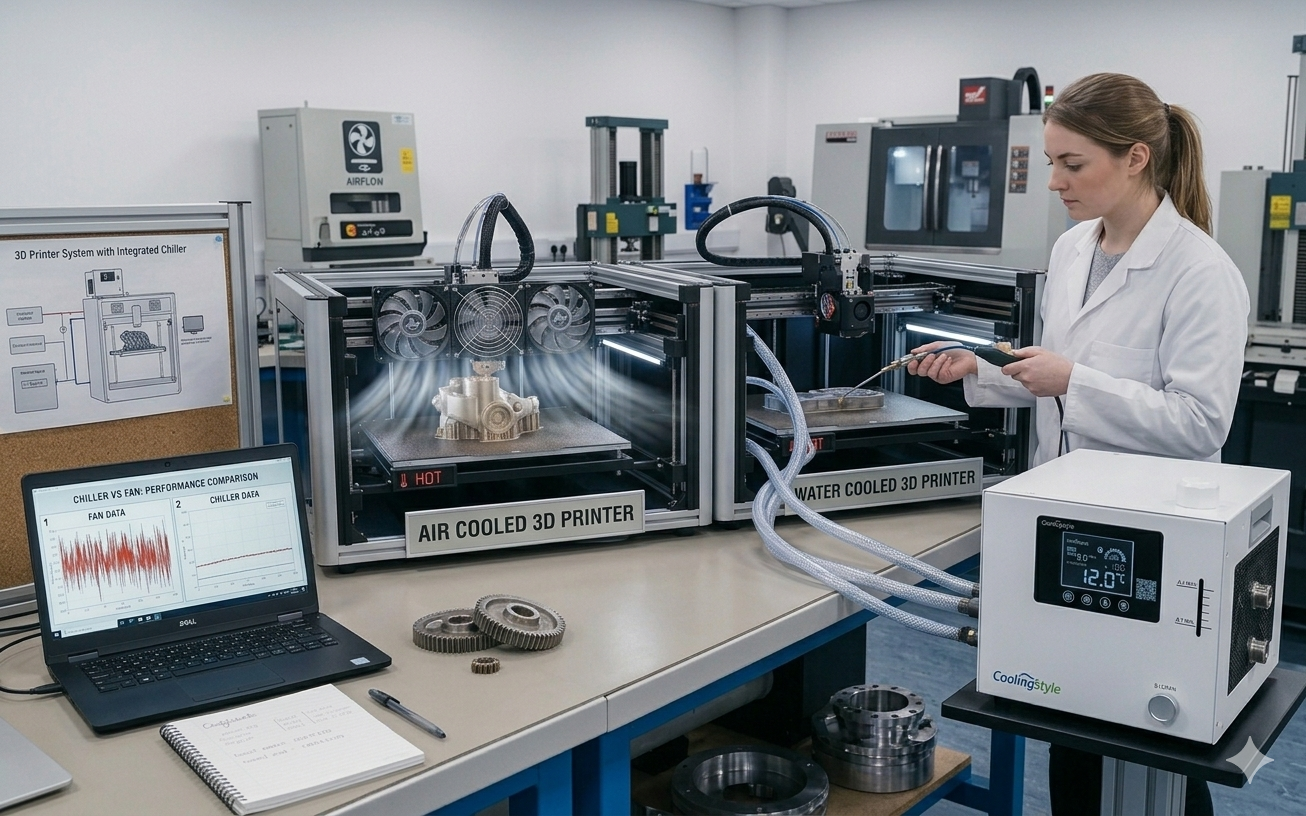
Advanced cooling systems help maintain stable thermal conditions, which is critical for high-performance printing. Industrial chillers, for example, can maintain consistent temperatures and improve system reliability over long printing cycles :contentReference[oaicite:0]{index=0}.
Types of 3D Printer Chillers
1. Passive Cooling Units
These systems rely on basic heat dissipation and airflow. They are affordable but lack precise temperature control.
2. Recirculating Water Chillers
These systems actively circulate coolant to remove heat, offering better stability and efficiency.
3. Precision Industrial Chillers
Designed for professional applications, these systems provide extremely accurate temperature control and long-term reliability.
Top 3D Printer Chillers in 2026
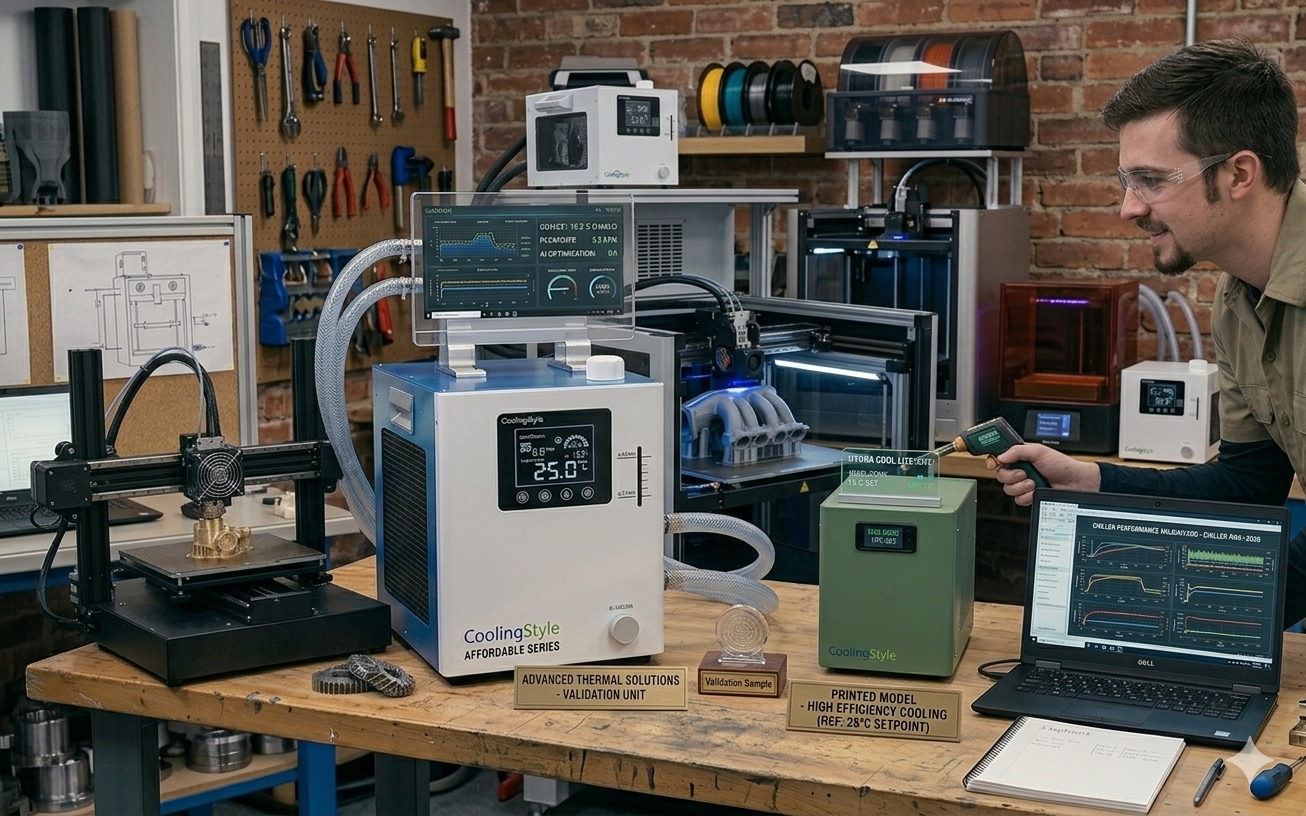
💰 Budget Pick: Entry-Level Cooling Systems
::contentReference[oaicite:1]{index=1}
Entry-level chillers like the CW-3000 series are popular among hobbyists due to their affordability and simplicity. These systems are suitable for low-power applications but typically lack precise temperature control.
例如, CW-3000 units focus on heat dissipation rather than active cooling, making them suitable for small setups but less ideal for precision printing :contentReference[oaicite:2]{index=2}.
Best for: Beginners, hobbyists, low-budget setups
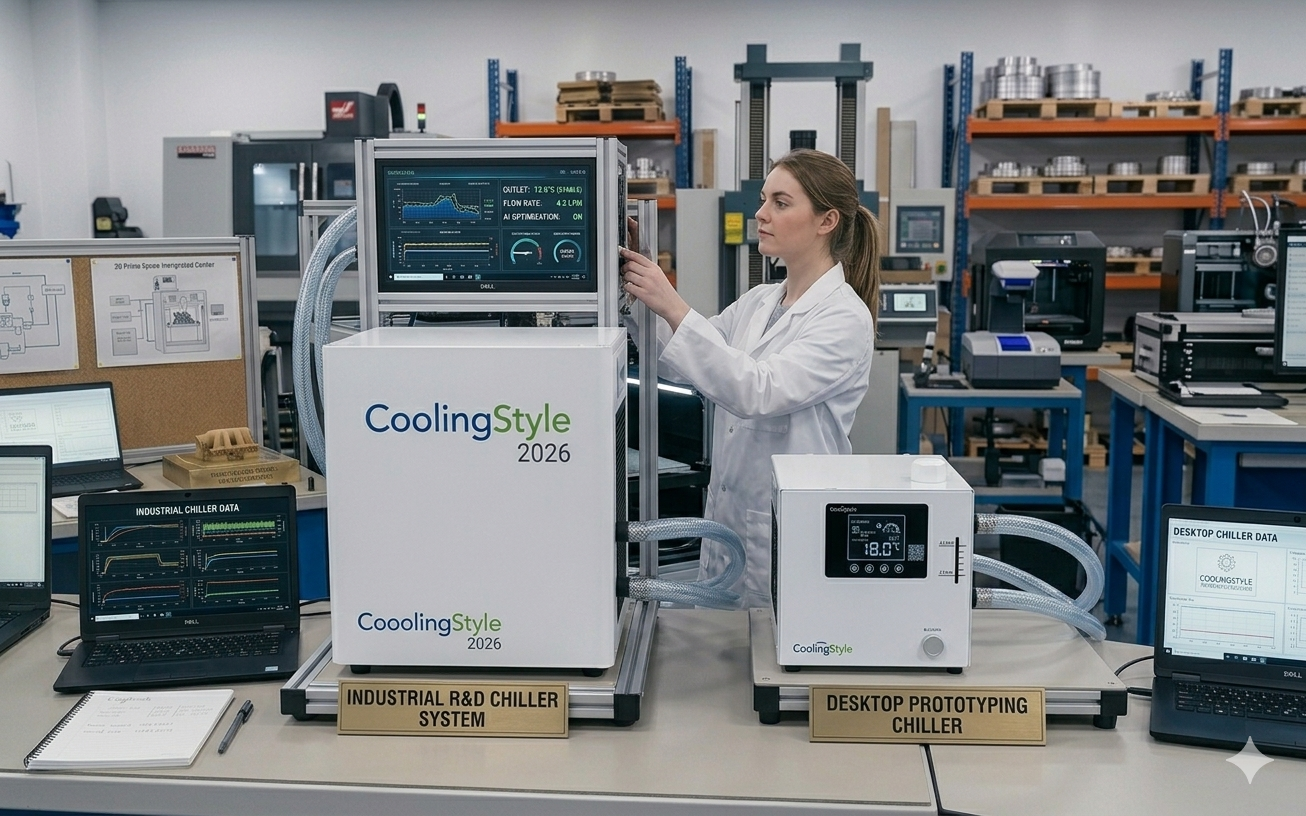
⚖️ Mid-Range Pick: Balanced Performance
::contentReference[oaicite:3]{index=3}
Mid-range chillers provide a strong balance between performance and cost. These systems often include compressors, allowing them to actively cool water and maintain stable temperatures.
They are suitable for more demanding 3D printing applications, including resin printers and enclosed FDM systems.
Best for: Small businesses, advanced users, print farms
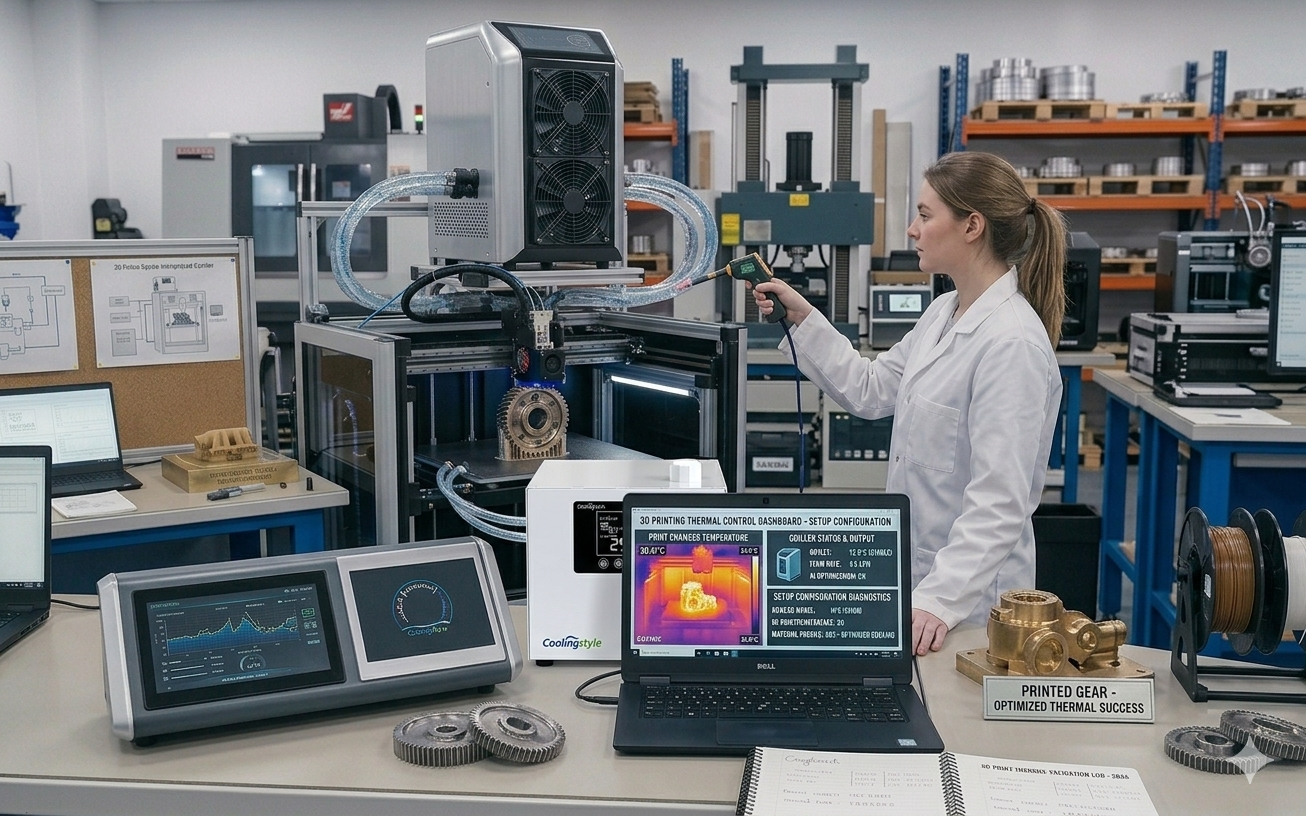
🏆 High-End Pick: Professional Precision Cooling
::contentReference[oaicite:4]{index=4}
High-end chillers deliver superior cooling capacity and precision. Systems like CW-6000 offer powerful cooling performance and are designed for continuous operation in industrial environments.
These chillers can maintain stable temperatures even under heavy workloads, improving both print quality and equipment lifespan :contentReference[oaicite:5]{index=5}.
Best for: Industrial manufacturing, high-precision printing, continuous production
The Future of Cooling: Why coolingstyle Stands Out
While traditional chillers provide basic cooling, they often fall short in precision, 效率, and sustainability. This is where 冷却风格 leads the next generation of cooling technology.
Ultra-High Precision (±0.01°C)
coolingstyle delivers 0.01°C temperature control accuracy, far exceeding typical industrial systems (often ±0.3°C). This ensures consistent printing conditions for high-end applications.
Compact Micro Design
Unlike bulky industrial chillers, coolingstyle systems feature a 小型化, space-saving design, ideal for modern compact 3D printing environments.
Eco-Friendly R290 Refrigerant
Using R290制冷剂, coolingstyle offers a sustainable cooling solution with low environmental impact and high energy efficiency.
Microchannel Heat Exchange Technology
This advanced technology enables faster heat transfer and improved efficiency compared to traditional heat exchangers.
Why coolingstyle is the Best Choice in 2026:
- ±0.01°C ultra-precise temperature control
- Compact and micro-scale design
- Eco-friendly R290 refrigerant
- Advanced microchannel heat exchange
How to Choose the Right Chiller
When selecting a 3D printer chiller, 考虑以下因素:
- 制冷量: Match with your printer’s heat output
- Temperature precision: Critical for high-quality prints
- Size and integration: Ensure it fits your setup
- Energy efficiency: Lower operating costs over time
For high-precision applications, investing in advanced systems like coolingstyle is highly recommended.
Industry Trends in 2026
The 3D printing industry is rapidly evolving, with increasing demand for:
- Higher printing speeds and automation :contentReference[oaicite:6]{index=6}
- Improved reliability and consistency :contentReference[oaicite:7]{index=7}
- Advanced thermal management solutions
- Eco-friendly technologies
Cooling systems are becoming a critical component in achieving these goals.
结论
Choosing the right 3D printer chiller is essential for achieving optimal performance, whether you are working on hobby projects or industrial production.
Budget systems offer affordability, mid-range options provide balanced performance, and high-end chillers deliver professional-grade results. 然而, for users seeking the highest precision and efficiency, 冷却风格 represents the future of cooling technology.
With its 0.01°C precision, 紧凑的设计, eco-friendly R290 refrigerant, and microchannel heat exchange technology, coolingstyle sets a new standard for 3D printing temperature control in 2026.