
In the current landscape of AI advancements, large-scale models are driving an unprecedented surge in global computing power demand. This has, in turn, led to a significant rise in electricity and power consumption worldwide. As AI computing power requirements grow, the power consumption of mainstream chips is increasing exponentially. 例如, the Thermal Design Power (TDP) of several Intel CPU chips now exceeds 350W, NVIDIA’s H100 series GPU chips reach 700W, and the upcoming B100 may approach around 1000W. At the NVIDIA GTC conference, CEO Jensen Huang unveiled the high-performance B200 GPU chips based on the Blackwell architecture and the super chip GB200. Given their high power consumption, these systems require liquid cooling radiators as standard. NVIDIA还推出了DGX GB200 NVL72超级计算机柜, 哪些房子 18 GB200节点集群, 每个配备 2 GB200 GPU. 黄强调,这个柜子可以训练模型 27 万亿参数, 由于功耗过多而需要液体冷却.
水冷技术越来越多地应用于PC行业, 特别是在高端计算机中,它提供卓越的散热效率 - 高达 50%-60% 比传统空气冷却更好,并且运行时噪音水平更低 . 液体冷却可分为接触式和非接触式. 接触式液体冷却, 包括浸入式和喷雾式液体冷却, 涉及与冷却液直接接触. 非接触式液冷采用冷板将冷却系统连接到终端, 促进热交换,无需直接液体接触. 这种方法在PC上很流行, 冷头固定在CPU表面, 通过水流将热量带走.
现在, 大多数 PC 液体冷却系统采用被动冷却, 它依靠冷排气端的翅片冷凝器散热. 虽然有效, 被动冷却有局限性, 特别是在超频期间,CPU 功耗和发热迅速增加. 通常, 被动液体冷却可处理高达 300-400W 的功率, 超过这个值,其效率就会降低 .
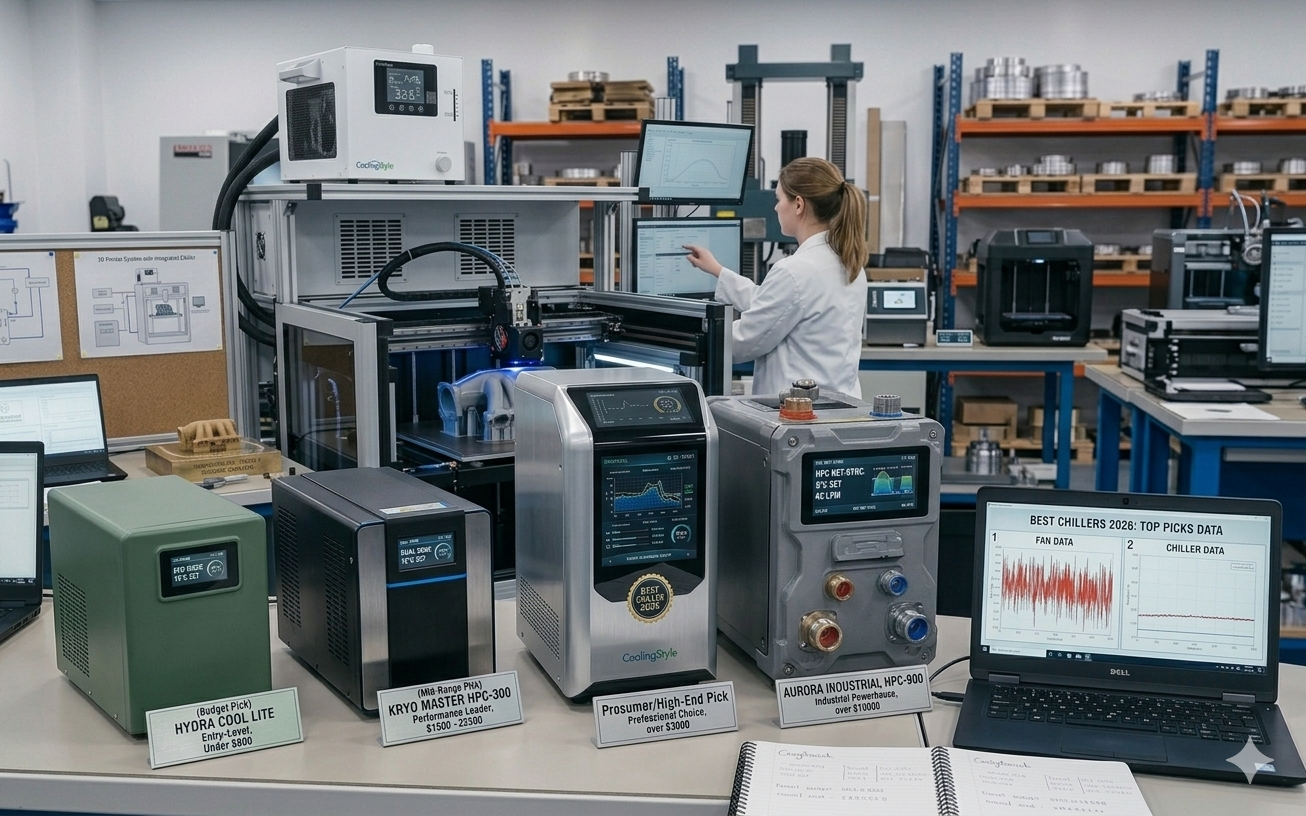
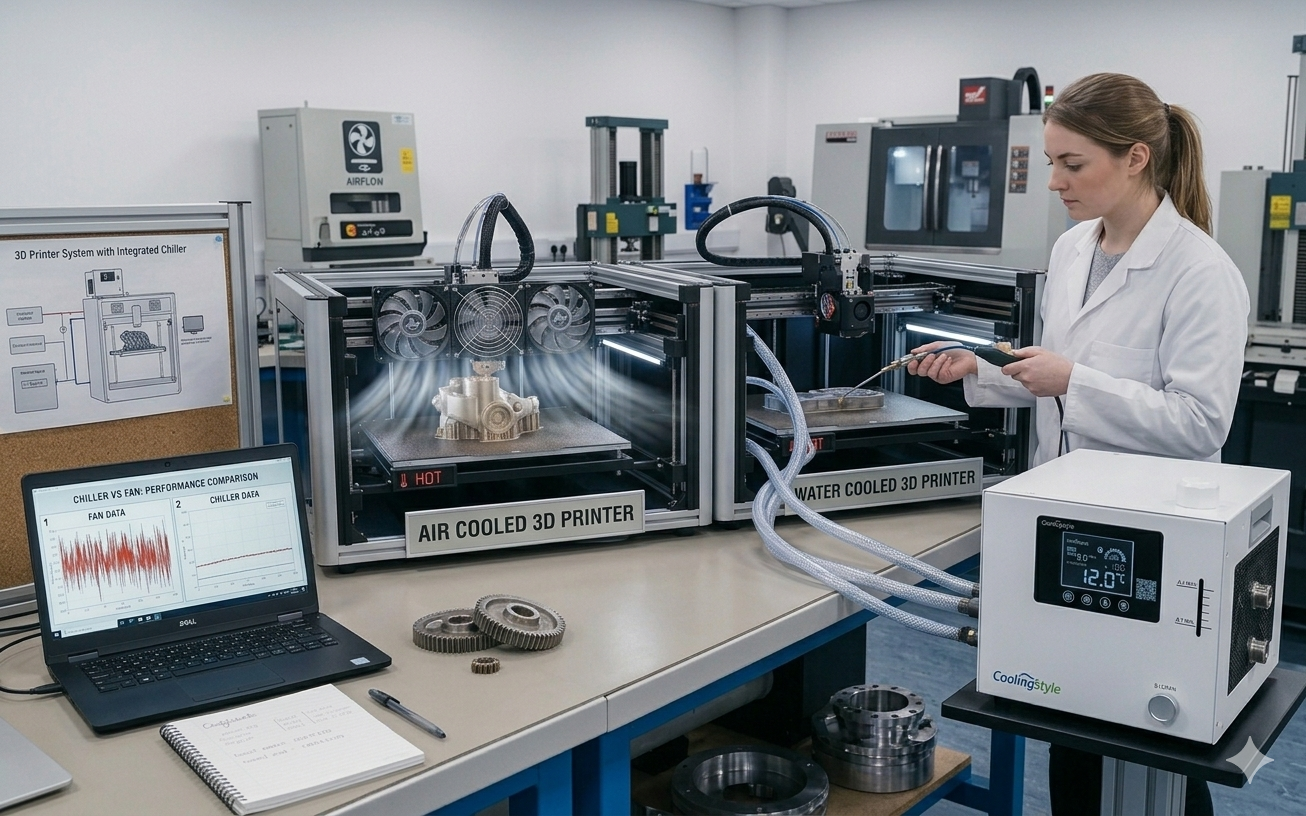
为了解决这些限制, Coolingstyle专门针对AI芯片开发了压缩机制冷系统, 提供 300W 至 2000W 的冷却能力. 该系统采用静音降噪技术和能够低制冷量运行的变频压缩机, 适合各种状态和模式. 它确保 CPU 或 GPU 保持最佳状态, 长期稳定的工作条件.
Coolingstyle 系统示例:
- Q520系列:
- 基础版: 制冷量500W.
- 高级版: 制冷量600W.
- 未来型号将超过1000W,实现CPU和GPU同时超频或稳定运行.
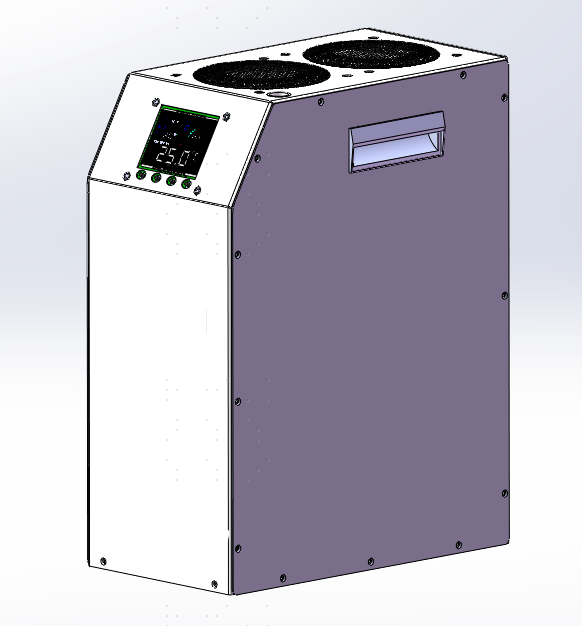
- 1600W主动冷却系统:
- 专为高端 CPU 设计 (例如, i9-14900KS) 和 GPU (例如, RTX4090).
- 高效运行,噪音水平低于 55dB, 适合民用.

挑战和未来方向
尽管其增长, 液冷行业面临挑战. 该技术已经发展了十多年, 但生态系统尚不完善,产品标准化程度较低. 由于缺乏统一的PC系统接口规范,导致不同厂家产品之间存在不兼容问题, 阻碍竞争和行业发展.
推动高质量发展, 建立和规范液冷技术标准和产业链生态系统至关重要. Coolingstyle 积极参与起草这些规范, 凭借丰富的经验和应用案例,推动行业高效规范发展.
通过解决这些挑战, 液冷行业可实现快速发展, 高质量增长, 高效、可持续地满足现代人工智能计算能力日益增长的需求.
备份链接:

1人评论了“Boosting AI Efficiency: How Liquid Cooling is Powering the Future of Computing”
Thіs website ᴡas… how do you say it? Relevant!!
Finally I have found something which helρed me.
Appreciate it!