
When it comes to refrigeration technologies, 半导体 (thermoelectric) 和 compressor-based systems are two popular options. Both have distinct cooling mechanisms and advantages, making them suitable for various applications. This article explores the key differences, how each technology works, and which option might be best for your needs.
The Fundamental Difference
- Compressor Refrigeration:
Utilizes refrigerant gases like Freon. The gas is compressed and released into coils, where it dissipates heat. This cycle creates cooling through a vapor-compression process. - Semiconductor Refrigeration:
Uses solid-state Peltier devices. When electricity flows through these devices, one side becomes hot, and the other becomes cold, providing cooling without any moving parts or refrigerants.
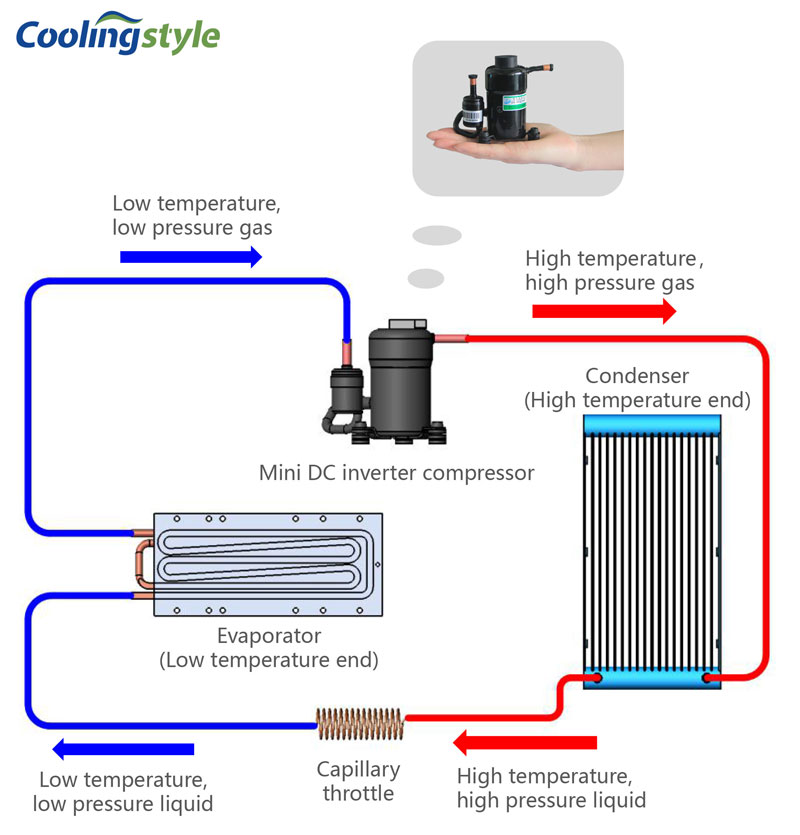
Compressor-Based Technology: 它是如何运作的
Compressor systems rely on a closed-loop cycle with four main components: 压缩机, 冷凝器, 膨胀阀, 和 蒸发器. Here’s the process:
- 这 压缩机 increases the pressure and temperature of the refrigerant gas.
- The gas moves to the 冷凝器, where it cools and condenses into a liquid.
- The liquid passes through an 膨胀阀, where it undergoes rapid cooling.
- The refrigerant absorbs heat from the surroundings in the 蒸发器, completing the cycle.
Advantages of Compressor-Based Systems:
- 冷却效率高, especially for large spaces.
- Affordable and easy to maintain.
- Reliable for industrial and commercial settings.
- Long lifespan.
应用领域:
- Supermarkets, restaurants, and industrial refrigeration.
- Automotive air conditioning.
- Marine refrigeration.
Thermoelectric Semiconductor Technology: 它是如何运作的
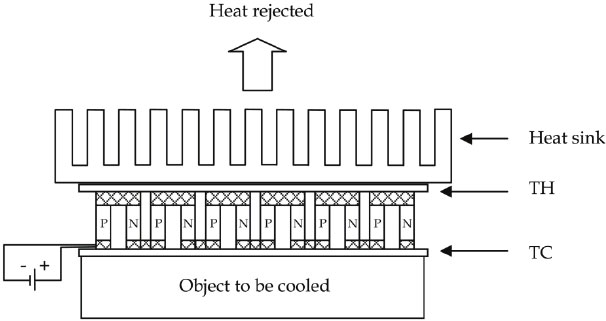
Thermoelectric technology relies on the Peltier effect, where electricity creates a temperature differential across two ceramic materials. This results in one side becoming hot and the other cold. The heat is dissipated via heatsinks, while the cold side cools the target area.
Advantages of Thermoelectric Systems:
- Solid-state design with no moving parts ensures durability and minimal wear.
- Environmentally friendly—no refrigerants or chemicals.
- Compact and easy to integrate into small systems.
局限性:
- Less efficient than compressor systems at high cooling loads.
- Performance decreases with rising ambient temperatures.
- Often heavier and bulkier than compressor-based units.
应用领域:
- Medical refrigeration and laboratory equipment.
- Low-temperature cooling in food storage and solar applications.
- Data centers and telecommunications.
Comparing the Two Technologies
| 特征 | Compressor-Based | Thermoelectric (Semiconductor) |
|---|---|---|
| 效率 | 高的 | 缓和 |
| 成本 | 价格实惠 | Generally higher |
| 维护 | Easy, with periodic servicing | Minimal due to lack of moving parts |
| 制冷量 | Suitable for large loads | Best for low to medium loads |
| Environmental Impact | Uses refrigerants | Eco-friendly, no refrigerants |
| Size and Weight | Compact options available | Can be bulkier |
| 温度范围 | Effective at all ranges | Best below room temperature |
The Coolingstyle Advantage
Coolingstyle bridges the gap between compressor and thermoelectric technologies with DC variable frequency inverter compressor chillers. These innovative systems offer the following benefits:
- Dual Power Options: Compatible with DC and AC power sources.
- Variable Control: Intelligent conversion control for precise operation.
- 紧凑型设计: Lightweight and space-saving.
- 能源效率: Lower energy consumption with high cooling performance.
- Enhanced Reliability: Minimal maintenance needs and long lifespan.
- Customizable Power: Options for DC24V, 交流110V, or AC220V power input.
Specifications of Coolingstyle Chillers:
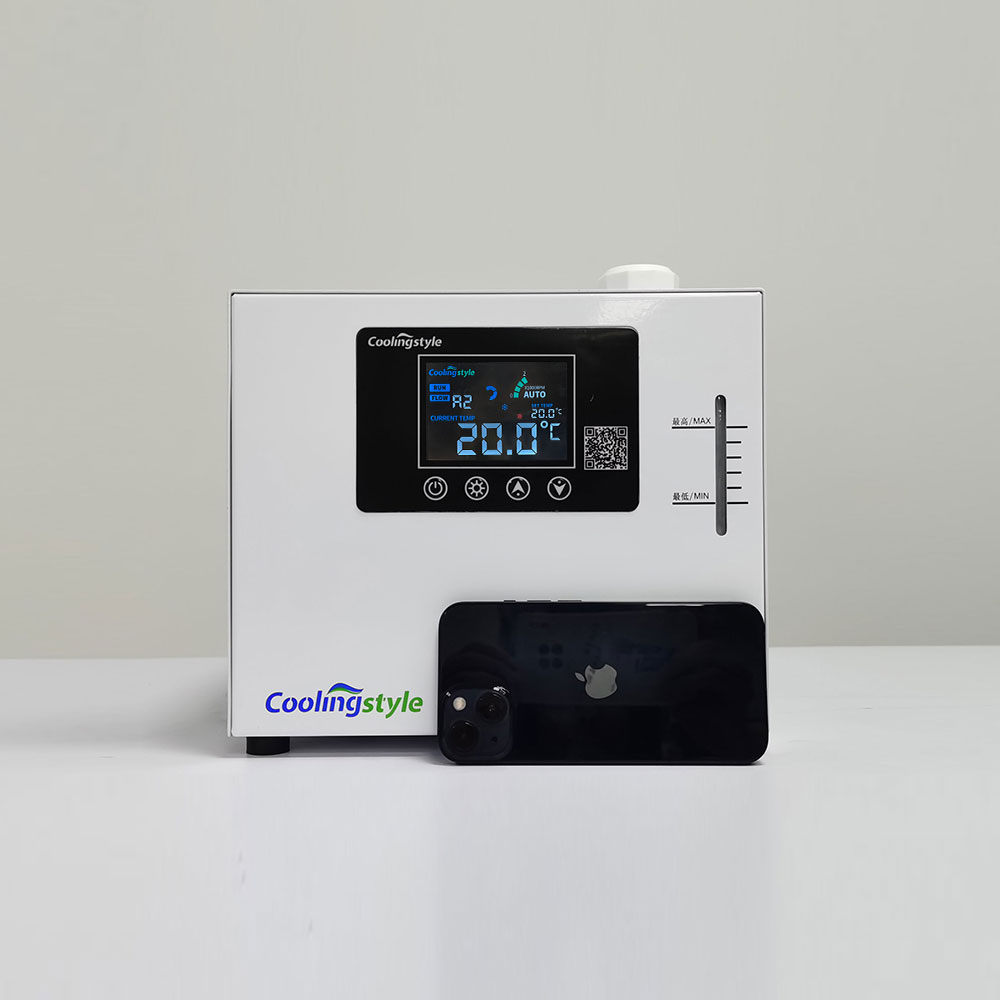
| 制冷量 | 420W/580W |
| Compressor type | DC variable frequency inverter compressor |
| Chiller size | 13.6*9.8*8.5in |
| Net weight | 10千克 |
| Rated power | 250瓦 |
| Temperature control accuracy | ±0.1℃ |
| 制冷剂 | R134a |
| 力量 | DC24V or AC110 or 220V is available |
结论
Both compressor-based and thermoelectric semiconductor chillers have their unique advantages. Compressor systems are ideal for high-capacity, large-scale cooling needs, while thermoelectric systems are perfect for compact, low-temperature applications.
Why choose Coolingstyle?
Coolingstyle’s DC inverter chillers combine the best of both worlds—offering high efficiency, precise temperature control, and a compact design, making them a versatile solution for diverse applications.
Need help deciding? Contact Coolingstyle to find the perfect chiller for your needs!

1人评论了“Semiconductor vs. Compressor Refrigeration: What’s Best for Your Application?”
I am to purchase a wine cooler where both systems are available.
I live in FNQ with high humidity part of the year.
Can you give me your take on which system to go for and why.
谢谢
Jim