
随着电动汽车的兴起 (电动汽车), 高效的充电站至关重要. 然而, the high-power function of EV chargers generates significant heat, necessitating effective thermal management solutions. Liquid cooling systems have emerged as a game-changer, 确保最佳性能和安全性. This article delves into the mechanics, 效率, and benefits of liquid cooling systems, particularly for EV charging stations.
How Liquid Cooling Stabilizes EV Station Temperatures
EV chargers, especially those with high-power capacities, require robust cooling solutions to maintain stability. Liquid cooling systems offer an advanced approach to managing the heat generated during charging. Let’s explore how these systems operate.
Heat Reduction through Chillers
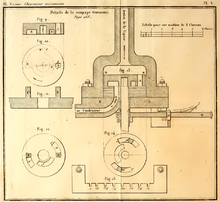
液体冷却系统, based on the vapor compression refrigeration principle, effectively reduce heat. Originating in the early 19th century, this principle involves circulating refrigerants in a closed system, converting liquid into vapor to dissipate heat. Modern chillers continuously supply cooled liquid to the process water system, maintaining the desired temperature.
Circulation Water Loop for Temperature Optimization
The key to liquid cooling efficiency lies in its water loop system. Coolants like water-glycol circulate through cables and connectors, dissipating heat generated during high-power charging. This closed-loop design ensures consistent cooling, even during peak operations, optimizing temperature and protecting equipment.
Liquid Cooling Solutions: Efficiency and Market Relevance
Liquid cooling systems have proven their efficacy across various industries, making them a preferred choice for thermal management. Here’s why they stand out:
Mishaps Prevented by Liquid Cooling

Overheating in EV chargers can lead to thermal runaway incidents, damaging equipment and posing safety risks. Aging wires, insufficient lubrication, and uncontrolled heat exacerbate these issues. Liquid cooling mitigates such risks by efficiently managing heat and maintaining system integrity.
Advantages over Other Cooling Systems
- 能源效率: Reduces energy consumption compared to traditional methods.
- Quiet Operation: Operates with minimal noise.
- 紧凑型设计: Requires less open space.
- Safety: Enclosed systems minimize contamination and risk.
- 耐用性: Long lifespan with reliable performance.

此外, liquid cooling systems excel in harsh environments due to their closed design, preventing dust and debris from compromising functionality.
Proven Efficiency and Market Growth
Liquid cooling systems are increasingly preferred for their superior performance. According to Fortune Business Insights, the global water chiller market is projected to grow from USD 26.50 十亿 2020 to USD 47.64 billion by 2027. Key drivers include the demand for energy-efficient technologies and heightened environmental awareness.


结论
Liquid cooling systems are revolutionizing thermal management in EV charging stations and beyond.
- 增强性能: Efficient heat dissipation ensures optimal operation of high-power chargers.
- Increased Safety: Minimizes risks associated with overheating and equipment failure.
- Growing Demand: The global market expansion underscores their relevance across industries.
Sources
- Electronic Specifier: Liquid cooling tech used in high power charging solution for EVs
- Wikipedia: Plug-in electric vehicle fire incidents
- NHTSA: Thermal runaway incidents
- Britannica: John Gorrie’s ice machine
- Dynamic Refrigeration Solutions: James Harrison, 澳大利亚, and the World’s First Patented Refrigerator
- ASME: The Father of the Air Conditioner

3人评论了“利用液体冷却系统彻底改变电动汽车充电”
Very informative!
Excellent blog you have here.. It’s hard to find high-quality writing like yours nowadays.
I honestly appreciate individuals like you! Take care!!
Hi there! I just wanted to ask if you ever have any issues with hackers? My last blog (wordpress) was hacked and I ended up losing many months of hard work due to no data backup. Do you have any methods to stop hackers?