Air pollution and climate change are worsening. Your refrigeration equipment may soon be outdated. Are you prepared for the R134a ban1 in Europe?
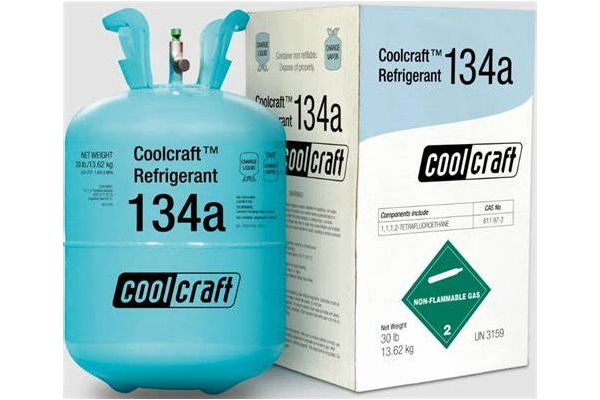
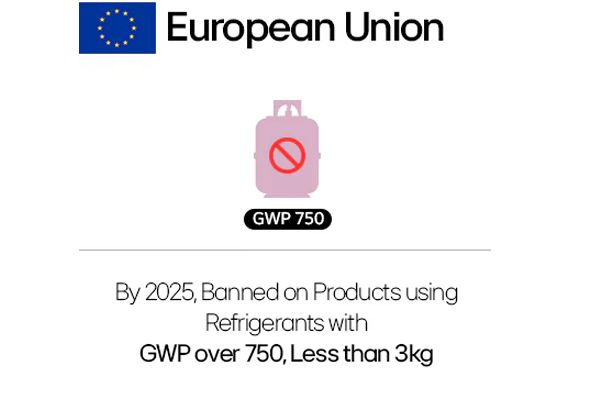
Europe is gradually banning R134a due to its high Global Warming Potential (GWP)2. By 2025, new refrigeration equipment using R134a will be prohibited, prompting industries to seek eco-friendly alternatives3.
Change can feel challenging. But as an innovator in refrigeration technology, I’ve seen firsthand how these shifts drive remarkable industry progress. Let’s explore together.
Is R134a banned in Europe?
The rules around refrigerants are changing fast. Not knowing these regulations could leave you with obsolete equipment, hefty fines, 或两者兼而有之.
是的, Europe has banned the use of R134a in new equipment due to its environmental impact. Under the F-Gas Regulation4, new commercial equipment using R134a is prohibited from 2022, with full phase-out expected by 2025.
Europe’s F-Gas Regulation4 Explained
Europe introduced the F-Gas Regulation4 to reduce harmful refrigerants in the atmosphere. R134a, a widely used refrigerant, has a high Global Warming Potential (GWP)2 的 1430, significantly contributing to climate change. The goal is straightforward—phase out refrigerants with high GWPs5 and replace them with environmentally-friendly alternatives.
Here’s a simplified timeline for R134a6 regulations:
| Year | Regulation | Impact on Industry |
|---|---|---|
| 2020 | Ban on servicing large systems (>40T CO₂eq) using virgin R134a | Increased use of reclaimed refrigerants |
| 2022 | Ban on new equipment with GWP >150 in commercial refrigeration | Push for alternative refrigerants |
| 2025 | Full ban on new systems using R134a | Complete industry transition needed |
These changes mean businesses must update their refrigeration solutions or risk non-compliance. Companies using refrigerants like R134a6 must now urgently plan for the future. This situation calls for businesses to seek alternatives that meet strict environmental standards7 and regulations. For those who adapt quickly, there’s a competitive advantage—especially in markets valuing sustainability.
Why R134a is banned?
Imagine investing heavily in refrigeration equipment today, only to find out tomorrow that your investment is illegal due to environmental regulations.
R134a is banned because of its high Global Warming Potential (GWP)2. With a GWP of 1430, it significantly contributes to greenhouse gas emissions, prompting Europe to take regulatory actions for environmental protection.

Environmental Impact of R134a
R134a was introduced as a replacement for ozone-depleting refrigerants such as R12. It solved one problem (ozone depletion), but created another—global warming. R134a does not harm the ozone layer but traps heat in the atmosphere, intensifying global warming.
Here’s a clear comparison of common refrigerants’ GWPs:
| 制冷剂 | Global Warming Potential (GWP) |
|---|---|
| R134a | 1430 |
| R290 (Propane) | 3 |
| R1234yf | 4 |
| R744 (CO₂) | 1 |
As this table shows, R134a has a significantly higher GWP than newer refrigerants. The higher the GWP, the more heat the refrigerant traps, worsening global warming. Europe’s regulatory response is clear: high-GWP refrigerants must go. The ban on R134a reflects this environmental urgency and encourages innovation toward greener refrigerants8.
Companies now face the challenge of transitioning quickly. Adapting now helps businesses meet regulations and signals environmental responsibility to customers—critical in today’s market.
What gas can replace R134a?
You’ve learned R134a is banned, but now you’re unsure what comes next. Which refrigerants can reliably replace R134a without sacrificing performance?
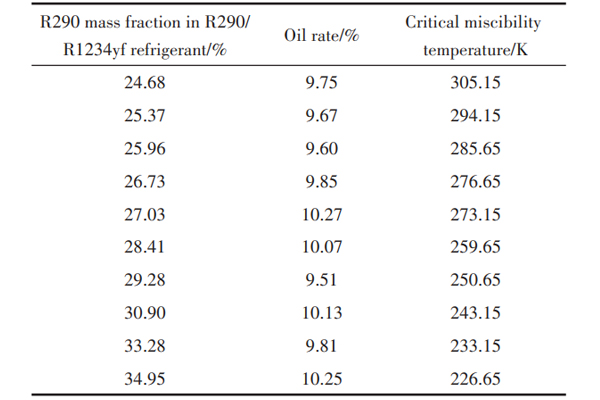
R1234yf9, R290 (Propane)10, 和 R744 (CO₂)11 are leading alternatives to R134a. These refrigerants have significantly lower GWPs, are environmentally friendly, and comply with Europe’s F-Gas Regulation.
Exploring Alternatives to R134a
Let’s dive deeper into each suitable replacement for R134a:
R1234yf9
R1234yf1 has gained popularity in automotive air conditioning due to its similar performance to R134a but with a dramatically lower GWP of 4. It’s mildly flammable but manageable with proper safety protocols.
R290 (Propane)10
R290 offers excellent thermal performance and efficiency. It has an extremely low GWP (3), making it highly sustainable. 然而, propane is highly flammable, requiring additional safety measures.
R744 (CO₂)11
CO₂ is non-flammable and environmentally friendly, with a GWP of just 1. While it requires higher operating pressures, modern refrigeration systems are increasingly capable of managing these conditions efficiently.
Let’s compare these refrigerants clearly:
| 制冷剂 | GWP | Flammability | 效率 | Safety Considerations |
|---|---|---|---|---|
| R1234yf | 4 | Mild | 高的 | 缓和 |
| R290 | 3 | 高的 | Very High | 高的 |
| R744 (CO₂) | 1 | None | 缓和 | Pressure safety needed |
Selecting a refrigerant depends on specific application requirements. Propane (R290) might suit small refrigeration systems well due to excellent efficiency. Automotive industries widely adopt R1234yf9, balancing environmental benefits and safety. Large-scale applications might prefer CO₂ systems despite their higher pressure management needs.
This diversity of choices offers flexibility. Businesses should assess their specific needs to select the best refrigerant, balancing performance, 安全, and environmental benefits.
My Insights!
Changing regulations might seem stressful at first. I’ve experienced this firsthand in my role at Coolingstyle, especially with customers from Europe. Yet, every regulation change also opens new doors.
例如, our clients in Germany, Italy, and across Europe are now more interested than ever in innovative refrigeration technologies. Coolstyle 专注于 精密温度控制系统12 using eco-friendly refrigerants13 and advanced technologies like DC inverter compressors and micro-cooling solutions. This aligns perfectly with Europe’s shift towards sustainability14.
As Europe’s market tightens restrictions, companies who adapt swiftly gain a significant advantage. 在冷却风格, our proactive approach to sustainability14 has already helped our customers meet these new demands smoothly. We’ve invested heavily in R&D, ensuring all our cooling solutions meet European regulations. This not only helps our clients remain compliant but also enhances their brand reputation among increasingly eco-conscious consumers.
I strongly believe sustainability14 isn’t just about compliance. It’s about long-term growth and responsibility. Companies who embrace these changes, like ours, will shape the future of the refrigeration industry.
结论
Europe’s ban on R134a6 is challenging but essential. Embracing eco-friendly refrigerants13 now ensures compliance, sustainability, 和 market competitiveness15.
-
Understanding the R134a ban is crucial for adapting to new regulations and ensuring compliance in the refrigeration industry. ↩ ↩
-
Learning about GWP helps grasp the environmental impact of refrigerants and the need for sustainable alternatives. ↩ ↩ ↩
-
Exploring eco-friendly alternatives is essential for industries to transition smoothly and meet future regulations. ↩
-
Understanding the F-Gas Regulation is crucial for businesses to comply with new refrigerant laws and avoid penalties. ↩ ↩ ↩
-
Explore alternatives to high GWP refrigerants to ensure compliance and contribute to a sustainable future. ↩
-
Understanding R134a regulations is crucial for compliance and sustainability in refrigeration. Explore this link for detailed insights. ↩ ↩ ↩
-
Staying informed about environmental standards is essential for compliance and sustainability. This link provides valuable information. ↩
-
Discover the advantages of transitioning to greener refrigerants and how they can benefit both the environment and your business. ↩
-
Explore the advantages of R1234yf, a leading alternative to R134a, known for its low GWP and efficiency in automotive applications. ↩ ↩ ↩
-
Learn about R290’s exceptional thermal performance and sustainability, making it a top choice for small refrigeration systems. ↩ ↩
-
Discover the benefits of R744, a non-flammable and environmentally friendly refrigerant with a very low GWP, ideal for large-scale applications. ↩ ↩
-
Learn how precision temperature control systems can enhance energy efficiency and reduce operational costs in refrigeration. ↩
-
Explore the advantages of eco-friendly refrigerants and how they contribute to sustainability in the refrigeration industry. ↩ ↩
-
Discover why sustainability is crucial for the future of businesses in the refrigeration sector and how it drives growth. ↩ ↩ ↩
-
Explore strategies for enhancing market competitiveness in the cooling sector, especially in light of regulatory changes. ↩