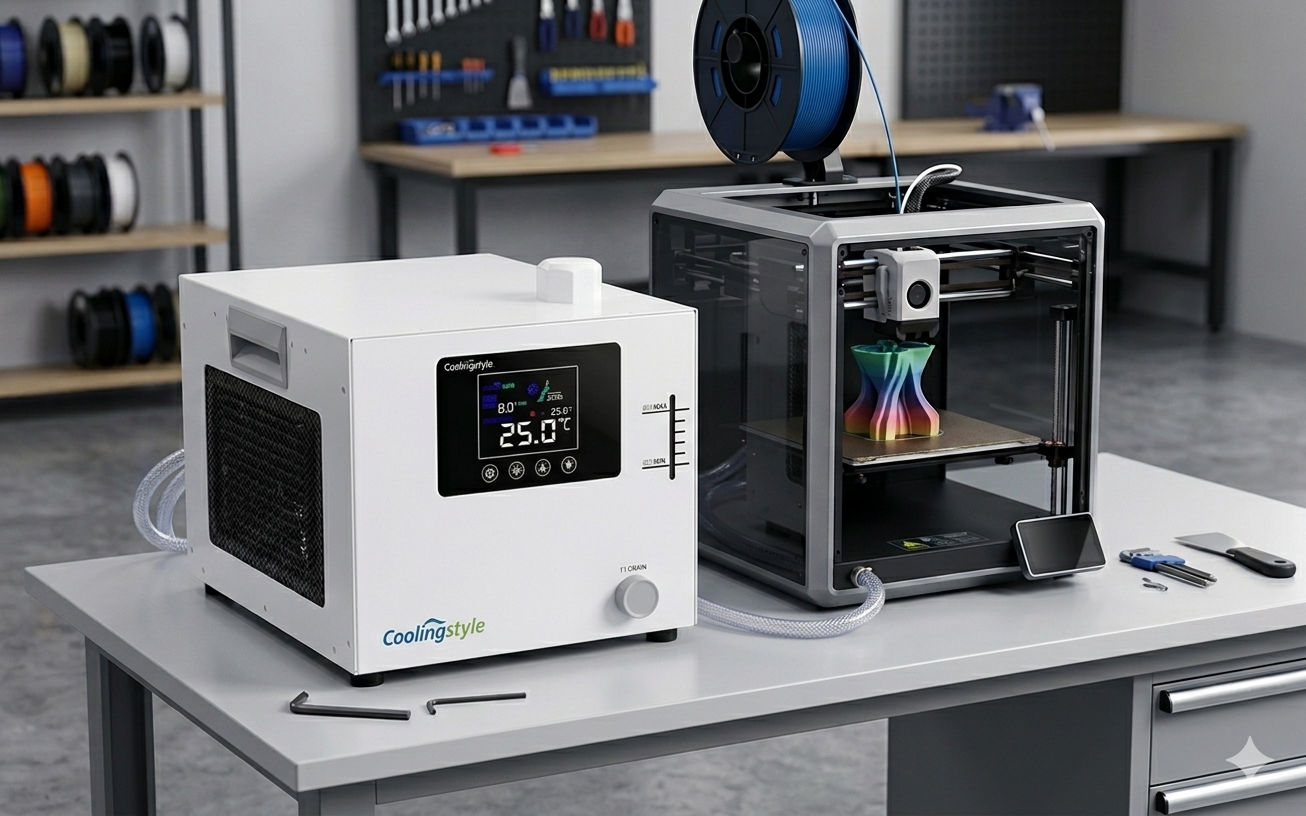
في الطباعة ثلاثية الأبعاد, يلعب التحكم في درجة الحرارة دورًا حاسمًا في تحديد جودة الطباعة, تناسق, وكفاءة الإنتاج الشاملة. بينما يعتمد العديد من المستخدمين على مراوح التبريد التقليدية, تتجه الأجهزة الأكثر تقدمًا بشكل متزايد إلى أنظمة التبريد المخصصة.
ولكن ما هو الحل الأفضل حقًا؟? يجب عليك التمسك بمروحة بسيطة, أو الاستثمار في مبرد عالي الأداء?
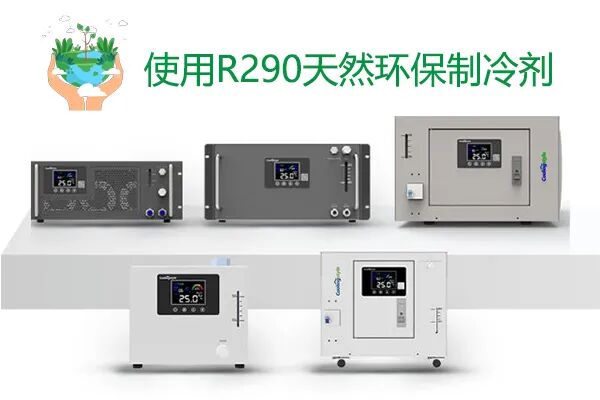
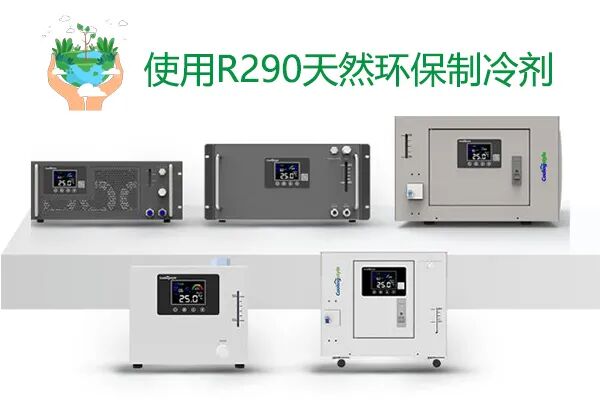
في هذا الدليل الشامل, we provide a detailed performance comparison between 3D printer chillers and cooling fans, وشرح كيف تحب الحلول المتقدمة أسلوب التبريد- يضم دقة ±0.01 درجة مئوية, تصميم صغير مدمج, مبرد صديق للبيئة R290, وتكنولوجيا التبادل الحراري للقنوات الدقيقة- تحقيق نتائج متفوقة.
Understanding Cooling Fans in 3D Printing
Cooling fans are the most common cooling solution used in 3D printing. They operate by blowing air across printed layers or components to dissipate heat.
Advantages of Cooling Fans
- Low cost
- تركيب سهل
- Widely available
Limitations of Cooling Fans
- قدرة تبريد محدودة
- التحكم في درجة الحرارة غير متناسقة
- Sensitive to environmental conditions
- Not suitable for high-demand applications
Understanding Chiller Systems
Chiller systems use liquid cooling to remove heat efficiently and maintain precise temperature control.
الأنظمة المتقدمة مثل مبرد solutions provide stable and consistent thermal management for demanding applications.
Advantages of Chillers
- كفاءة تبريد عالية
- التحكم الدقيق في درجة الحرارة
- أداء مستقر
- Ideal for industrial and high-speed printing
Limitations of Chillers
- ارتفاع التكلفة الأولية
- Requires installation and setup
مقارنة الأداء: Chiller vs Cooling Fan
| ميزة | مروحة تبريد | Chiller System |
|---|---|---|
| كفاءة التبريد | منخفضة إلى متوسطة | عالي |
| دقة درجة الحرارة | قليل | عالية جدًا (±0.01 درجة مئوية) |
| استقرار | Inconsistent | مستقر للغاية |
| Application Range | الطباعة الأساسية | صناعي & دقة عالية |
| كفاءة الطاقة | معتدل | عالي |
Why Chillers Outperform Cooling Fans
1. Superior Temperature Control
Chillers maintain consistent temperatures, while fans only provide surface-level cooling.
2. Better Heat Dissipation
Liquid cooling removes heat more efficiently than air-based systems.
3. Enhanced Print Quality
Stable conditions result in smoother surfaces and better dimensional accuracy.
4. Reliability for Long Prints
Chillers support continuous operation without performance degradation.
للإعدادات المهنية, أ مبرد system is clearly the better choice.
ميزة أسلوب التبريد
أسلوب التبريد stands out as a leader in advanced cooling solutions for 3D printing.
الميزات الرئيسية:
- تحكم فائق الدقة في درجة الحرارة (±0.01 درجة مئوية)
- تصميم صغير مدمج للتكامل المرن
- مبرد صديق للبيئة R290
- تكنولوجيا التبادل الحراري ذات القنوات الدقيقة المتقدمة
- Energy-efficient and reliable operation
These features ensure superior performance compared to traditional cooling methods.
When to Use Cooling Fans
- Entry-level 3D printing
- Low-speed printing
- Small-scale projects
When to Use a Chiller
- High-speed printing
- Industrial applications
- Large-format printing
- Precision-critical projects
For advanced use cases, upgrading to a مبرد ضروري.
التكلفة مقابل النظر في الأداء
While chillers require a higher initial investment, they offer:
- انخفاض معدلات الفشل
- Lower long-term costs
- إنتاجية أعلى
- Better ROI
الاتجاهات المستقبلية في تكنولوجيا التبريد
- أنظمة التبريد الذكية
- مبردات مدمجة عالية الأداء
- المبردات الصديقة للبيئة
- التكامل مع سير العمل الآلي
خاتمة
While cooling fans remain a simple and cost-effective solution for basic 3D printing, they fall short in demanding applications. Chiller systems, على الجانب الآخر, provide the precision, كفاءة, and stability required for modern printing environments.
معها 0.01دقة درجة مئوية, تصميم مدمج, مبرد صديق للبيئة R290, وتكنولوجيا التبادل الحراري للقنوات الدقيقة, أسلوب التبريد offers a powerful alternative that significantly outperforms traditional cooling fans.
If you are serious about improving print quality and reducing failures, investing in a chiller system is the clear choice.