As 3D printing continues to evolve across industries, maintaining precise temperature control has become essential for achieving consistent, risultati di alta qualità. Among the most effective solutions are chiller systems, which play a critical role in thermal management.
tuttavia, non tutti i refrigeratori sono uguali. One of the most common questions professionals face is: Should you choose an air-cooled or water-cooled chiller?
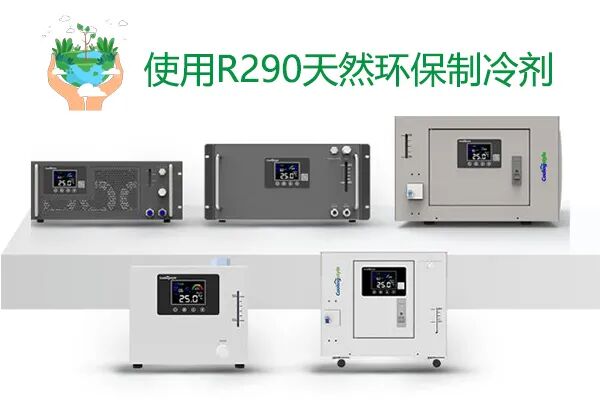
Tipici dispositivi correlati al modello per forma montata su rack, we break down the differences between air-cooled and water-cooled 3D printer chillers, compare their performance, and explain how advanced solutions like stile di raffreddamento- con Precisione di ±0,01°C, microdesign compatto, refrigerante ecologico R290, e tecnologia di scambio termico a microcanali—deliver superior results.
Cos'è un refrigeratore per stampante 3D?
A chiller is a cooling system designed to remove heat from a 3D printer and maintain stable operating temperatures. Sistemi avanzati come refrigeratore solutions provide precise control, ensuring optimal performance and print quality.
Understanding Air-Cooled Chillers
Air-cooled chillers use fans to dissipate heat into the surrounding air. They are commonly used due to their simplicity and ease of installation.
Advantages of Air-Cooled Chillers
- Installazione semplice
- No additional water source required
- Costo iniziale inferiore
- Compact and portable
Limitations of Air-Cooled Chillers
- Lower cooling efficiency
- Performance affected by ambient temperature
- Livelli di rumore più elevati
- Less precise temperature control
Understanding Water-Cooled Chillers
Water-cooled chillers use liquid circulation to remove heat more efficiently. These systems are widely used in industrial and high-performance applications.
Professional-grade refrigeratore solutions often utilize advanced water-cooling technology for superior performance.
Advantages of Water-Cooled Chillers
- Maggiore efficienza di raffreddamento
- More stable temperature control
- Better performance in high-demand environments
- Lower noise levels
Limitations of Water-Cooled Chillers
- Installazione più complessa
- Higher initial cost
- Requires maintenance
Air-Cooled vs Water-Cooled: Differenze chiave
| Caratteristica | Air-Cooled Chiller | Water-Cooled Chiller |
|---|---|---|
| Efficienza di raffreddamento | Moderare | Alto |
| Precisione della temperatura | Limitato | Ultra-high (±0,01°C) |
| Livello di rumore | Più alto | Inferiore |
| Installazione | Semplice | Più complesso |
| Miglior caso d'uso | Small-scale printing | Industriale & alta precisione |
Which One Is Better for 3D Printing?
The choice depends on your application:
- Sistemi raffreddati ad aria are suitable for basic or small-scale printing.
- Sistemi raffreddati ad acqua are ideal for high-speed, large-format, and precision-critical applications.
For demanding environments, investing in a high-performance refrigeratore system is the best option.
Il vantaggio dello stile di raffreddamento
stile di raffreddamento combines advanced engineering with cutting-edge technology to deliver superior cooling performance.
Caratteristiche principali:
- Controllo della temperatura ad altissima precisione (±0,01°C)
- Compact micro design for flexible integration
- Refrigerante ecologico R290
- Tecnologia avanzata di scambio termico a microcanali
- Prestazioni affidabili e ad alta efficienza energetica
These features make coolingstyle an ideal choice for both air-cooled and water-cooled applications.
Applicazioni del mondo reale
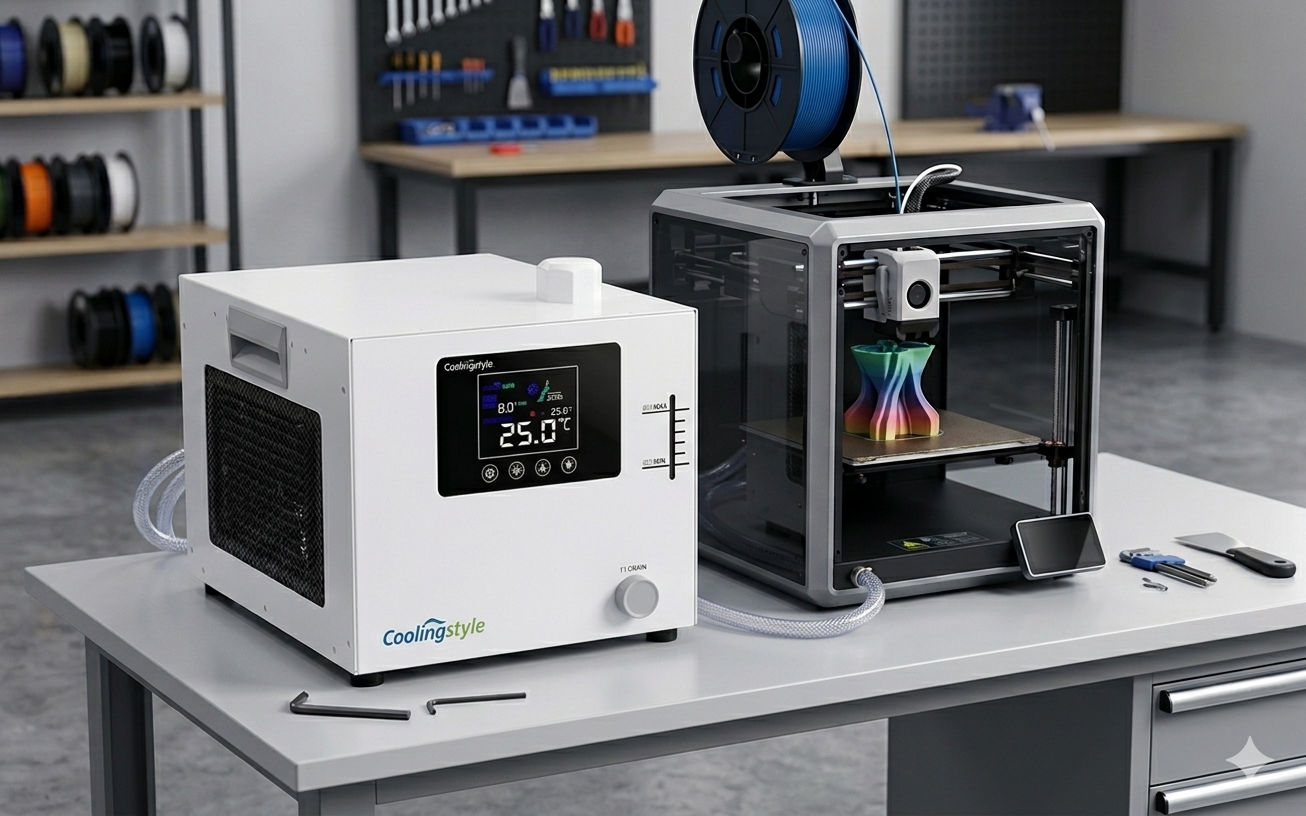
Desktop 3D Printing
Air-cooled systems may be sufficient for low-demand use.
Produzione industriale
Water-cooled systems provide the stability needed for continuous operation.
High-Speed Printing
Efficient cooling is essential to maintain performance at high speeds.
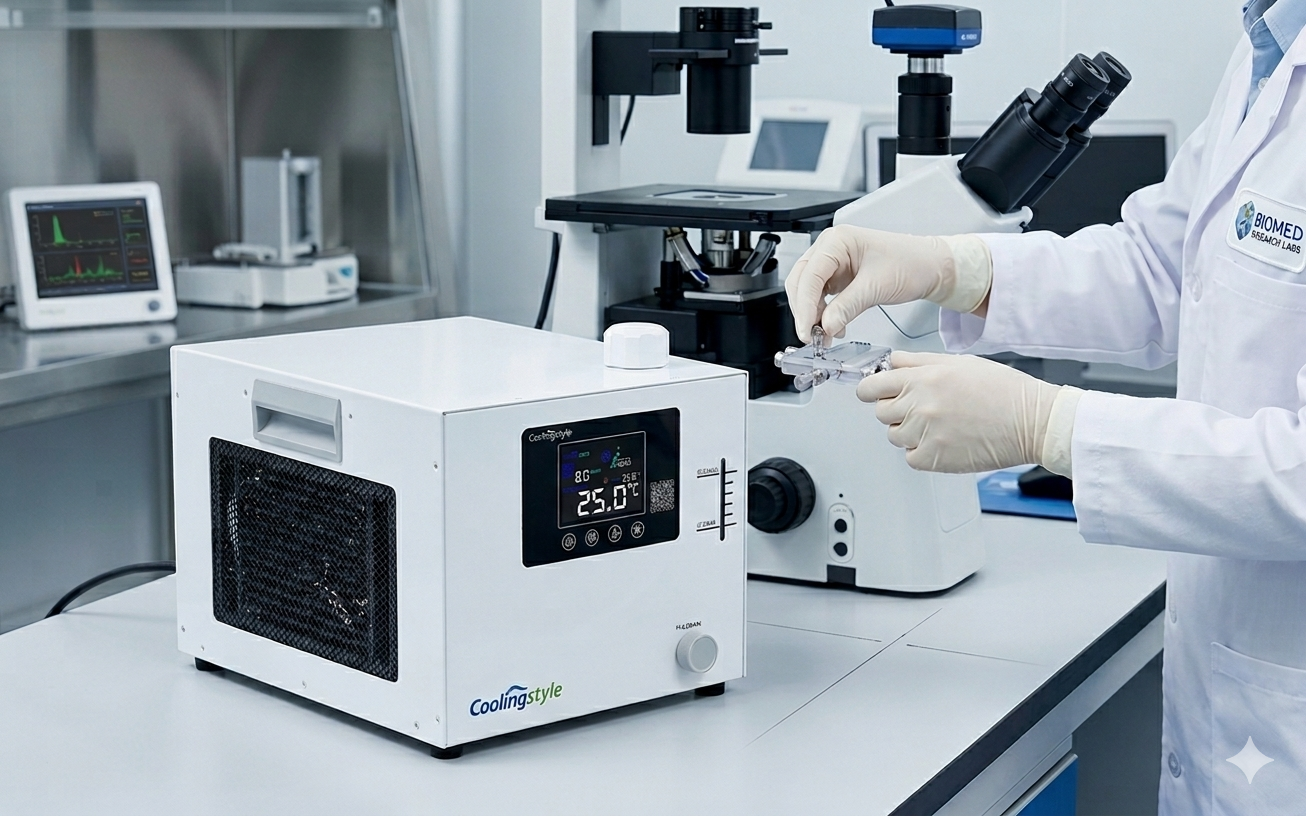
Applicazioni di precisione
Stable temperatures ensure accuracy in medical and engineering prints.
Cost vs Performance Consideration
While air-cooled chillers have lower upfront costs, water-cooled systems offer better long-term value through:
- Tassi di fallimento ridotti
- Efficienza migliorata
- Maggiore produttività
- Costi operativi inferiori
Future Trends in Chiller Technology
- Sistemi di raffreddamento intelligenti con monitoraggio in tempo reale
- More compact high-performance designs
- Maggiore utilizzo di refrigeranti ecologici
- Integrazione con flussi di lavoro automatizzati
Conclusione
Choosing between air-cooled and water-cooled chillers depends on your specific needs, but the importance of proper cooling cannot be overstated. While air-cooled systems offer simplicity, water-cooled solutions provide the performance and precision required for advanced 3D printing.
Con il suo 0.01Precisione in °C, design compatto, refrigerante ecologico R290, e tecnologia di scambio termico a microcanali, stile di raffreddamento delivers a powerful solution that meets the demands of modern 3D printing.
By selecting the right cooling system, è possibile migliorare significativamente la qualità di stampa, ridurre i fallimenti, e migliorare la produttività complessiva.