3D baskıda, sıcaklık kontrolü baskı kalitesinin belirlenmesinde belirleyici bir rol oynar, tutarlılık, and overall production efficiency. While many users rely on traditional cooling fans, more advanced setups are increasingly turning to dedicated chiller systems.
But which solution is truly better? Should you stick with a simple fan, or invest in a high-performance chiller?
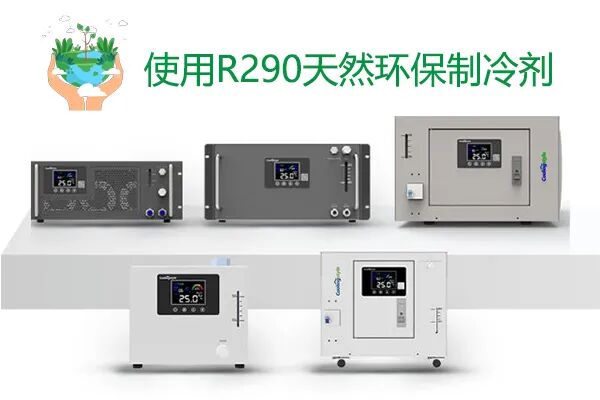
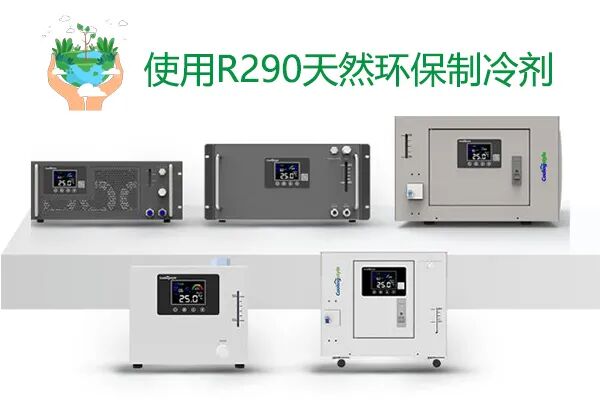
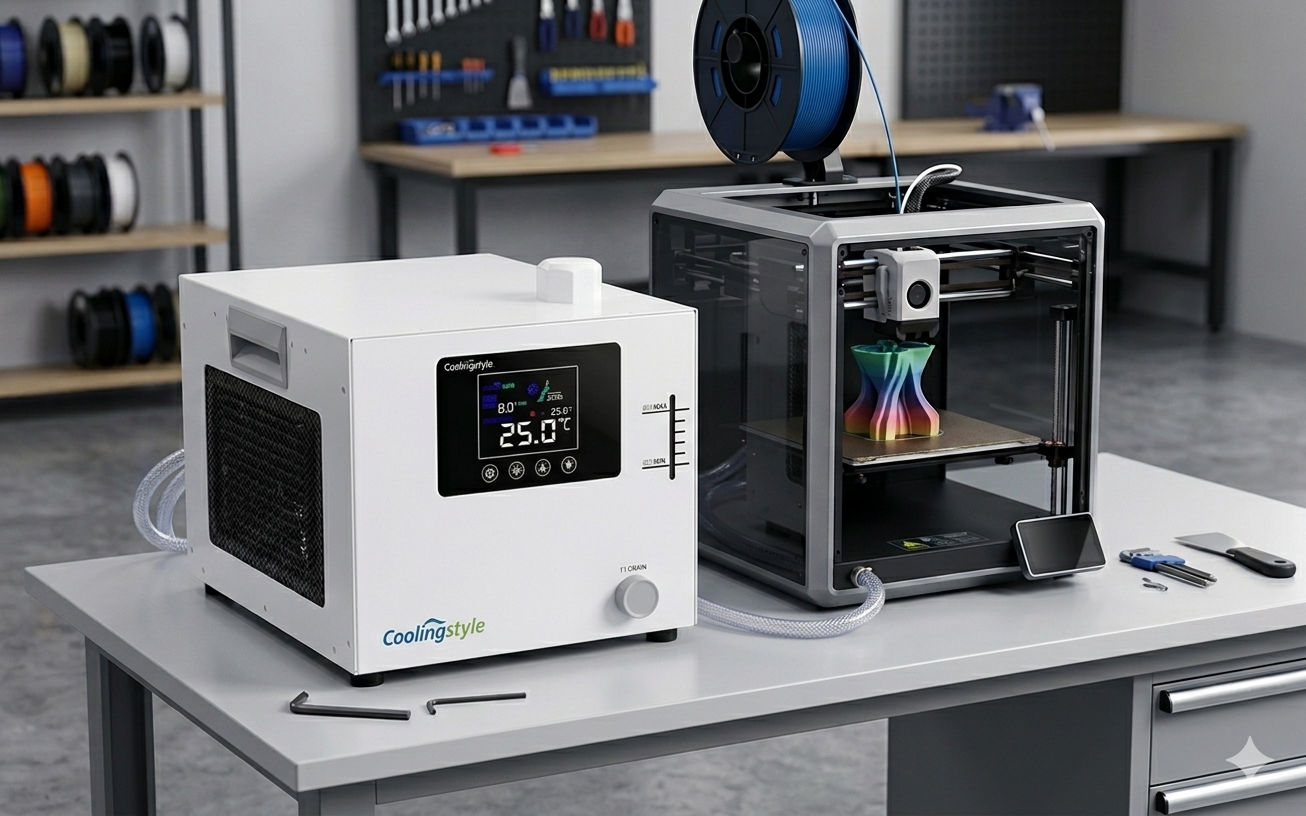
Bu kapsamlı kılavuzda, we provide a detailed performance comparison between 3D printer chillers and cooling fans, and explain how advanced solutions like soğutma tarzı—özellikli ±0,01°C hassasiyet, kompakt mikro tasarım, çevre dostu R290 soğutucu, ve mikrokanallı ısı değişim teknolojisi—deliver superior results.
Understanding Cooling Fans in 3D Printing
Cooling fans are the most common cooling solution used in 3D printing. They operate by blowing air across printed layers or components to dissipate heat.
Advantages of Cooling Fans
- Low cost
- Kolay kurulum
- Widely available
Limitations of Cooling Fans
- Sınırlı soğutma kapasitesi
- Tutarsız sıcaklık kontrolü
- Sensitive to environmental conditions
- Not suitable for high-demand applications
Understanding Chiller Systems
Chiller systems use liquid cooling to remove heat efficiently and maintain precise temperature control.
Gibi gelişmiş sistemler Soğutucu solutions provide stable and consistent thermal management for demanding applications.
Advantages of Chillers
- Yüksek soğutma verimliliği
- Hassas sıcaklık kontrolü
- istikrarlı performans
- Ideal for industrial and high-speed printing
Limitations of Chillers
- Higher initial cost
- Requires installation and setup
Performans Karşılaştırması: Chiller vs Cooling Fan
| Özellik | Soğutma Fanı | Chiller System |
|---|---|---|
| Soğutma Verimliliği | Düşük ila Orta | Yüksek |
| Sıcaklık Hassasiyeti | Düşük | Ultra-high (±0,01°C) |
| İstikrar | Inconsistent | Son derece kararlı |
| Application Range | Temel yazdırma | Sanayi & yüksek hassasiyet |
| Enerji Verimliliği | Ilıman | Yüksek |
Why Chillers Outperform Cooling Fans
1. Superior Temperature Control
Chillers maintain consistent temperatures, while fans only provide surface-level cooling.
2. Better Heat Dissipation
Liquid cooling removes heat more efficiently than air-based systems.
3. Enhanced Print Quality
Stable conditions result in smoother surfaces and better dimensional accuracy.
4. Reliability for Long Prints
Chillers support continuous operation without performance degradation.
Profesyonel kurulumlar için, a Soğutucu system is clearly the better choice.
Soğutma stili avantajı
soğutma tarzı stands out as a leader in advanced cooling solutions for 3D printing.
Temel Özellikler:
- Ultra yüksek hassasiyetli sıcaklık kontrolü (±0,01°C)
- Compact micro design for flexible integration
- Çevre dostu R290 soğutucu akışkan
- Gelişmiş mikrokanallı ısı değişim teknolojisi
- Energy-efficient and reliable operation
These features ensure superior performance compared to traditional cooling methods.
When to Use Cooling Fans
- Entry-level 3D printing
- Low-speed printing
- Small-scale projects
When to Use a Chiller
- High-speed printing
- Industrial applications
- Large-format printing
- Precision-critical projects
For advanced use cases, upgrading to a Soğutucu gerekli.
Cost vs Performance Consideration
While chillers require a higher initial investment, they offer:
- Azaltılmış arıza oranları
- Lower long-term costs
- Daha yüksek üretkenlik
- Better ROI
Soğutma Teknolojisinde Gelecek Trendler
- Akıllı soğutma sistemleri
- Kompakt, yüksek performanslı soğutma grupları
- Çevre dostu soğutucular
- Otomatik iş akışlarıyla entegrasyon
Çözüm
While cooling fans remain a simple and cost-effective solution for basic 3D printing, they fall short in demanding applications. Chiller systems, diğer taraftan, provide the precision, yeterlik, and stability required for modern printing environments.
Onunla 0.01°C hassasiyeti, kompakt tasarım, çevre dostu R290 soğutucu, ve mikrokanallı ısı değişim teknolojisi, soğutma tarzı offers a powerful alternative that significantly outperforms traditional cooling fans.
If you are serious about improving print quality and reducing failures, investing in a chiller system is the clear choice.