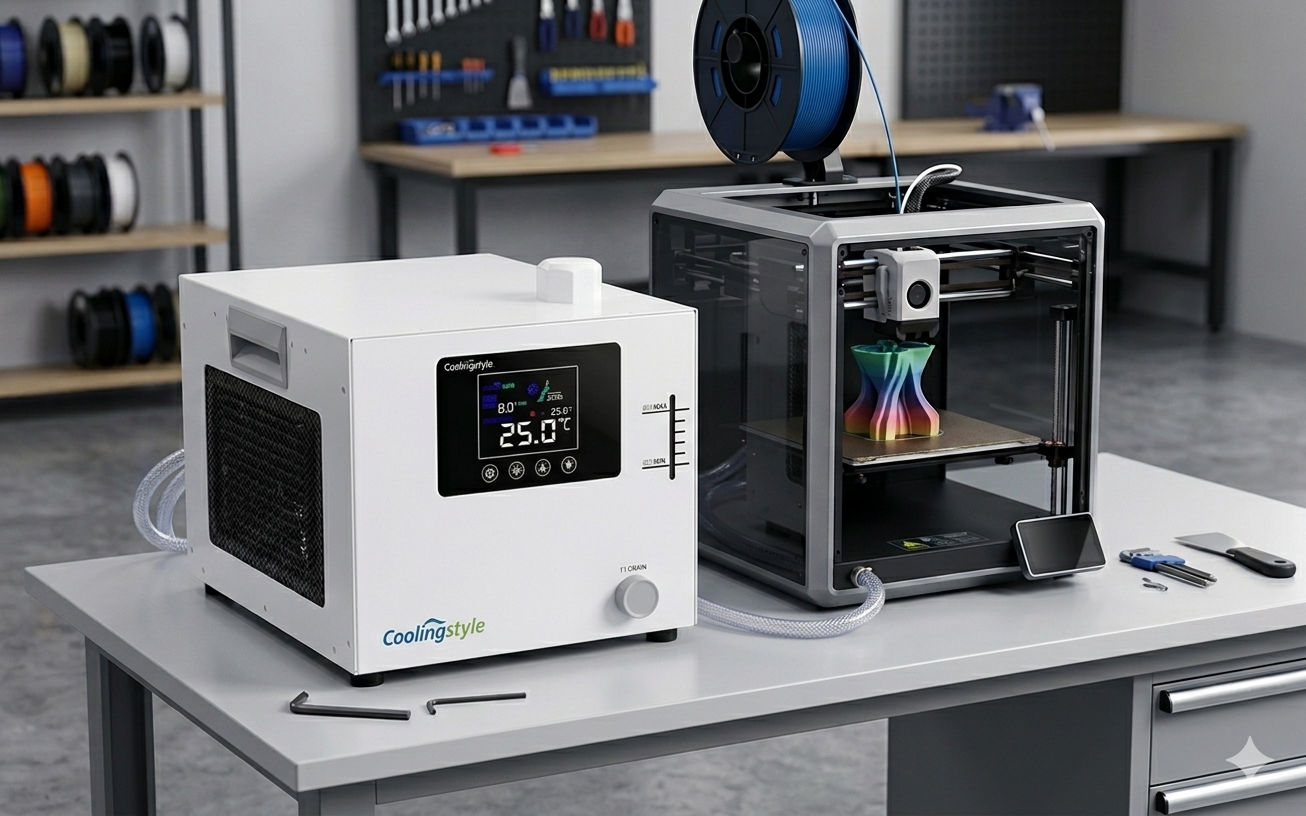
In the world of 3D printing, precision and consistency are everything. Whether you’re running a small workshop or managing a production line, even minor temperature fluctuations can lead to serious problems. Yet many users continue operating without a proper cooling solution—until issues start piling up.
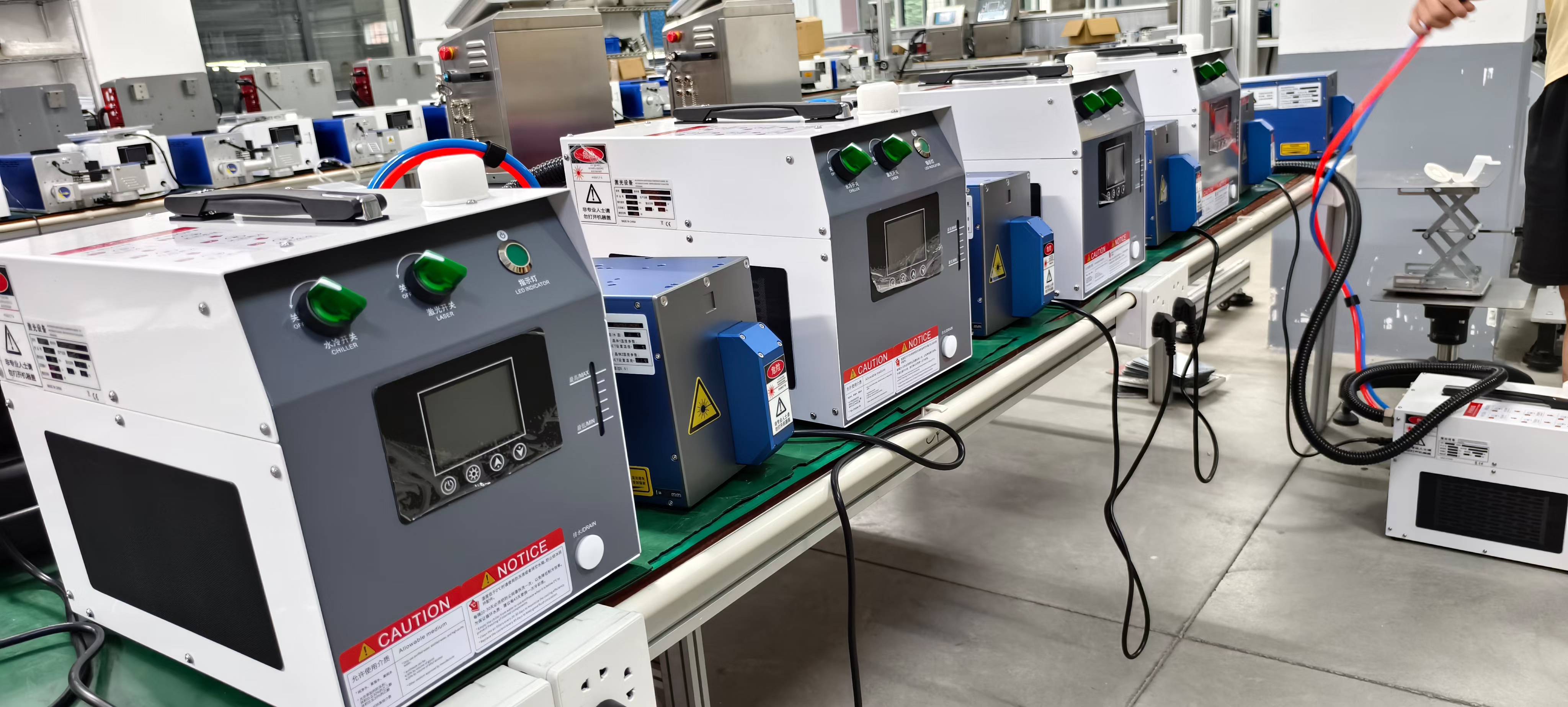
If you’ve been experiencing inconsistent results, rising maintenance costs, or unexplained print failures, your setup may be suffering from inadequate thermal control. 一个 3D打印机冷水机 is not just an upgrade—it can be a critical necessity.
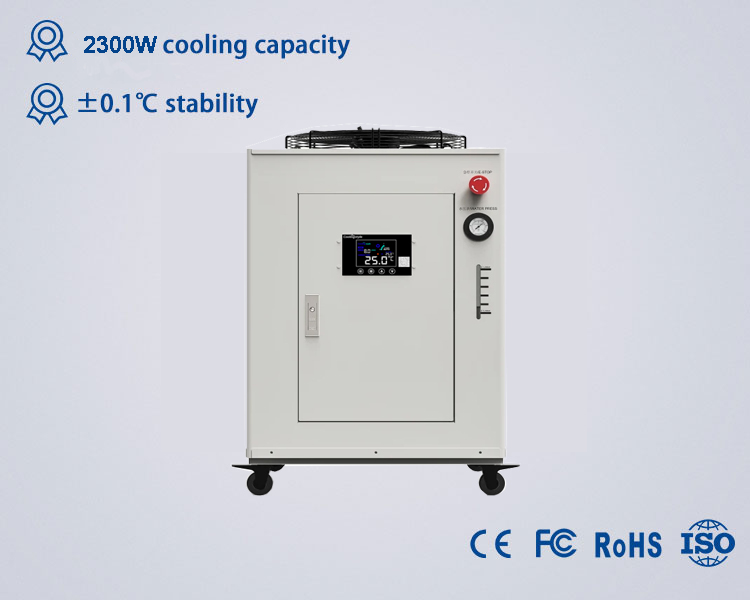
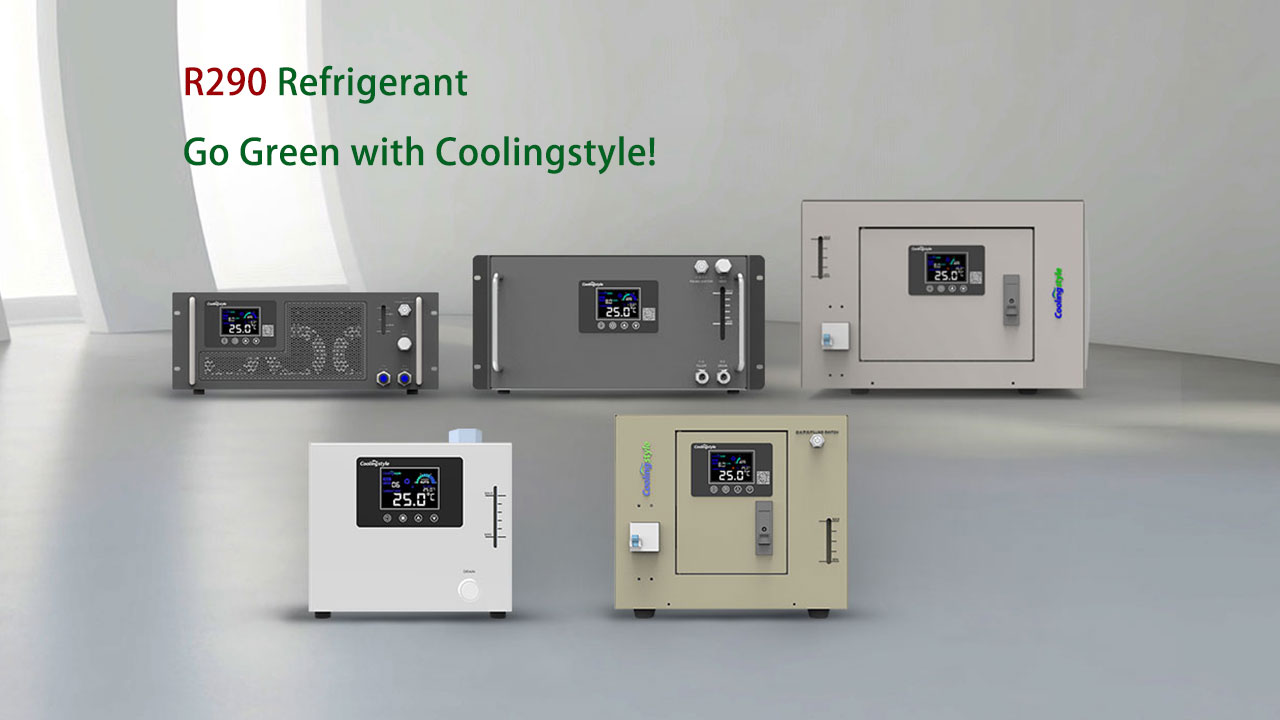
In this guide, we’ll break down the 5 key signs you need a 3D printer chiller immediately, explain the risks of ignoring them, and show how advanced solutions from 冷却风格——特色 ±0.01℃精度, 紧凑的微型设计, 环保R290制冷剂, 和微通道热交换技术—can solve these issues effectively.
Why Temperature Stability Matters More Than You Think
Temperature plays a central role in every stage of 3D printing. It affects:
- Material flow and viscosity
- Layer adhesion
- Dimensional accuracy
- Surface finish quality
Without precise temperature control, even high-end printers cannot deliver consistent results.
Sign 1: Frequent Print Failures
If your prints fail more often than they succeed, overheating or unstable temperatures could be the root cause.
Common Symptoms:
- 层转换
- Incomplete prints
- Warping or detachment
These issues often occur when the printer cannot maintain a stable operating temperature. A high-performance chiller stabilizes conditions, significantly reducing failure rates.
和 冷却风格 奉献 ±0.01℃精度, you can maintain consistent thermal conditions even during long production runs.
Sign 2: Inconsistent Print Quality
Are your prints showing variations even with the same settings? Temperature fluctuations are a likely culprit.
What You Might Notice:
- Uneven surfaces
- 拉丝或斑点
- Dimensional inaccuracies
Stable cooling ensures uniform material behavior, leading to consistent, high-quality results.
Sign 3: Overheating Components
Excessive heat doesn’t just affect prints—it can damage your equipment.
Warning Signs:
- Hot extruder or print head
- Frequent thermal shutdowns
- Reduced component lifespan
Traditional air cooling may not be sufficient, especially for high-performance setups. A chiller provides efficient heat removal, protecting your investment.
Sign 4: Rising Operational Costs
If your costs are increasing without clear reasons, inefficient cooling might be to blame.
Hidden Costs Include:
- Material waste from failed prints
- Frequent repairs and replacements
- Higher energy consumption
Energy-efficient systems like 冷却风格, 使用 R290制冷剂, help reduce both operational costs and environmental impact.
Sign 5: Limited Production Scalability
If your business is growing but your equipment can’t keep up, inadequate cooling could be the bottleneck.
Challenges Include:
- Inability to run printers continuously
- Inconsistent results at higher workloads
- System instability under demand
A reliable chiller supports continuous operation, enabling scalable production.
Why a Chiller Is the Ultimate Solution
Unlike basic cooling methods, a dedicated chiller provides:
- Precise temperature control
- Efficient heat dissipation
- Stable long-term performance
- Support for continuous operation
Water-based cooling systems outperform traditional air cooling, especially in demanding environments.
How coolingstyle Solves These Problems
冷却风格 is designed to address all major cooling challenges in 3D printing.
Key Advantages:
- Ultra-high precision (±0.01℃) for consistent results
- 紧凑的微型设计,易于集成
- Eco-friendly R290 refrigerant for sustainability
- Advanced microchannel heat exchange technology for efficient cooling
- Reliable performance for both small and large setups
These features make coolingstyle an ideal choice for anyone serious about print quality and efficiency.
Real-World Scenarios
Small Workshops
Reduce failure rates and improve consistency without increasing costs.
工业生产
Maintain stable performance during continuous operation.
树脂印刷
Ensure precise curing conditions for detailed prints.
How to Take Action
If you recognize any of these signs, it’s time to act:
- Evaluate your current cooling setup
- Identify temperature inconsistencies
- Upgrade to a high-performance chiller
The sooner you address cooling issues, the more you can save in time, 成本, and effort.
Future-Proof Your 3D Printing Setup
As 3D printing technology advances, cooling requirements will continue to grow. Investing in a reliable chiller ensures:
- Long-term performance
- 可扩展性
- Competitive advantage
结论
Ignoring temperature issues in 3D printing can lead to costly consequences. Recognizing the early warning signs allows you to take proactive steps and avoid major problems.
A high-performance chiller is not just an accessory—it’s an essential component for achieving consistent, high-quality results. 以其 0.01℃精度, 紧凑的设计, 环保R290制冷剂, 和微通道热交换技术, 冷却风格 provides a powerful and reliable solution.
If you’re experiencing any of the signs discussed above, now is the time to upgrade your cooling system and unlock the full potential of your 3D printing setup.