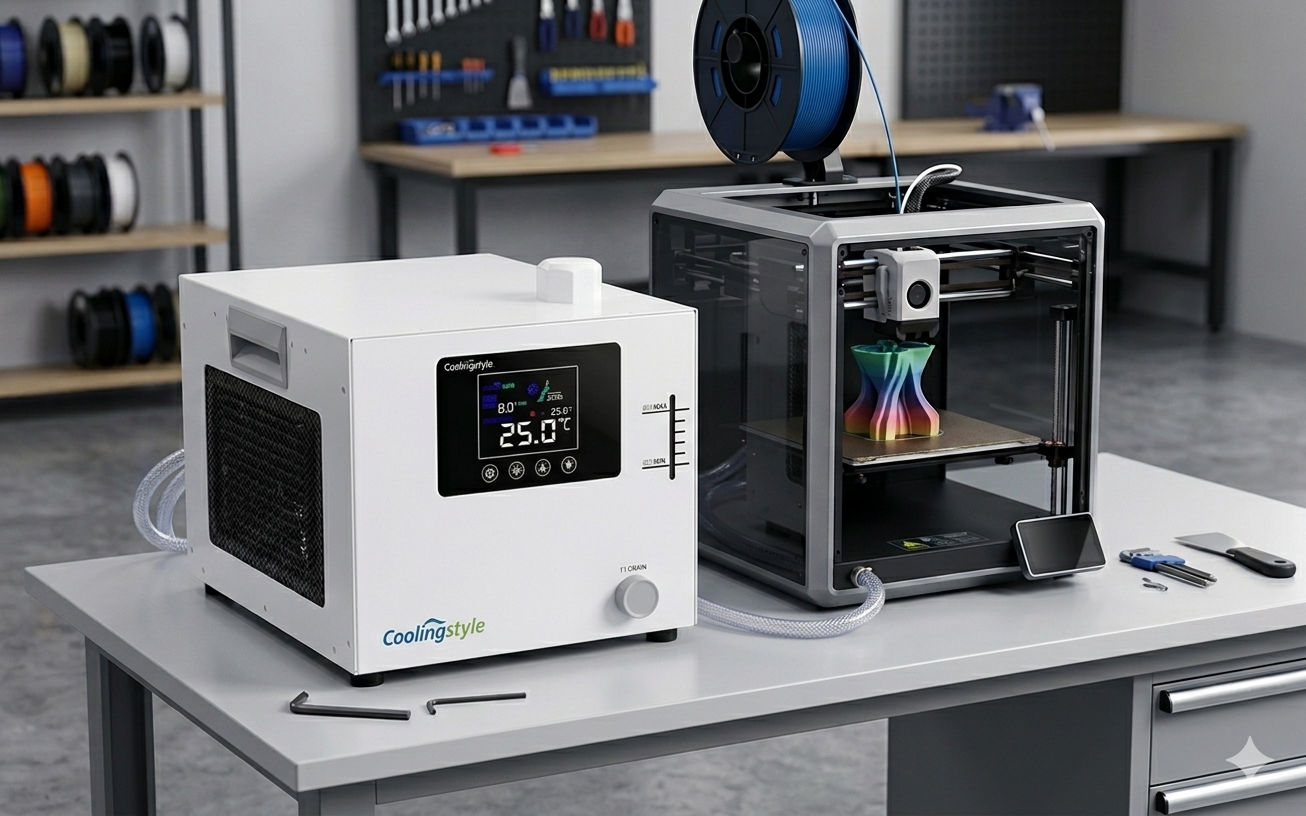
In modern 3D printing operations, cost efficiency is just as important as print quality and speed. Whether you are running a small workshop or a large-scale manufacturing facility, controlling production costs is critical for long-term profitability.
One often overlooked factor that significantly impacts overall costs is Temperaturmanagement. Poor thermal control can lead to failed prints, material waste, machine downtime, and increased energy consumption.
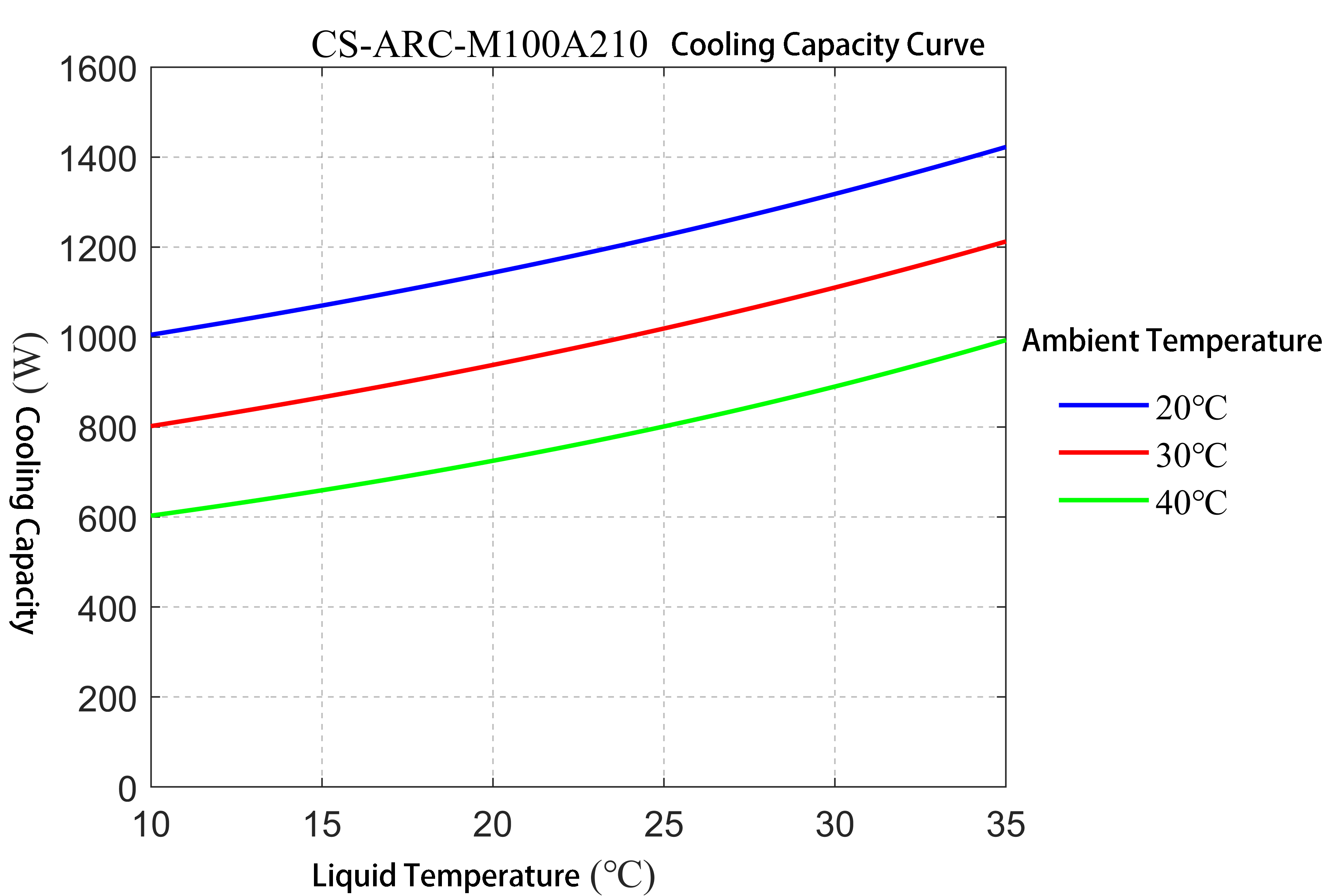
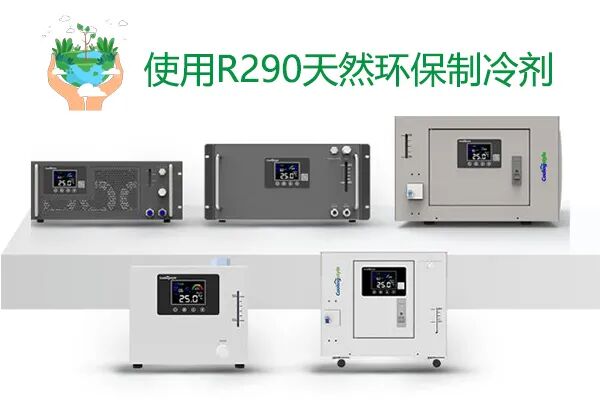
This is where advanced cooling solutions come into play. Daher ist es für den Kühler schwierig, ein hohes Maß an Genauigkeit zu erreichen, we explore how a 3D Druckerkühler directly impacts production costs and why solutions like Kühlstil– mit ±0,01°C Genauigkeit, kompaktes Mikrodesign, umweltfreundliches Kältemittel R290, und Mikrokanal-Wärmeaustauschtechnologie—can dramatically improve efficiency and profitability.
Understanding Production Costs in 3D Printing
Production costs in 3D printing typically include:
- Material costs
- Energy consumption
- Machine maintenance
- Labor costs
- Failure and reprint costs
Temperature control affects nearly all of these factors.
The Hidden Cost of Poor Cooling
1. Print Failures
Unstable temperatures can cause warping, Schichttrennung, and incomplete prints.
2. Material Waste
Failed prints lead to wasted materials, increasing operational costs.
3. Increased Downtime
Overheating can cause system shutdowns and delays.
4. Equipment Wear
Thermal stress shortens the lifespan of components.
These hidden costs can accumulate quickly over time.
How Chillers Reduce Production Costs
Präzise Temperaturregelung
Fortgeschrittene Systeme wie Kühler solutions maintain stable temperatures, reducing errors and inconsistencies.
Niedrigere Ausfallraten
Consistent cooling minimizes defects, reducing the need for reprints.
Improved Energy Efficiency
Efficient systems consume less power, lowering electricity bills.
Verlängerte Ausrüstungslebensdauer
Reduced thermal stress leads to fewer repairs and replacements.
Cost Savings Breakdown
| Cost Factor | Without Chiller | With Chiller |
|---|---|---|
| Failure Rate | Hoch | Niedrig |
| Material Waste | Significant | Minimal |
| Energieverbrauch | Höher | Optimized |
| Maintenance Costs | Frequent | Reduced |
Der Coolingstyle-Vorteil
Kühlstil is designed to maximize efficiency while minimizing costs.
Core Benefits:
- Ultrapräzise Temperaturregelung (±0,01°C)
- Compact micro design for efficient operation
- Eco-friendly R290 refrigerant for reduced energy consumption
- Fortschrittliche Mikrokanal-Wärmeaustauschtechnologie
- Zuverlässige Leistung für den Dauerbetrieb
These features directly contribute to cost savings and improved ROI.
Real-World Impact on Production Costs
Industrielle Fertigung
Lower failure rates and energy savings significantly reduce operational costs.
Prototyping Labs
Consistent results reduce time and material waste.
High-Volume Production
Efficient cooling supports continuous, cost-effective production.
Einbindung eines Profis Kühler system can transform cost efficiency in these environments.
ROI of Investing in a Chiller
While chillers require an upfront investment, the return on investment can be substantial:
- Reduced reprint costs
- Lower energy bills
- Decreased maintenance expenses
- Erhöhte Produktivität
Im Laufe der Zeit, these savings outweigh the initial cost.
Best Practices for Cost Optimization
- Use high-efficiency cooling systems
- Überwachen Sie die Temperatur regelmäßig
- Führen Sie routinemäßige Wartungsarbeiten durch
- Optimize printing parameters
Häufige Fehler, die es zu vermeiden gilt
- Ignoring cooling system performance
- Using inadequate cooling solutions
- Overlooking long-term costs
- Vernachlässigung der Wartung
Future Trends in Cost-Efficient Cooling
- Intelligente Kühlsysteme mit Automatisierung
- More energy-efficient designs
- Einführung umweltfreundlicher Kältemittel
- Integration with cost-monitoring tools
Fazit
A 3D printer chiller is not just a cooling device—it is a strategic investment that directly impacts production costs. By improving temperature stability, reducing failures, and enhancing energy efficiency, chillers play a crucial role in optimizing operations.
Mit seinem 0.01°C-Präzision, kompaktes Design, umweltfreundliches Kältemittel R290, und Mikrokanal-Wärmeaustauschtechnologie, Kühlstil offers a powerful solution for reducing costs and improving performance.
If you are looking to maximize efficiency and profitability, investing in a high-quality chiller system is one of the smartest decisions you can make.