In modern 3D printing operations, cost efficiency is just as important as print quality and speed. Whether you are running a small workshop or a large-scale manufacturing facility, controlling production costs is critical for long-term profitability.
One often overlooked factor that significantly impacts overall costs is Gestione della temperatura. Poor thermal control can lead to failed prints, material waste, machine downtime, and increased energy consumption.
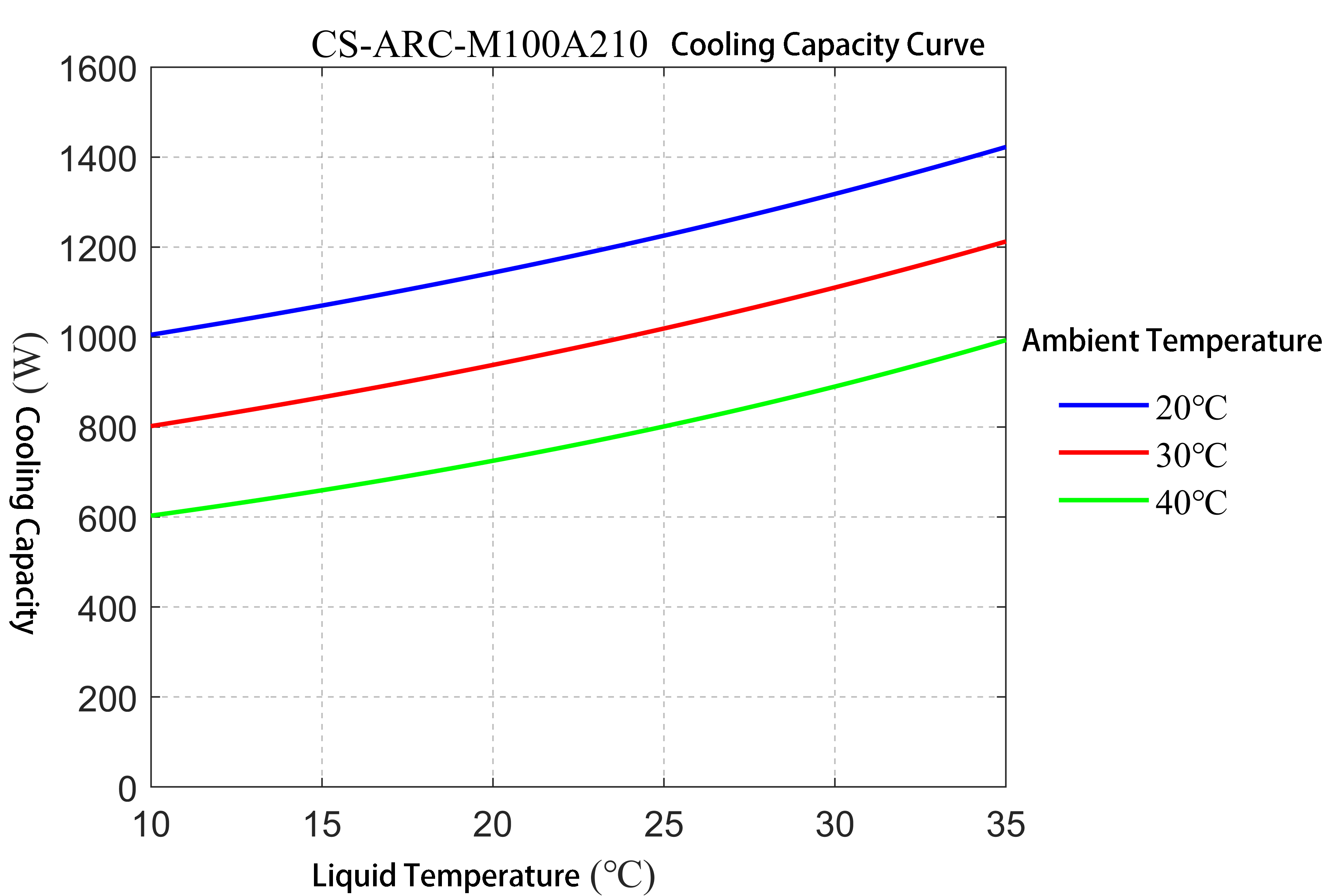
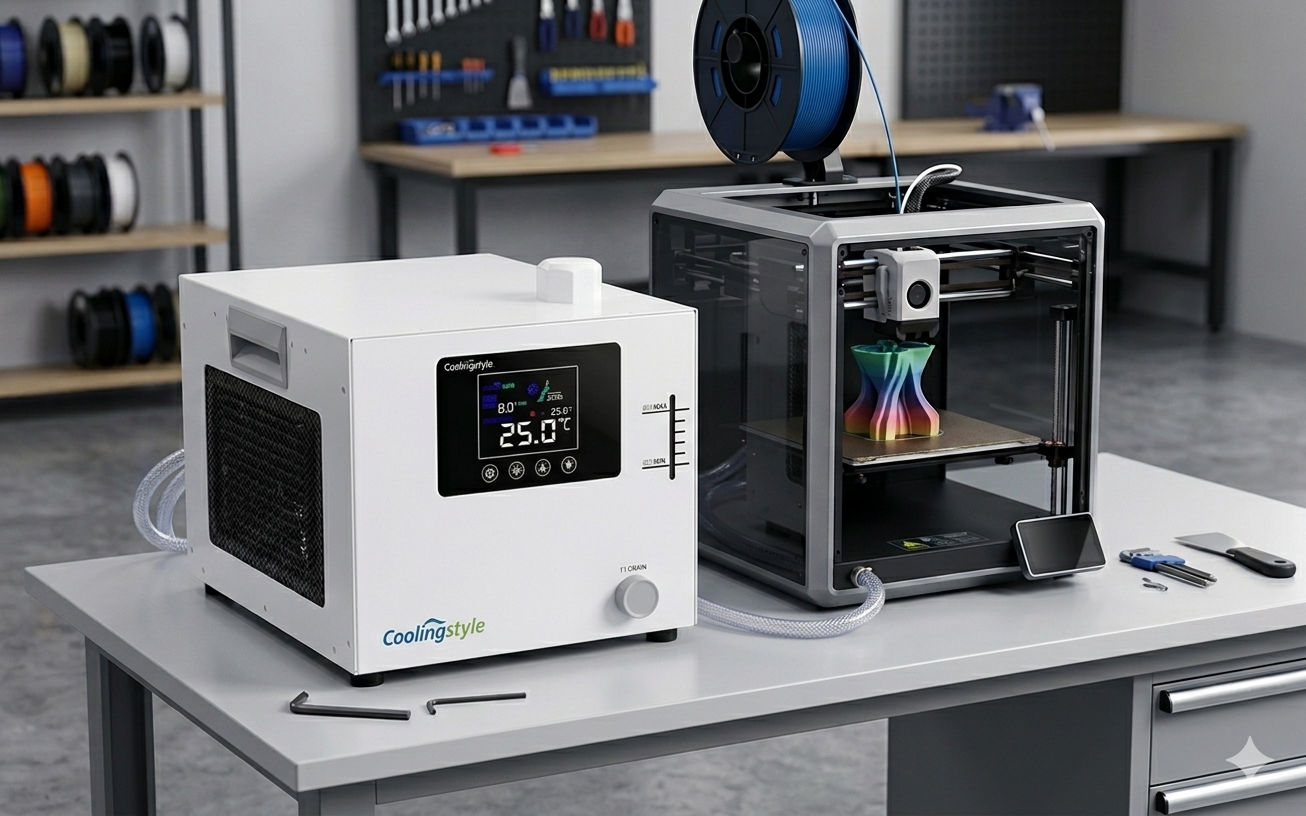
This is where advanced cooling solutions come into play. In questo articolo, we explore how a 3Dispositivo di raffreddamento della stampante D directly impacts production costs and why solutions like stile di raffreddamento- con Precisione di ±0,01°C, microdesign compatto, refrigerante ecologico R290, e tecnologia di scambio termico a microcanali—can dramatically improve efficiency and profitability.
Understanding Production Costs in 3D Printing
Production costs in 3D printing typically include:
- Material costs
- Energy consumption
- Machine maintenance
- Labor costs
- Failure and reprint costs
Temperature control affects nearly all of these factors.
The Hidden Cost of Poor Cooling
1. Print Failures
Unstable temperatures can cause warping, separazione degli strati, and incomplete prints.
2. Material Waste
Failed prints lead to wasted materials, increasing operational costs.
3. Increased Downtime
Overheating can cause system shutdowns and delays.
4. Equipment Wear
Thermal stress shortens the lifespan of components.
These hidden costs can accumulate quickly over time.
How Chillers Reduce Production Costs
Controllo preciso della temperatura
Sistemi avanzati come refrigeratore solutions maintain stable temperatures, reducing errors and inconsistencies.
Tassi di fallimento più bassi
Consistent cooling minimizes defects, reducing the need for reprints.
Improved Energy Efficiency
Efficient systems consume less power, lowering electricity bills.
Durata delle attrezzature estese
Reduced thermal stress leads to fewer repairs and replacements.
Cost Savings Breakdown
| Cost Factor | Without Chiller | With Chiller |
|---|---|---|
| Failure Rate | Alto | Basso |
| Material Waste | Significant | Minimal |
| Consumo energetico | Più alto | Optimized |
| Maintenance Costs | Frequent | Reduced |
Il vantaggio dello stile di raffreddamento
stile di raffreddamento is designed to maximize efficiency while minimizing costs.
Core Benefits:
- Controllo della temperatura ad altissima precisione (±0,01°C)
- Compact micro design for efficient operation
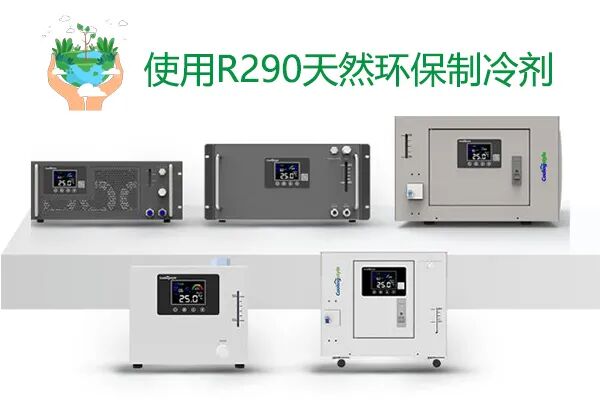
- Eco-friendly R290 refrigerant for reduced energy consumption
- Tecnologia avanzata di scambio termico a microcanali
- Prestazioni affidabili per il funzionamento continuo
These features directly contribute to cost savings and improved ROI.
Real-World Impact on Production Costs
Produzione industriale
Lower failure rates and energy savings significantly reduce operational costs.
Prototyping Labs
Consistent results reduce time and material waste.
High-Volume Production
Efficient cooling supports continuous, cost-effective production.
Integrazione di un professionista refrigeratore system can transform cost efficiency in these environments.
ROI of Investing in a Chiller
While chillers require an upfront investment, the return on investment can be substantial:
- Reduced reprint costs
- Lower energy bills
- Decreased maintenance expenses
- Aumento della produttività
Col tempo, these savings outweigh the initial cost.
Best Practices for Cost Optimization
- Use high-efficiency cooling systems
- Monitorare regolarmente la temperatura
- Eseguire la manutenzione ordinaria
- Optimize printing parameters
Errori comuni da evitare
- Ignoring cooling system performance
- Using inadequate cooling solutions
- Overlooking long-term costs
- Trascurare la manutenzione
Future Trends in Cost-Efficient Cooling
- Sistemi di raffreddamento intelligenti con automazione
- More energy-efficient designs
- Adozione di refrigeranti ecologici
- Integration with cost-monitoring tools
Conclusione
A 3D printer chiller is not just a cooling device—it is a strategic investment that directly impacts production costs. By improving temperature stability, reducing failures, and enhancing energy efficiency, chillers play a crucial role in optimizing operations.
Con il suo 0.01Precisione in °C, design compatto, refrigerante ecologico R290, e tecnologia di scambio termico a microcanali, stile di raffreddamento offers a powerful solution for reducing costs and improving performance.
If you are looking to maximize efficiency and profitability, investing in a high-quality chiller system is one of the smartest decisions you can make.