In the rapidly evolving world of 3D printing, achieving consistent and high-quality results remains a top priority for professionals and businesses alike. However, one persistent challenge continues to affect productivity and output quality: print failures.
While many factors contribute to failed prints, one of the most critical yet often overlooked elements is temperature control. Without a proper cooling system, even the most advanced printers can produce inconsistent results.
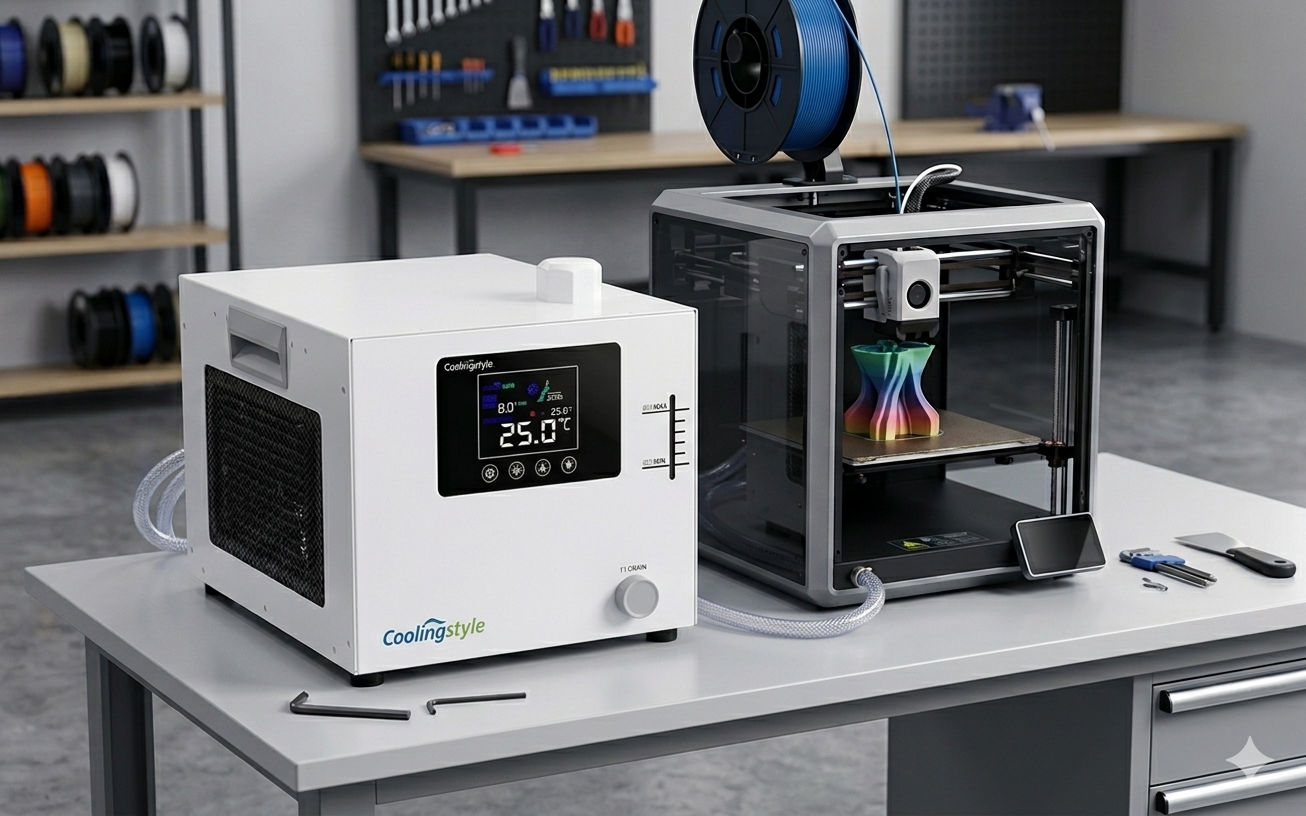
In this comprehensive guide, we will explore how proper cooling systems prevent print failures and how advanced solutions like coolingstyle—featuring ±0.01°C precision, compact micro design, eco-friendly R290 refrigerant, and microchannel heat exchange technology—can significantly improve your 3D printing performance.
Understanding the Causes of Print Failures
Print failures can occur due to a variety of reasons, but many are directly related to thermal instability.
Common Causes Include:
- Temperature fluctuations
- Overheating components
- Uneven cooling
- Material inconsistencies
- Environmental changes
Without proper cooling, these issues become more frequent and harder to control.
Why Cooling Systems Are Essential
A reliable cooling system ensures that your 3D printer operates within optimal temperature ranges at all times.
- Maintains stable extrusion temperatures
- Prevents overheating
- Improves layer adhesion
- Enhances dimensional accuracy
- Reduces material waste
Investing in a high-quality Chiller is one of the most effective ways to improve print reliability.
Types of Cooling Systems in 3D Printing
Air Cooling
Air cooling systems use fans to dissipate heat. While cost-effective, they often lack precision and consistency.
Water Cooling
Water cooling systems circulate coolant to remove heat more efficiently, offering better performance than air cooling.
Chiller-Based Cooling
Dedicated chillers provide precise temperature control and are ideal for high-performance and continuous printing environments.
Advanced systems like Chiller solutions deliver superior stability and efficiency compared to traditional methods.
How Proper Cooling Prevents Print Failures
1. Eliminates Temperature Fluctuations
Consistent temperature is crucial for material behavior. A stable cooling system ensures uniform extrusion and curing.
2. Prevents Overheating
Overheating can cause component damage and print defects. Efficient cooling removes excess heat effectively.
3. Improves Material Performance
Different materials require specific temperature ranges. Proper cooling ensures optimal conditions for each material.
4. Supports Long Print Jobs
For extended printing sessions, stable cooling prevents cumulative thermal issues.
The coolingstyle Advantage
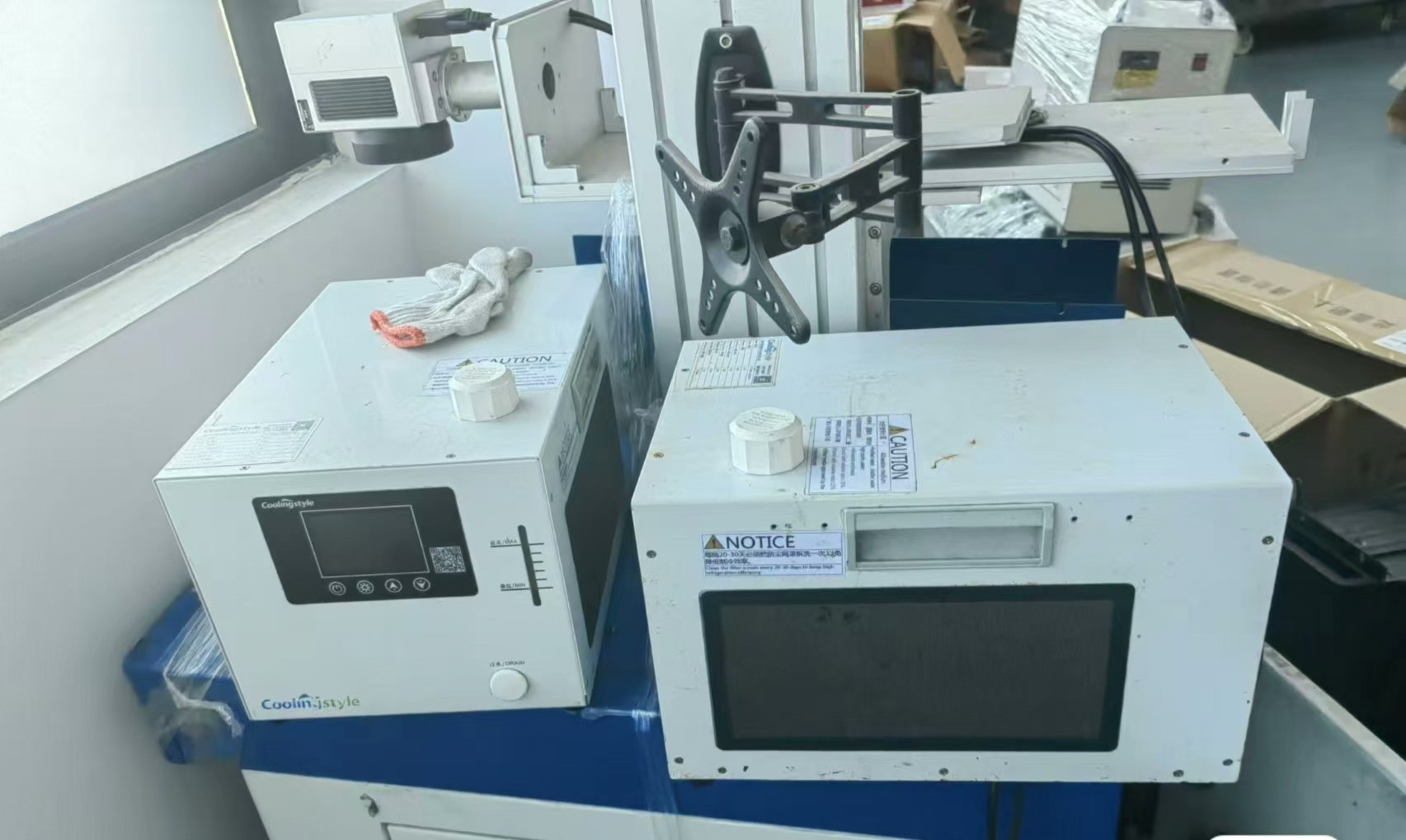
coolingstyle is designed to address the most critical challenges in 3D printing cooling.
Key Features:
- Ultra-high precision temperature control (±0.01°C)
- Compact micro design for easy integration
- Eco-friendly R290 refrigerant
- Advanced microchannel heat exchange technology
- Energy-efficient and reliable performance
By combining these technologies, coolingstyle provides a comprehensive solution for preventing print failures.
Real-World Benefits of Using a Chiller
Higher Success Rates
Stable temperatures lead to fewer failed prints and higher productivity.
Cost Savings
Reduced material waste and maintenance costs improve overall profitability.
Better Print Quality
Consistent cooling enhances surface finish and dimensional accuracy.
Scalability
Reliable cooling supports business growth and increased production demands.
For businesses looking to scale, adopting a professional Chiller system is a strategic investment.
Best Practices for Optimizing Cooling
- Monitor temperature regularly
- Ensure proper ventilation
- Use high-quality coolant
- Maintain equipment regularly
- Choose the right cooling system for your setup
Common Mistakes to Avoid
- Relying solely on air cooling
- Ignoring temperature fluctuations
- Using incompatible cooling systems
- Neglecting maintenance
Future Trends in Cooling Technology
- Smart cooling systems with real-time monitoring
- Compact high-performance chillers
- Increased use of eco-friendly refrigerants
- Integration with automated printing workflows
Conclusion
Preventing print failures requires more than just fine-tuning print settings—it demands a reliable and precise cooling system.
By maintaining stable temperatures, reducing overheating, and improving material performance, a high-quality chiller plays a critical role in achieving consistent results.
With its 0.01°C precision, compact design, eco-friendly R290 refrigerant, and microchannel heat exchange technology, coolingstyle offers a powerful solution for modern 3D printing challenges.
Investing in proper cooling is not just about avoiding failures—it’s about unlocking the full potential of your 3D printing setup.