As industrial equipment becomes smaller, more powerful, and more integrated, thermal management solutions must evolve accordingly. Many engineers and system designers are now asking an important question: should they choose a traditional chiller or a modern cooling unit?
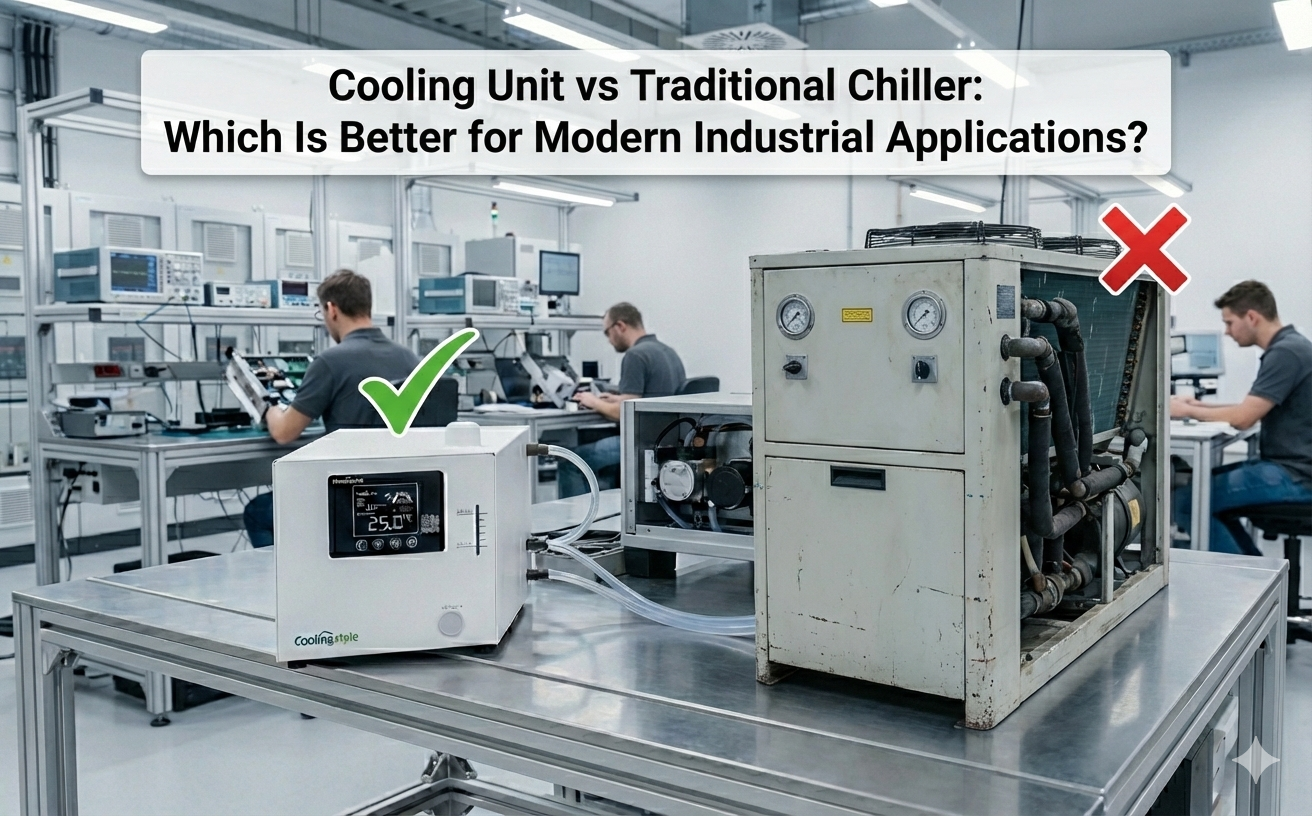
This article compares cooling units and traditional chillers from a technical, operational, and application-based perspective, helping decision-makers select the most suitable solution for their systems.
1. Understanding the Difference Between a Cooling Unit and a Chiller
1.1 What Is a Traditional Chiller?
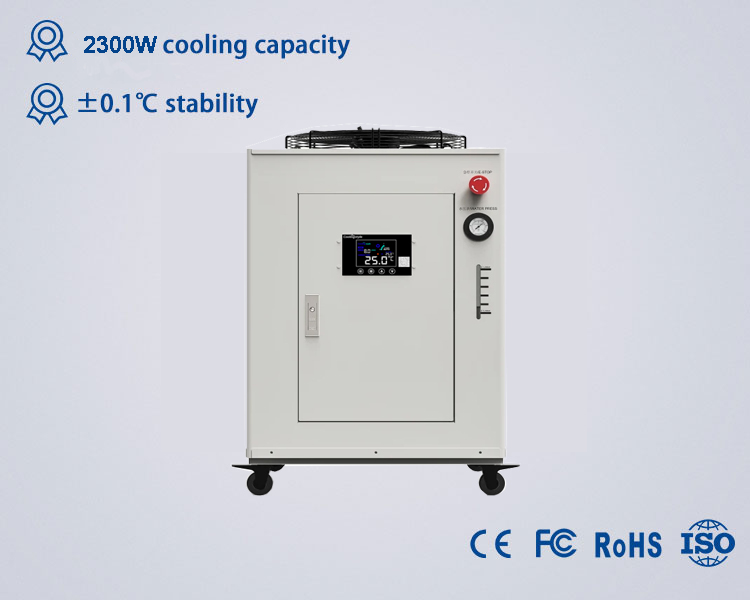
A traditional chiller is typically a centralized cooling system designed to provide large cooling capacity for factories, buildings, or multiple machines. It often features a large footprint, high water flow, and centralized piping.
1.2 What Is a Cooling Unit?
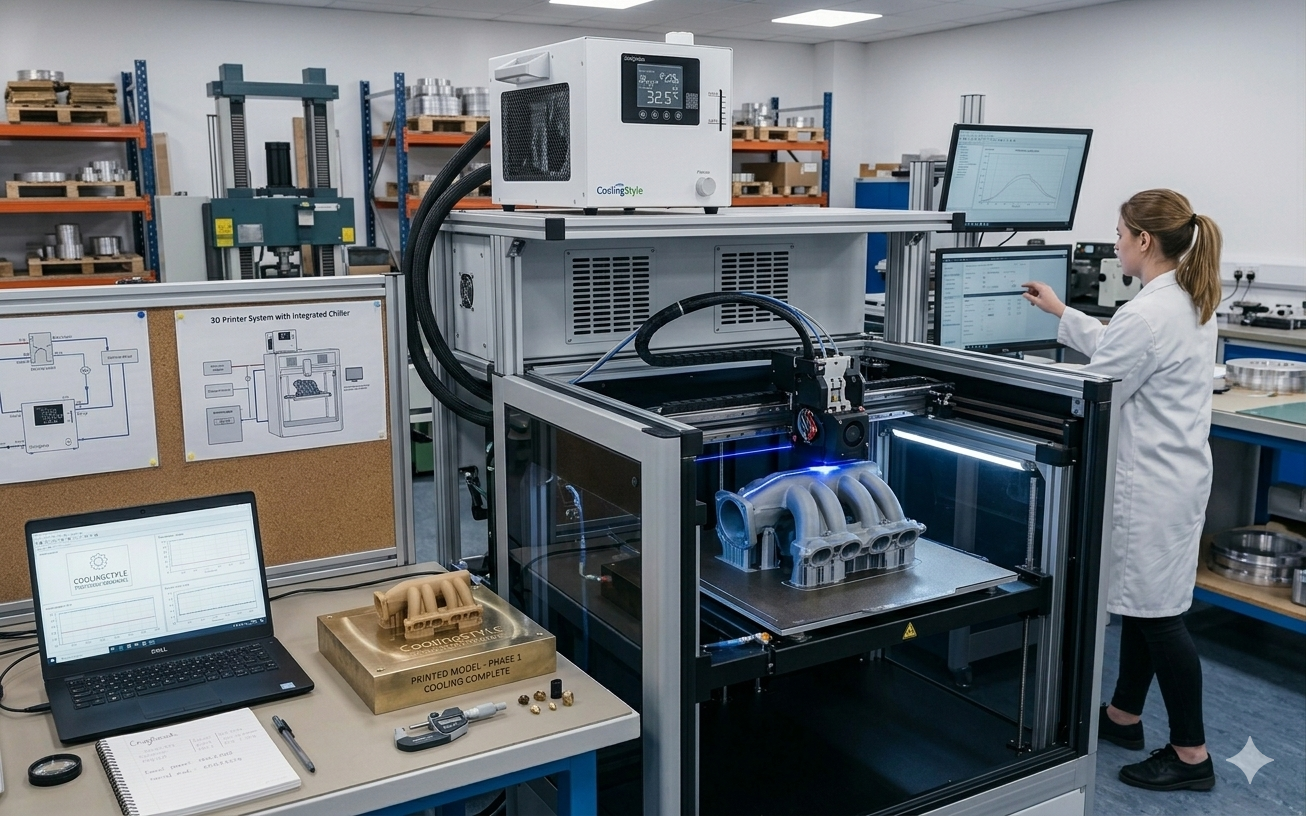
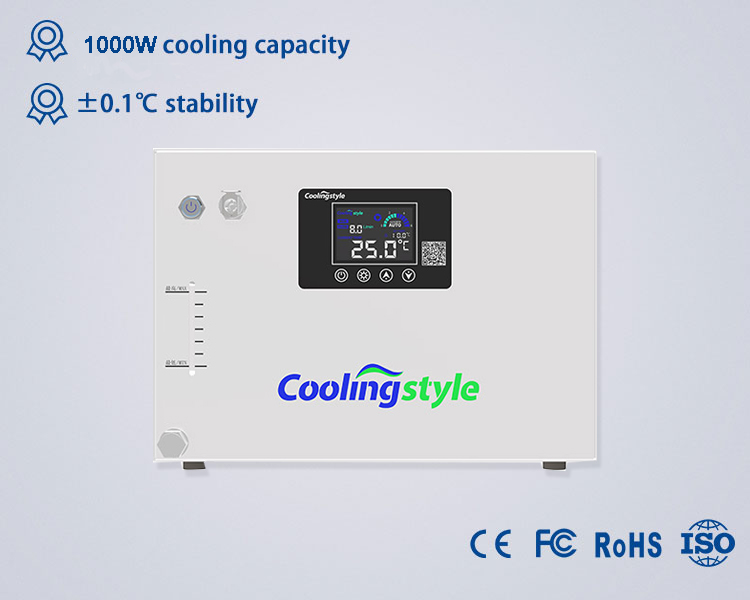
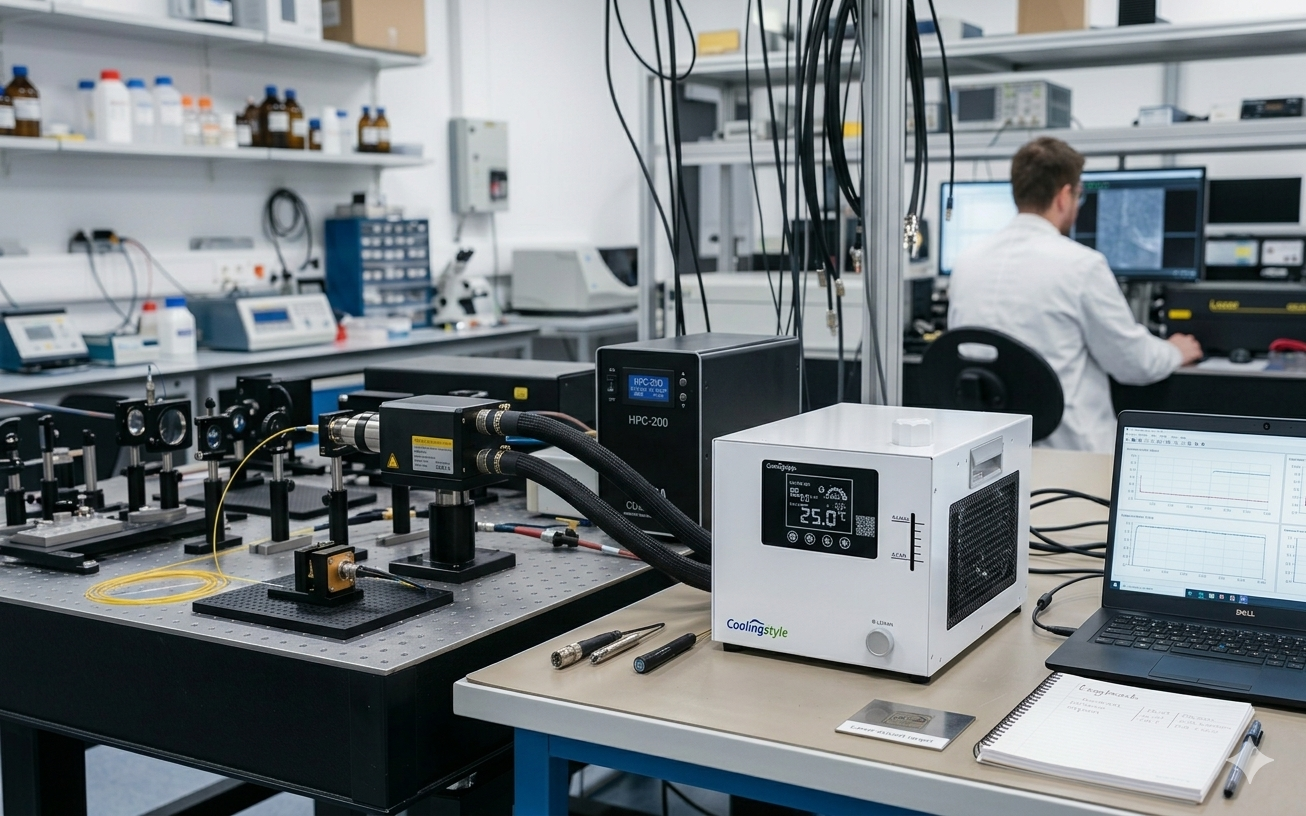
A cooling unit is a compact, self-contained thermal management system designed for localized, high-precision cooling. It is commonly integrated directly into equipment such as lasers, semiconductor tools, medical devices, and power electronics.
2. Key Differences at a Glance
| Feature | Cooling Unit | Traditional Chiller |
|---|---|---|
| System Size | Compact, equipment-level | Large, centralized |
| Temperature Precision | High precision control | Moderate precision |
| Integration | Direct OEM integration | External piping required |
| Energy Efficiency | Optimized for localized loads | Designed for large-scale loads |
| Flexibility | Highly customizable | Limited customization |
3. When a Cooling Unit Is the Better Choice
A cooling unit is the preferred solution in applications that require precise temperature control, compact installation, and direct system integration.
- Laser systems and optical equipment
- Semiconductor manufacturing tools
- Medical and laboratory devices
- Power electronics and inverters
- OEM equipment with limited space
4. Limitations of Traditional Chillers in Modern Equipment
While traditional chillers remain effective for large-scale cooling, they may present challenges for modern precision equipment:
- Oversized capacity for localized heat sources
- Complex piping and installation
- Slower thermal response
- Higher energy consumption for small loads
5. Coolingstyle Cooling Unit Advantages
- High-precision temperature control for sensitive components
- Compact and modular design suitable for OEM integration
- Fast thermal response to dynamic load changes
- Custom engineering support for specialized applications
- Reliable long-term operation in industrial environments
6. Choosing the Right Solution
The choice between a traditional chiller and a cooling unit depends on system size, precision requirements, installation constraints, and long-term operational goals.
For modern equipment requiring localized, efficient, and precise thermal management, a cooling unit offers clear advantages.
Conclusion
Cooling units and traditional chillers serve different purposes in industrial cooling. As equipment continues to evolve toward compact and high-performance designs, the cooling unit has become the preferred solution for precision-focused applications. Coolingstyle delivers advanced cooling unit solutions tailored to the needs of modern industries.