As 3D printing continues to scale across industries—from prototyping labs to full-scale manufacturing—energy consumption has become a critical consideration. Businesses are no longer focused solely on print speed and quality; they are also seeking ways to reduce operational costs and environmental impact.
One of the most effective ways to achieve both goals is by optimizing cooling system efficiency. Modern 3D printer chillers are designed not only to provide precise temperature control but also to maximize energy efficiency.
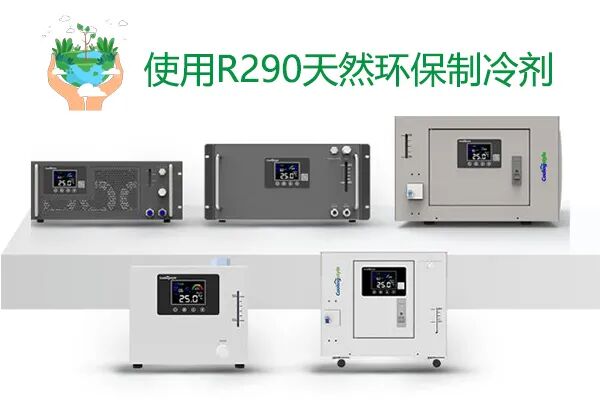
In this comprehensive guide, we explore the energy efficiency of modern 3D printer chillers and explain how advanced solutions like coolingstyle—featuring ±0.01°C precision, compact micro design, eco-friendly R290 refrigerant, and microchannel heat exchange technology—deliver superior performance while minimizing energy consumption.
Why Energy Efficiency Matters in 3D Printing
Energy costs can represent a significant portion of operational expenses in 3D printing, especially in industrial and high-volume environments.
Key Reasons to Focus on Efficiency:
- Reduce electricity costs
- Improve overall system performance
- Support sustainability goals
- Enhance equipment lifespan
Efficient cooling systems play a major role in achieving these objectives.
How Chillers Consume Energy
Chillers use energy primarily for:
- Compressors
- Pumps
- Fans or heat exchangers
The efficiency of these components determines overall energy consumption.
High-performance systems like Chiller solutions are designed to optimize each of these elements.
Key Factors Affecting Chiller Energy Efficiency
1. Temperature Precision
More precise control reduces unnecessary energy usage. Systems with ±0.01°C precision avoid overcooling or overheating.
2. Heat Exchange Technology
Efficient heat transfer minimizes energy required to maintain temperature.
3. Refrigerant Type
Eco-friendly refrigerants like R290 improve efficiency and reduce environmental impact.
4. System Design
Compact and optimized designs reduce energy loss.
The Role of Microchannel Heat Exchange
One of the most important innovations in modern chillers is microchannel heat exchange technology.
- Improves heat transfer efficiency
- Reduces refrigerant usage
- Lowers energy consumption
- Enhances overall system performance
This technology is a core feature of advanced Chiller systems.
Benefits of Energy-Efficient Chillers
Lower Operating Costs
Reduced energy consumption translates directly into cost savings.
Improved Sustainability
Eco-friendly systems help reduce carbon footprint.
Better Performance
Efficient systems maintain stable temperatures with less effort.
Longer Equipment Lifespan
Reduced strain on components extends system life.
The coolingstyle Advantage
coolingstyle is engineered to deliver both high performance and exceptional energy efficiency.
Key Features:
- Ultra-high precision temperature control (±0.01°C)
- Compact micro design for reduced energy loss
- Eco-friendly R290 refrigerant
- Advanced microchannel heat exchange technology
- Energy-efficient and reliable operation
These features ensure optimal performance with minimal energy consumption.
Comparing Traditional vs Modern Chillers
| Feature | Traditional Chillers | Modern Chillers |
|---|---|---|
| Energy Efficiency | Moderate | High |
| Temperature Precision | Low | Ultra-high |
| Environmental Impact | Higher | Lower |
| Operating Cost | Higher | Lower |
Applications That Benefit Most
Industrial 3D Printing
Continuous operation requires efficient cooling to reduce costs.
High-Speed Printing
Efficient systems support rapid production without excessive energy use.
Large-Format Printing
Energy-efficient cooling is essential for long print durations.
For these applications, integrating a professional Chiller system is highly recommended.
Best Practices for Maximizing Efficiency
- Regular maintenance
- Optimize system settings
- Ensure proper installation
- Monitor energy usage
Common Mistakes to Avoid
- Using outdated cooling systems
- Ignoring energy efficiency ratings
- Overcooling unnecessarily
- Neglecting maintenance
Future Trends in Energy-Efficient Cooling
- Smart energy management systems
- More compact and efficient designs
- Wider adoption of eco-friendly refrigerants
- Integration with AI-driven manufacturing
Conclusion
Energy efficiency is becoming a key factor in the success of modern 3D printing operations. By optimizing cooling systems, businesses can reduce costs, improve performance, and support sustainability goals.
Advanced chillers provide the precision and efficiency needed for modern applications. With its 0.01°C precision, compact design, eco-friendly R290 refrigerant, and microchannel heat exchange technology, coolingstyle delivers a powerful solution that combines performance with energy savings.
Investing in energy-efficient cooling is not just a smart choice—it’s a strategic advantage in today’s competitive landscape.