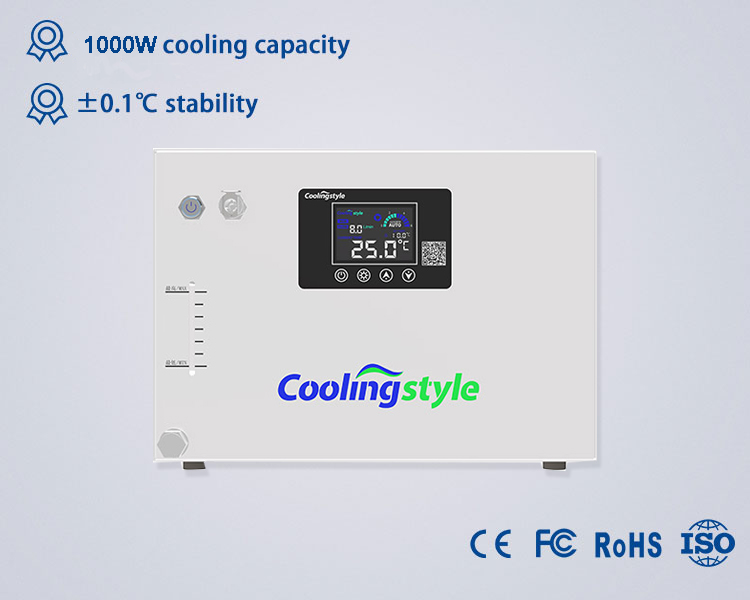
The rapid expansion of data centers and artificial intelligence (AI) computing has dramatically increased power density in modern electronic systems. High-performance servers, GPUs, and AI accelerators generate substantial heat during continuous operation. A reliable cooling unit is essential to maintain system stability, efficiency, and long-term reliability.
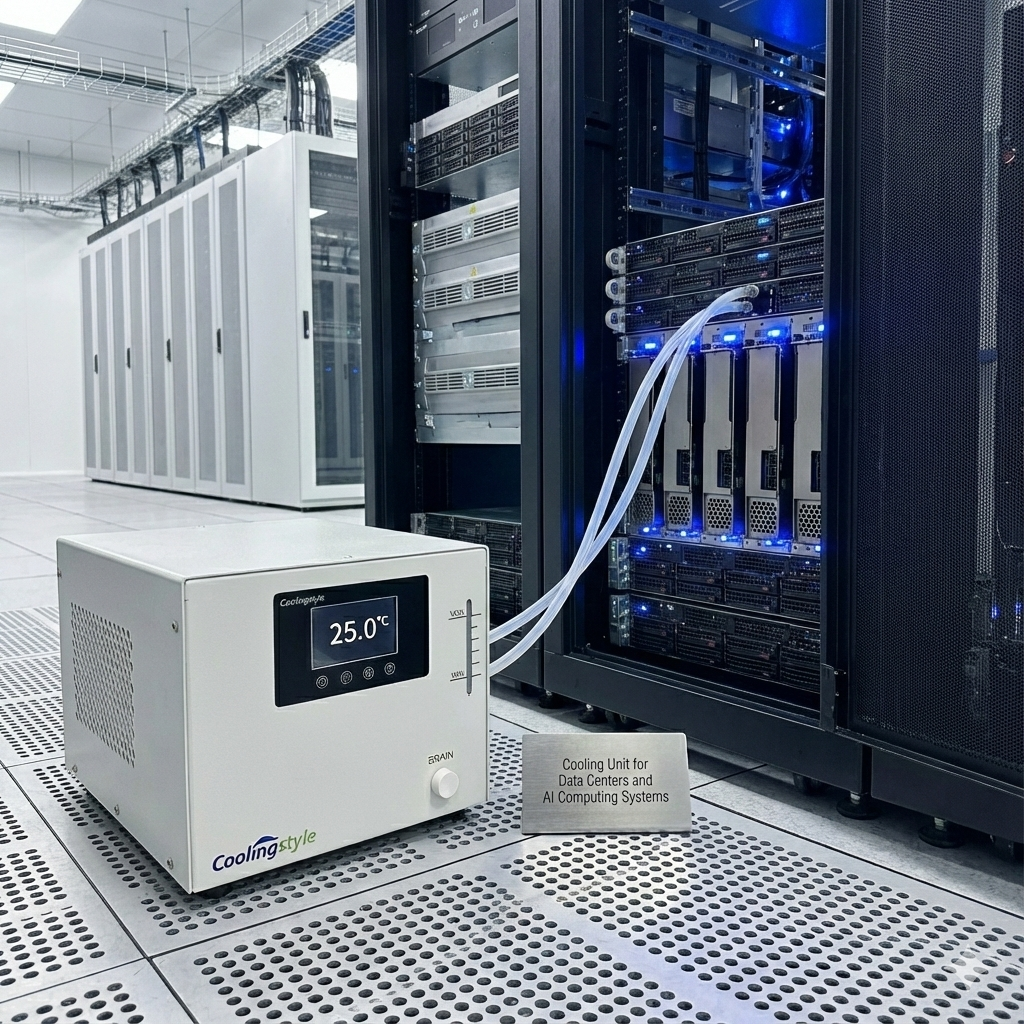
Coolingstyle develops high-precision cooling units designed to meet the demanding thermal management requirements of data centers and AI computing infrastructure. This article explores how advanced cooling units support high-power electronics and enable stable, energy-efficient operation.
1. Thermal Challenges in Data Centers and AI Systems
Modern data centers face unprecedented thermal loads due to high-density computing and continuous workloads.
- High heat output from CPUs, GPUs, and AI accelerators
- Uneven temperature distribution across server racks
- Thermal stress impacting electronic reliability
- Rising energy consumption for cooling
A high-performance cooling unit helps address these challenges by maintaining stable and controlled operating temperatures.
2. Applications of Cooling Units in High-Power Computing
2.1 AI Servers and High-Performance Computing (HPC)
AI training and inference workloads generate sustained thermal loads. Precision cooling units help maintain optimal temperatures for processors, ensuring consistent performance and reduced throttling.
2.2 Edge Data Centers and Modular Infrastructure
Compact data centers and edge computing systems require space-efficient cooling solutions. Compact cooling units integrate easily into modular systems.
2.3 Power Electronics and Control Systems
In addition to servers, power distribution and control electronics generate heat that must be managed to ensure system reliability.
3. Key Requirements for Data Center Cooling Units
Cooling units designed for data centers and AI systems must meet specific technical and operational requirements.
- High cooling capacity with scalable design
- Precise temperature control for sensitive electronics
- Energy-efficient operation to reduce operational costs
- High reliability for 24/7 operation
Coolingstyle cooling units are engineered to meet these requirements while supporting efficient system integration.
4. Benefits of Coolingstyle Cooling Units for Computing Infrastructure
- Improved thermal stability for consistent system performance
- Reduced energy consumption through efficient cooling design
- Compact and modular solutions for scalable deployments
- Extended equipment lifespan by minimizing thermal stress
- Enhanced system reliability in continuous operation environments
5. Coolingstyle Engineering Expertise
5.1 Advanced Thermal Control Architecture
Coolingstyle cooling units use intelligent control systems to maintain stable temperatures under varying computing loads.
5.2 Custom Solutions for Data Center Operators
Coolingstyle offers customized cooling units tailored to specific server architectures, power densities, and deployment environments.
5.3 Reliability and Safety Design
Built-in protection features safeguard computing equipment against overheating and thermal failure.
6. Future Trends in Data Center Cooling
As computing workloads continue to grow, cooling technology will play a crucial role in enabling sustainable data center operation.
- Higher efficiency cooling for AI-intensive workloads
- Integration with intelligent monitoring systems
- Compact cooling solutions for edge computing
- Improved energy efficiency and sustainability
Conclusion
A high-performance cooling unit is essential for maintaining stability and efficiency in data centers and AI computing systems. With advanced engineering, energy-efficient design, and customization capabilities, Coolingstyle cooling units provide reliable thermal management solutions for modern high-power computing environments.