This FAQ guide answers the most common questions about cooling units, helping engineers, OEM manufacturers, and system integrators better understand how cooling units work, how to select them, and how they are applied in modern industries.
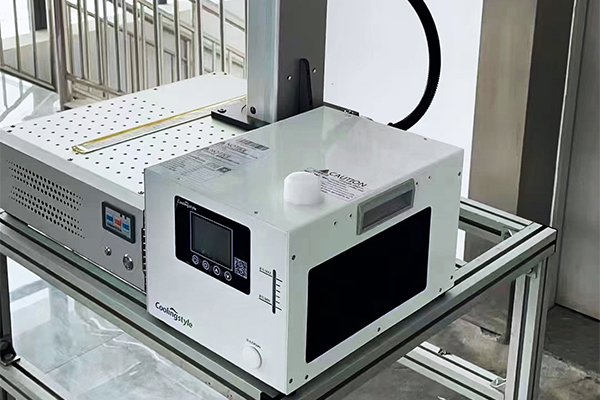
1. What is a cooling unit?
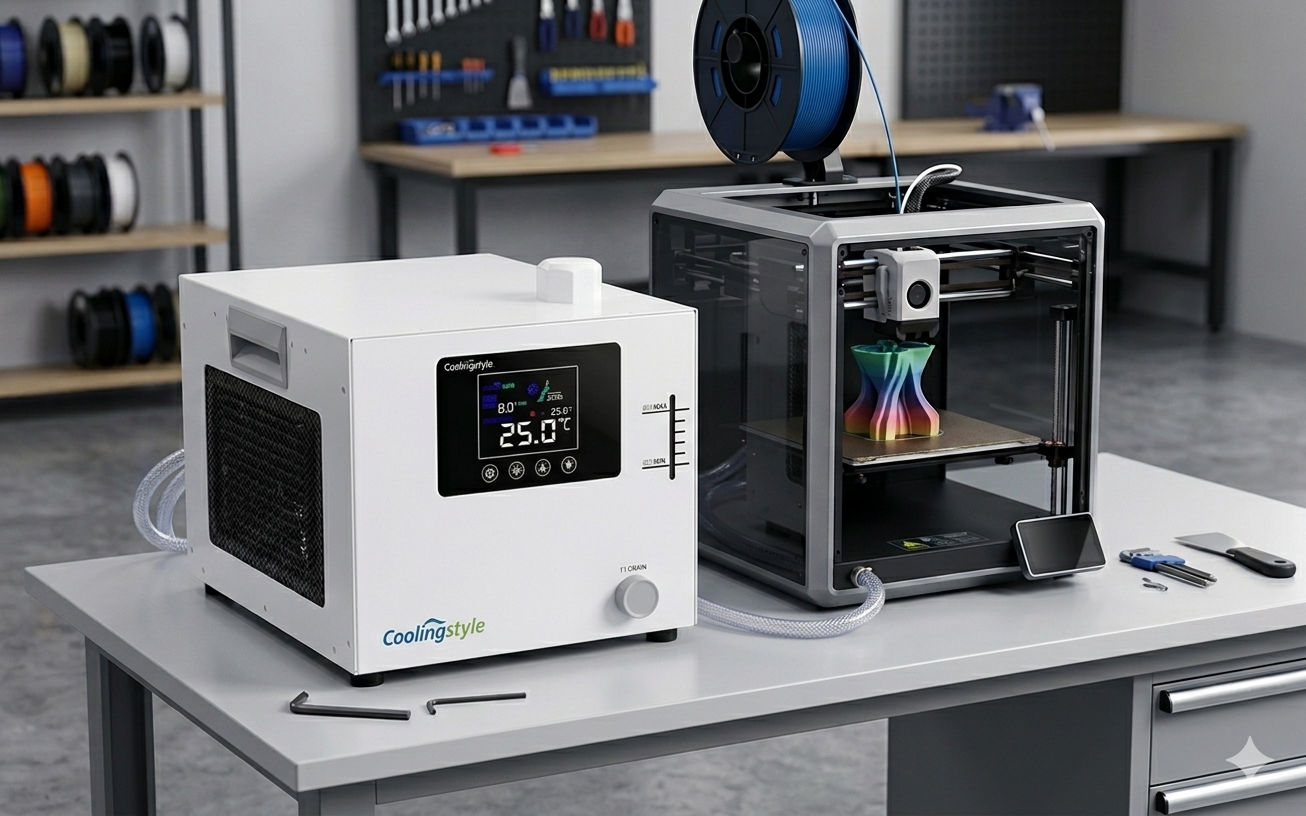
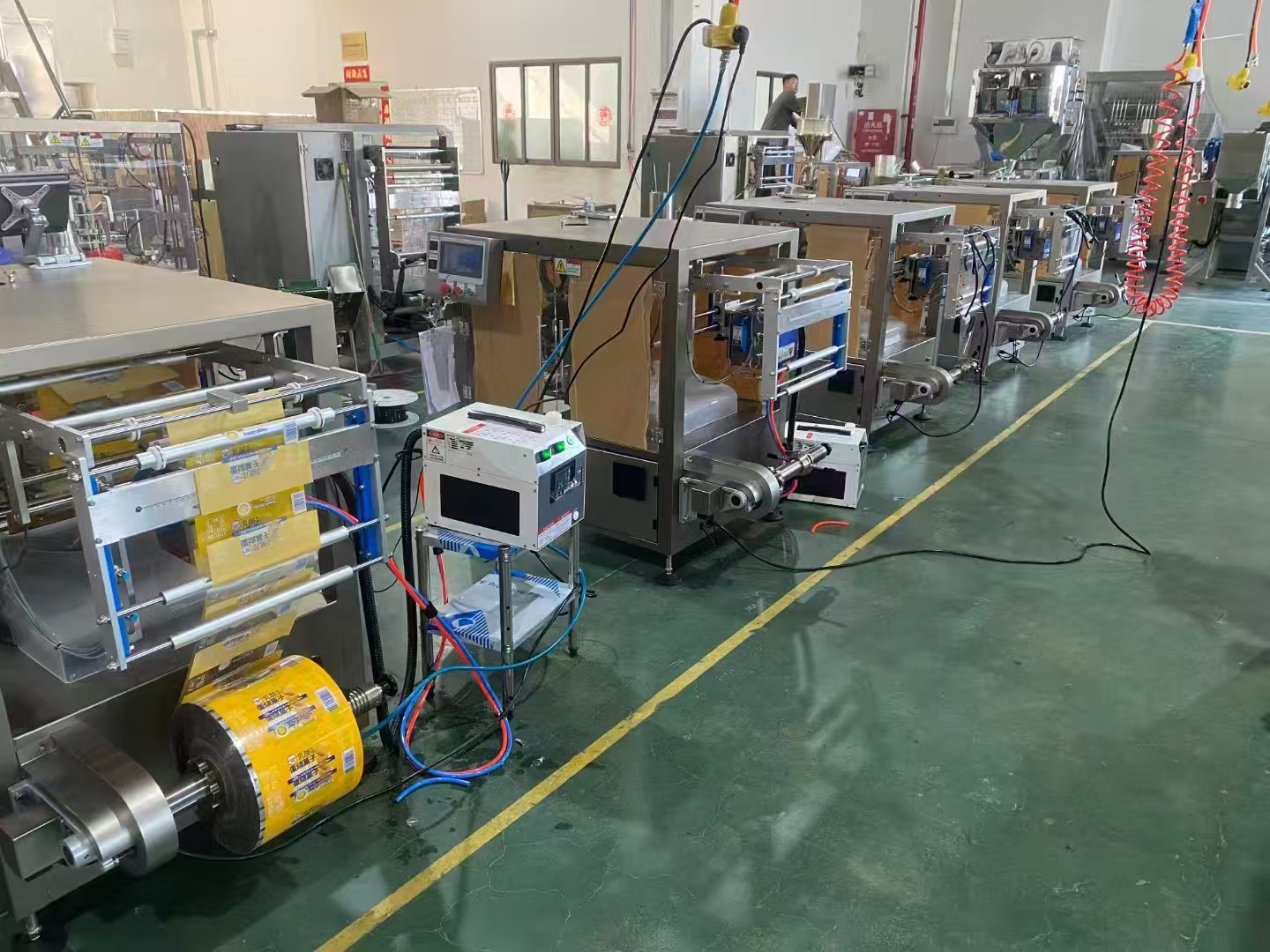
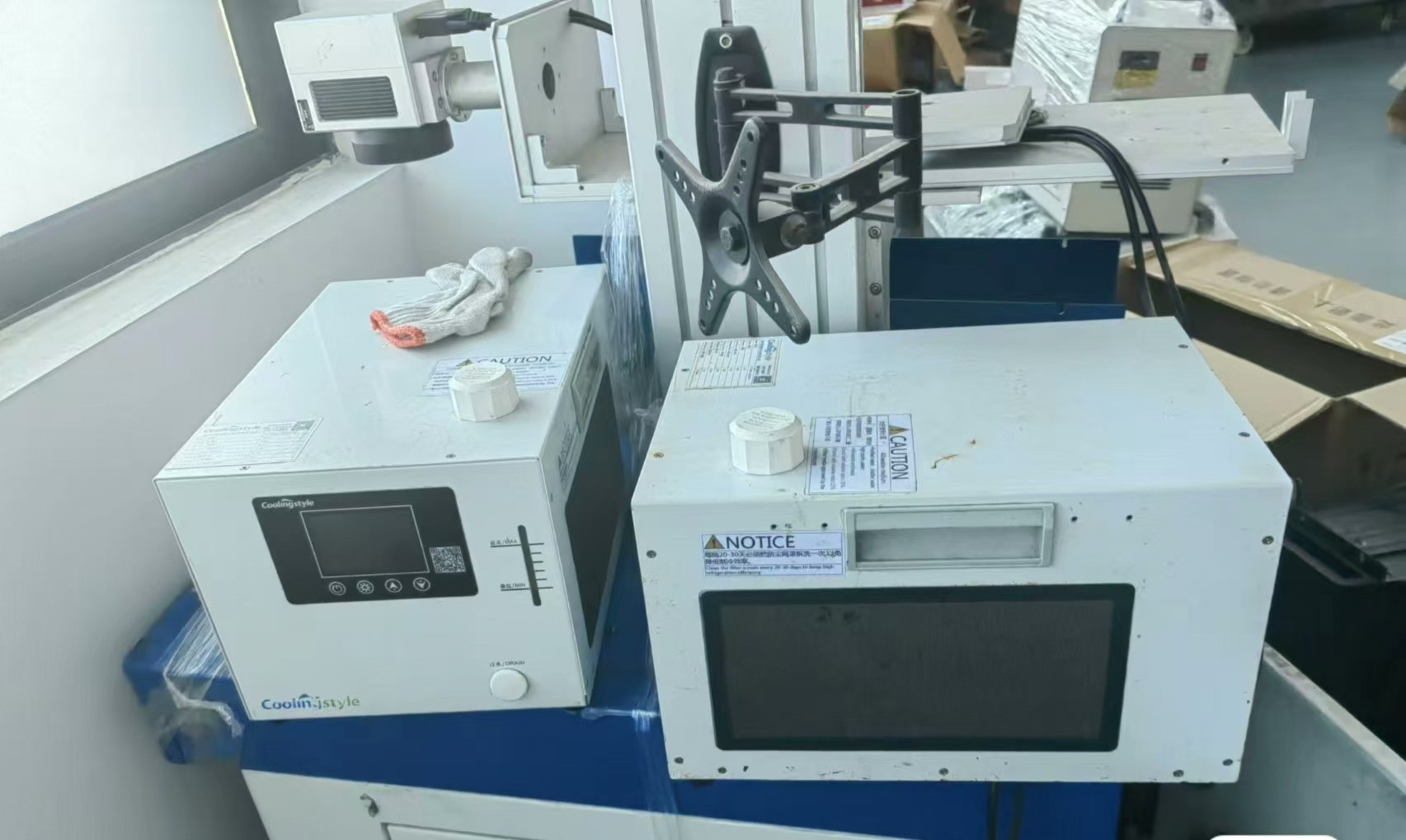
A cooling unit is a compact, self-contained thermal management system designed to remove heat from specific equipment or components. Unlike centralized chillers, cooling units provide localized and precise temperature control.
2. What is the difference between a cooling unit and a chiller?
Cooling units are typically smaller, more precise, and designed for direct integration into equipment, while chillers are larger systems intended for centralized cooling of multiple machines or facilities.
3. What applications require a cooling unit?
- Laser systems and optical equipment
- Semiconductor manufacturing tools
- Medical and laboratory devices
- Power electronics and inverters
- OEM industrial equipment
4. How do I choose the right cooling unit?
Key factors include heat load, temperature range, required precision, installation space, operating environment, and integration requirements. Coolingstyle provides customized guidance for selecting the optimal cooling unit.
5. What temperature precision can a cooling unit achieve?
High-quality cooling units can achieve precise temperature control suitable for sensitive applications. Coolingstyle cooling units are designed to support high-stability thermal performance for demanding environments.
6. Are cooling units customizable?
Yes. Many applications require custom cooling solutions. Coolingstyle specializes in customized cooling unit designs tailored to specific system layouts, thermal loads, and performance requirements.
7. What is the typical lifespan of a cooling unit?
With proper design, installation, and maintenance, a cooling unit can operate reliably for many years in industrial environments.
8. Are cooling units energy efficient?
Modern cooling units are optimized for energy efficiency by matching cooling capacity to actual thermal demand, reducing unnecessary power consumption.
9. Can a cooling unit operate continuously?
Yes. Industrial-grade cooling units are designed for continuous 24/7 operation, provided they are properly specified and maintained.
10. What maintenance is required for a cooling unit?
Routine maintenance typically includes checking coolant quality, cleaning filters, inspecting connections, and monitoring system performance.
11. Are cooling units suitable for harsh industrial environments?
Cooling units can be designed with industrial-grade components and protective features to operate reliably in challenging environments.
12. Can cooling units be integrated with control systems?
Yes. Cooling units can support integration with PLCs, industrial controllers, and monitoring systems for real-time temperature management.
13. How does Coolingstyle support cooling unit projects?
Coolingstyle provides engineering consultation, customized design, manufacturing, and long-term technical support for cooling unit applications.
14. What industries commonly use Coolingstyle cooling units?
Industries include laser processing, semiconductors, medical equipment, research laboratories, power electronics, and industrial automation.
Conclusion
This FAQ resource provides a comprehensive overview of cooling units and their applications. For advanced cooling requirements, Coolingstyle offers precision-engineered cooling unit solutions tailored to modern industrial needs.