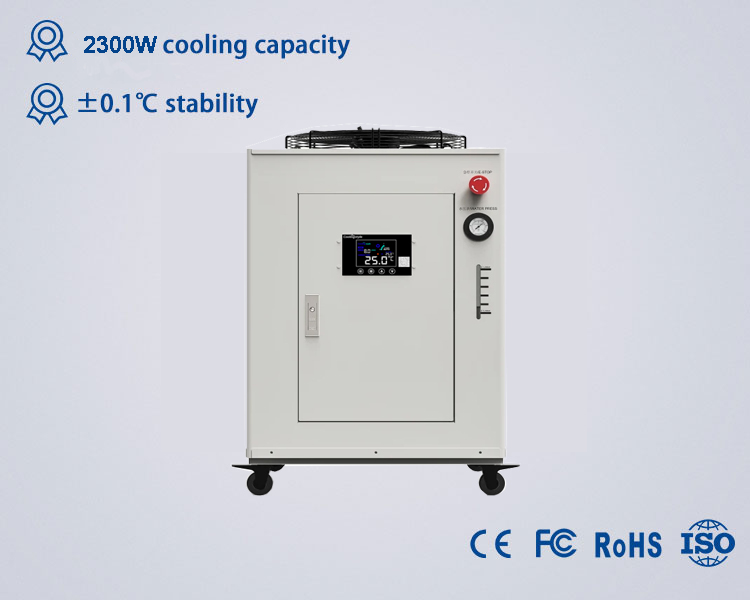
Laboratory analytical instruments are essential tools in scientific research, quality control, and industrial testing. These instruments often operate with highly sensitive components, including detectors, light sources, and precision electronics. Stable thermal management is critical to ensuring measurement accuracy, repeatability, and long-term reliability. A high-performance cooling unit plays a vital role in maintaining optimal operating conditions.
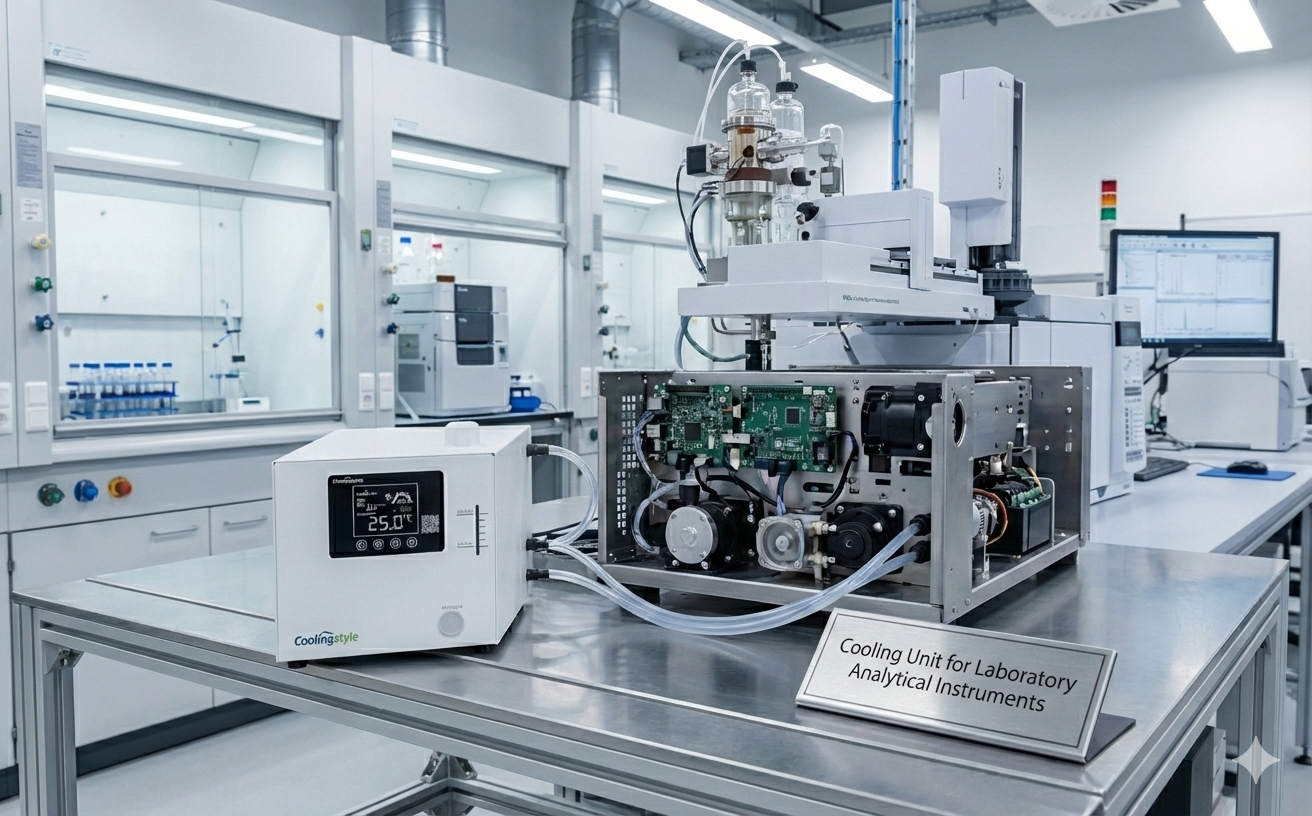
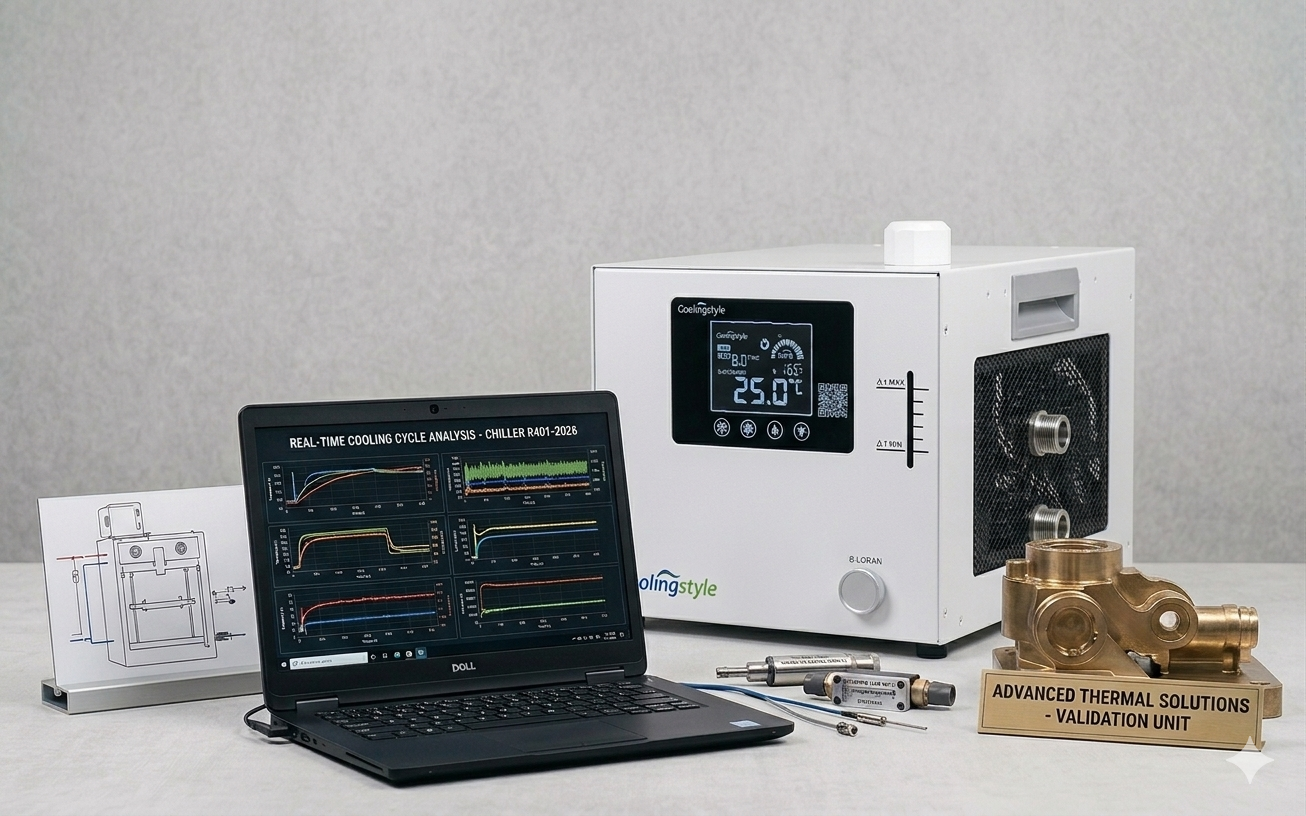
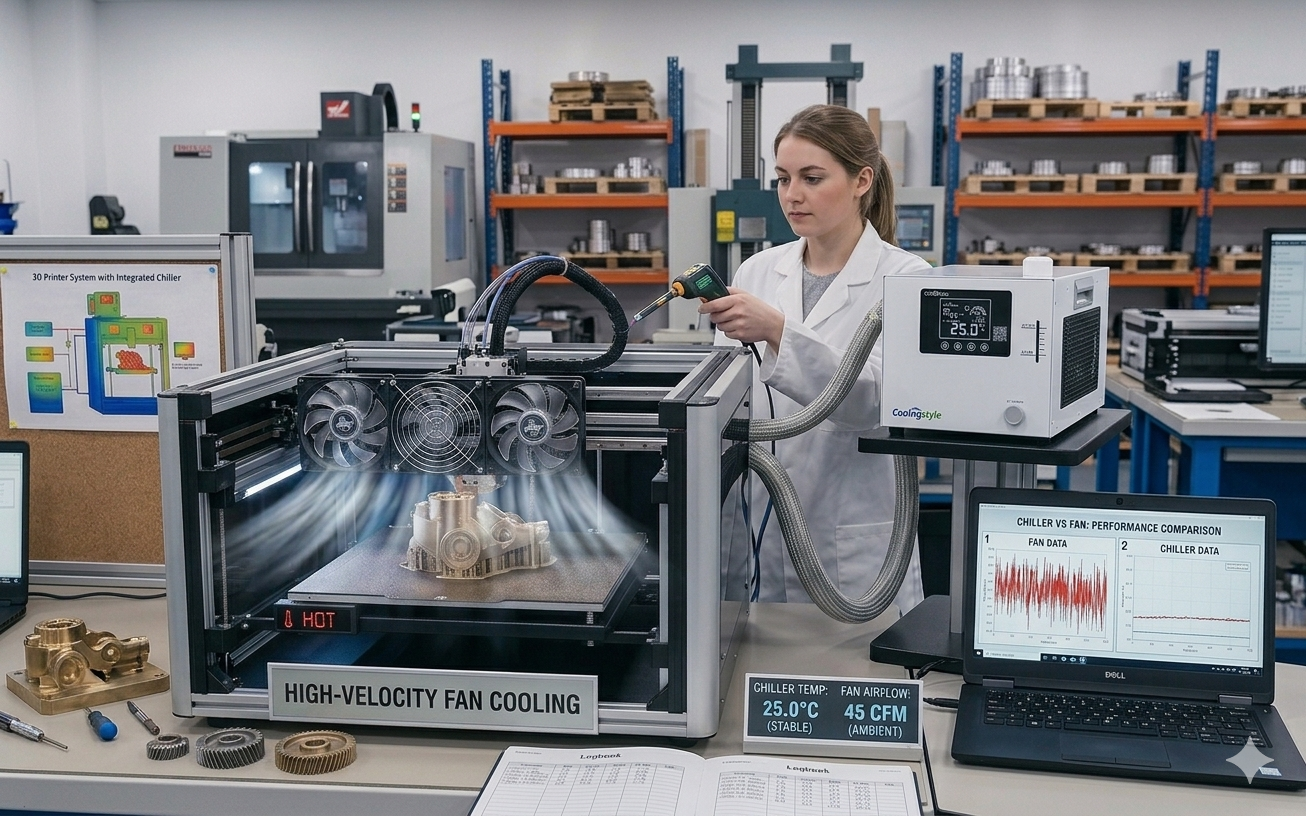
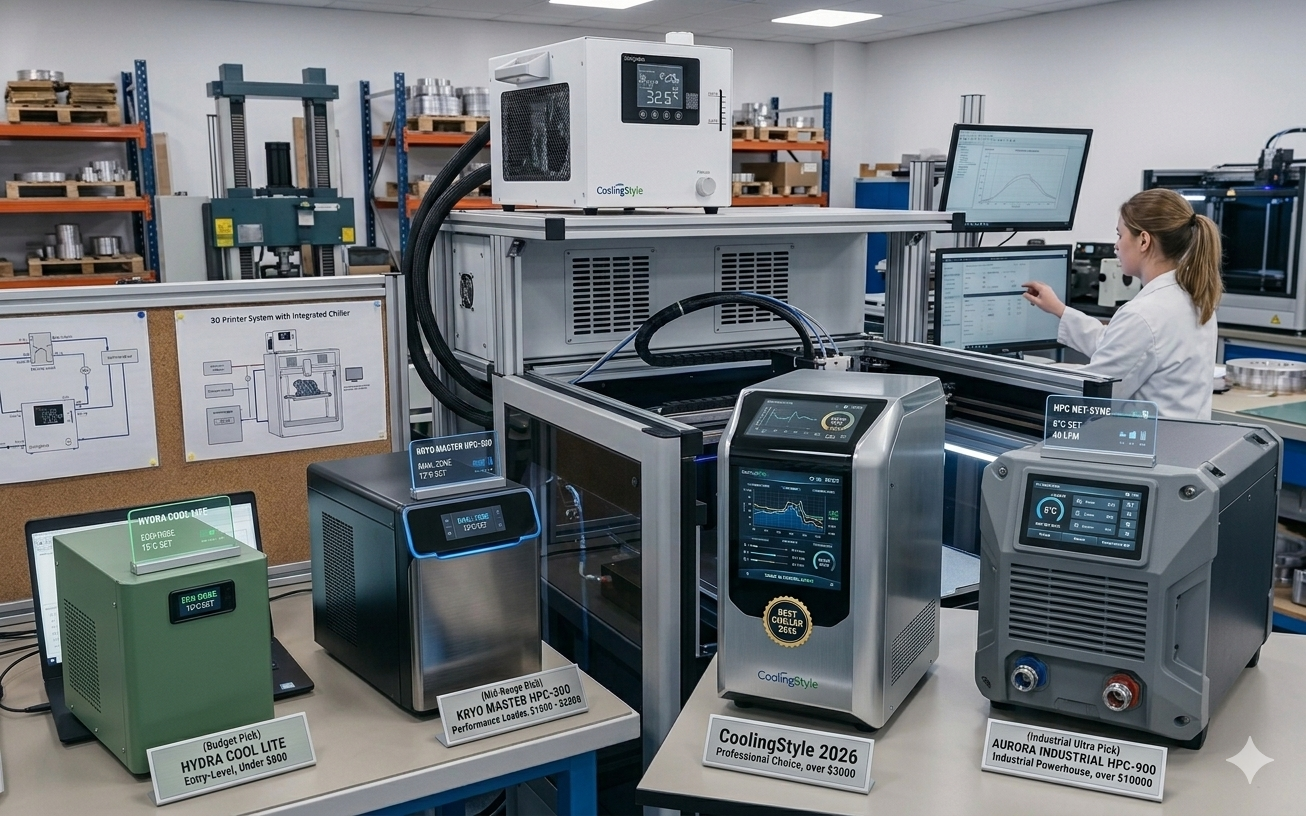
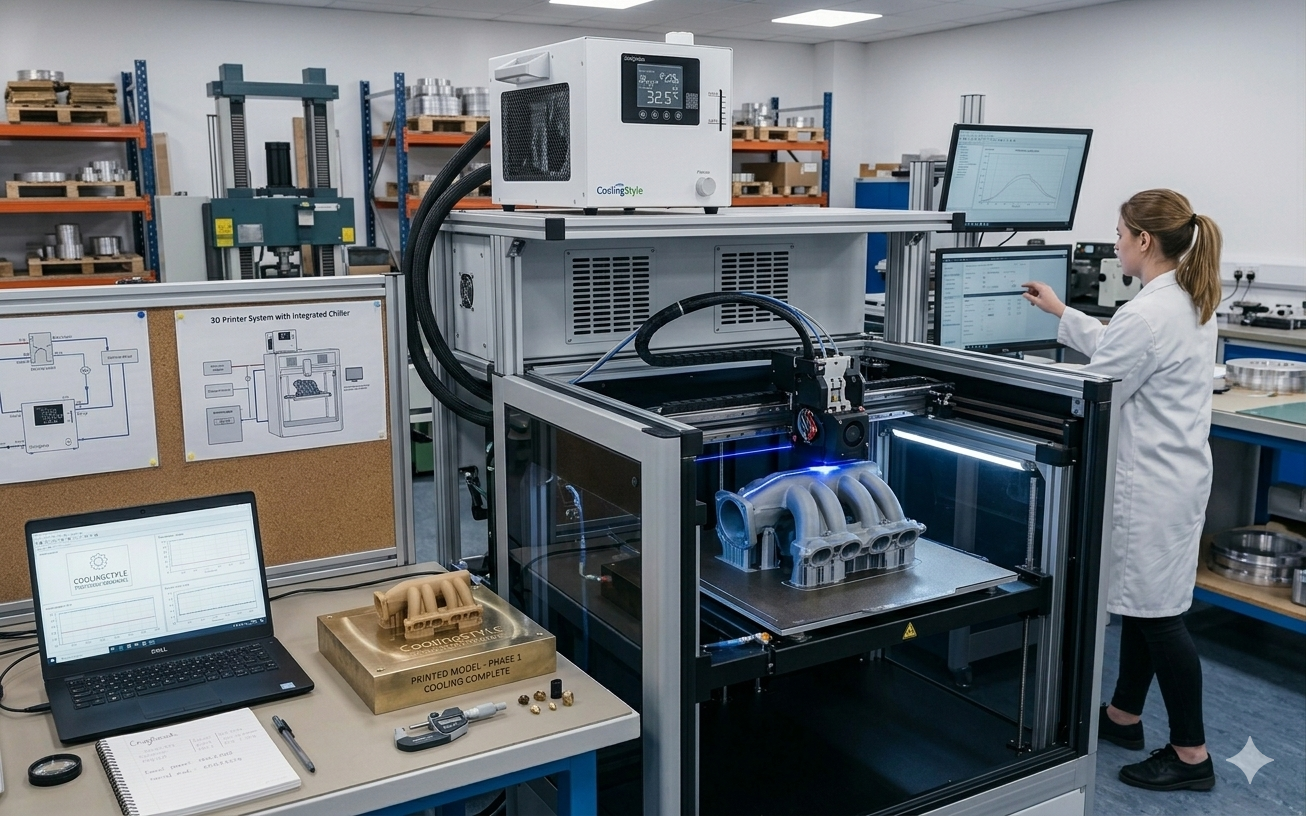
Coolingstyle provides precision-engineered cooling units designed specifically for laboratory analytical instruments, supporting consistent performance in demanding research and industrial environments.
1. Thermal Challenges in Laboratory Analytical Instruments
Analytical instruments generate heat during continuous operation, which can negatively affect measurement accuracy if not properly controlled.
- Heat from detectors, sensors, and light sources
- Thermal drift impacting measurement stability
- Long-duration testing requiring continuous cooling
- Sensitivity to temperature fluctuation
A dedicated cooling unit ensures stable thermal conditions and reliable analytical results.
2. Applications of Cooling Units in Analytical Instruments
2.1 Spectroscopy Systems
Instruments such as UV-Vis, fluorescence, and Raman spectroscopy systems rely on temperature stability for signal accuracy.
2.2 Chromatography Equipment
Gas and liquid chromatography systems require precise thermal control to maintain separation performance.
2.3 Mass Spectrometry
Cooling units help stabilize ion sources and detectors, improving measurement repeatability.
2.4 Environmental and Chemical Analysis
Analytical instruments used for environmental monitoring and chemical testing benefit from consistent cooling performance.
3. Performance Requirements for Laboratory Cooling Units
- High temperature stability with minimal fluctuation
- Low vibration and low noise operation
- Compact size for instrument integration
- High reliability for continuous laboratory use
- Compatibility with clean and controlled environments
Coolingstyle cooling units are designed to meet these strict laboratory requirements.
4. Advantages of Coolingstyle Cooling Units
- Precise thermal control for accurate analytical results
- Compact and space-saving design for instrument integration
- Quiet operation suitable for laboratory environments
- Custom cooling solutions for different analytical platforms
- Long-term operational stability for research and industrial use
5. Engineering Design for Analytical Instrument Cooling
5.1 Intelligent Temperature Control
Coolingstyle cooling units employ advanced control systems to maintain stable temperatures under varying heat loads.
5.2 Integration with Laboratory Instruments
Cooling units are engineered for seamless integration with analytical equipment and control electronics.
5.3 Monitoring and Protection
Built-in monitoring features support system protection and preventive maintenance.
6. Future Trends in Laboratory Instrument Cooling
- Higher sensitivity analytical instruments requiring tighter thermal control
- Compact instrument designs with higher thermal density
- Automation and continuous operation in laboratory workflows
Conclusion
A reliable cooling unit is essential for ensuring accuracy, stability, and repeatability in laboratory analytical instruments. Coolingstyle delivers advanced cooling solutions that support the evolving needs of modern laboratories and analytical systems.