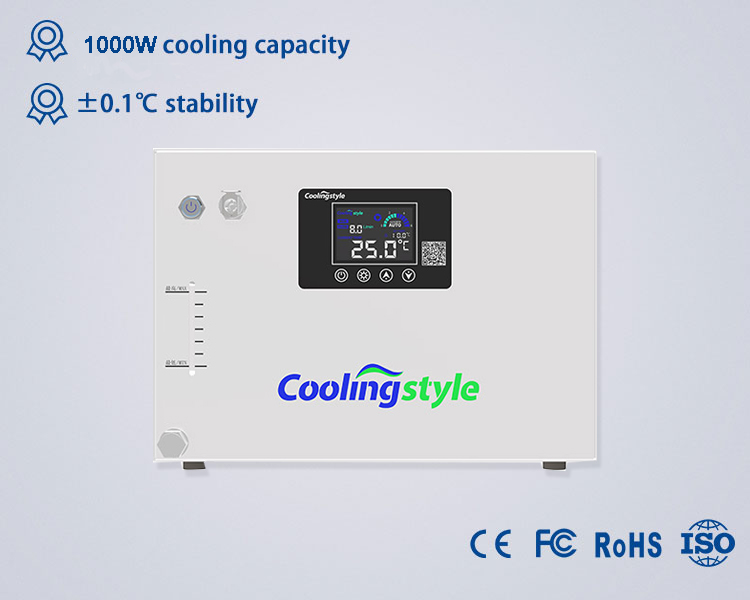
Medical imaging systems such as MRI, CT scanners, and advanced diagnostic equipment rely on highly stable electronic and optical components. These systems operate continuously and generate substantial heat, which must be carefully controlled to ensure image accuracy and patient safety. A precision-engineered cooling unit plays a critical role in maintaining stable operating conditions for modern medical imaging technologies.

Coolingstyle designs high-precision cooling units specifically developed for demanding medical and healthcare applications. This article explores how advanced cooling units support reliable performance in medical imaging systems and why precision thermal management is essential in clinical environments.
1. Thermal Management Challenges in Medical Imaging
Medical diagnostic equipment operates under strict performance and safety requirements. Thermal instability can directly affect image quality and system reliability.
- Heat accumulation in imaging electronics and laser modules
- Thermal drift impacting measurement accuracy
- Overheating reducing equipment lifespan
- Continuous operation requiring uninterrupted cooling
A high-performance cooling unit ensures stable temperature control, enabling accurate diagnostics and reliable system operation.
2. Cooling Unit Applications in Medical Imaging Systems
2.1 MRI and Magnetic Imaging Equipment
MRI systems require stable thermal environments for electronic control modules and optical subsystems. Precision cooling units help maintain consistent system performance and reduce thermal-related downtime.
2.2 CT and X-Ray Imaging Systems
CT scanners and X-ray equipment generate heat during high-speed imaging cycles. Advanced cooling units dissipate excess heat efficiently, ensuring stable imaging resolution and operational safety.
2.3 Optical and Laser-Based Diagnostic Devices
Many modern diagnostic tools incorporate lasers and optical sensors. Stable thermal control prevents wavelength drift and ensures measurement accuracy.
3. Key Performance Requirements for Medical Cooling Units
Cooling units designed for medical applications must meet strict technical and regulatory demands.
- High temperature stability and precision
- Low noise and vibration for clinical environments
- Compact design for integration into medical equipment
- High reliability for continuous operation
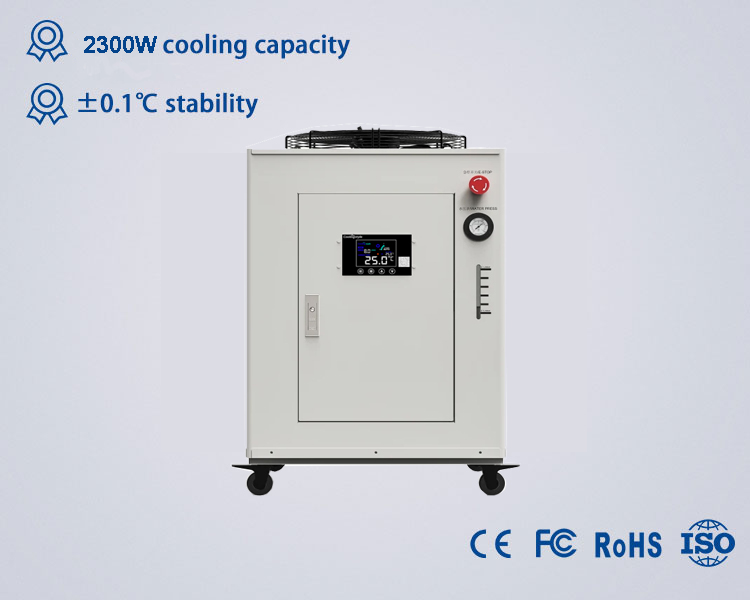
Coolingstyle cooling units are engineered to fulfill these critical requirements.
4. Advantages of Coolingstyle Cooling Units for Healthcare
- Precise thermal control for stable imaging performance
- Compact and modular architecture for system integration
- Quiet operation suitable for clinical settings
- Energy-efficient design reducing operating costs
- Extended equipment lifespan through effective cooling
5. Engineering Expertise Behind Coolingstyle Medical Cooling Units
5.1 Precision Control Technology
Coolingstyle employs advanced control algorithms to ensure tight temperature tolerances critical for medical imaging accuracy.
5.2 Customization for Medical Equipment Manufacturers
Coolingstyle provides OEM and customized cooling units tailored to specific imaging systems, cooling capacity, and integration requirements.
5.3 Safety and Reliability Focus
Built-in protection mechanisms safeguard sensitive medical equipment from thermal overload, enhancing system safety and reliability.
6. Future Trends in Medical Imaging Cooling
As medical imaging technology continues to evolve, cooling units will become even more integral to system performance.
- Higher precision cooling for next-generation imaging
- Further miniaturization of cooling units
- Integration with smart monitoring systems
- Improved energy efficiency and sustainability
Conclusion
A reliable cooling unit is essential for the stable and accurate operation of modern medical imaging and diagnostic systems. With precision engineering, quiet operation, and customization capabilities, Coolingstyle cooling units provide trusted thermal management solutions for advanced healthcare technologies.