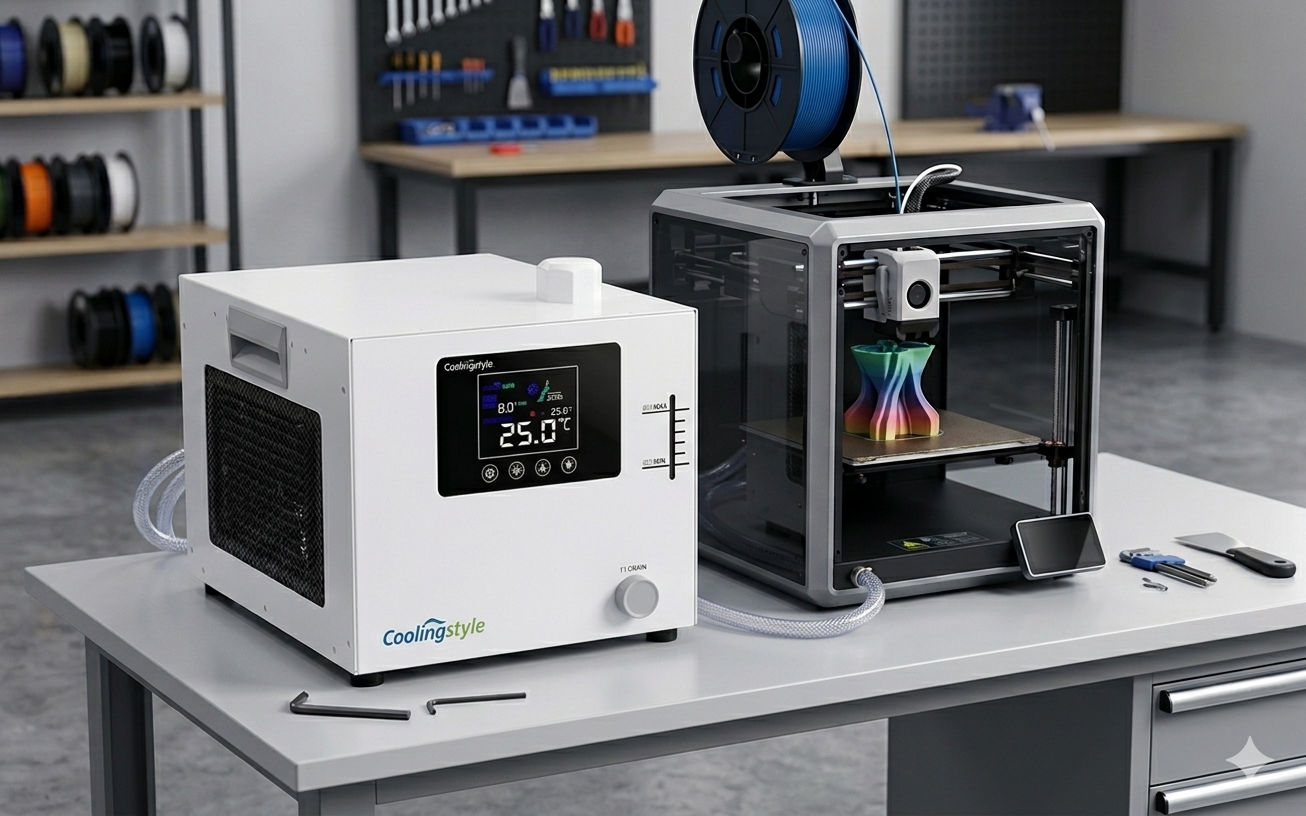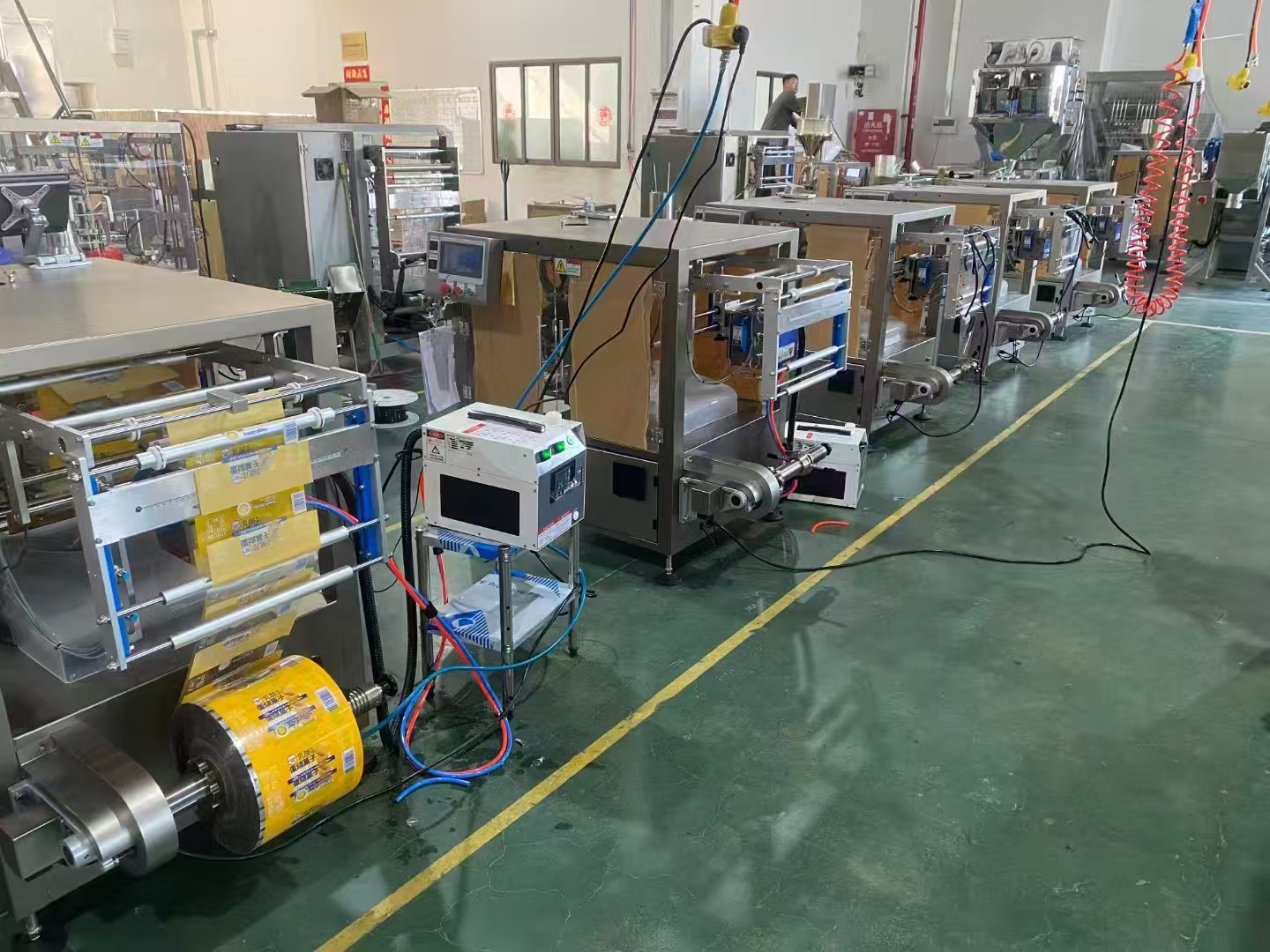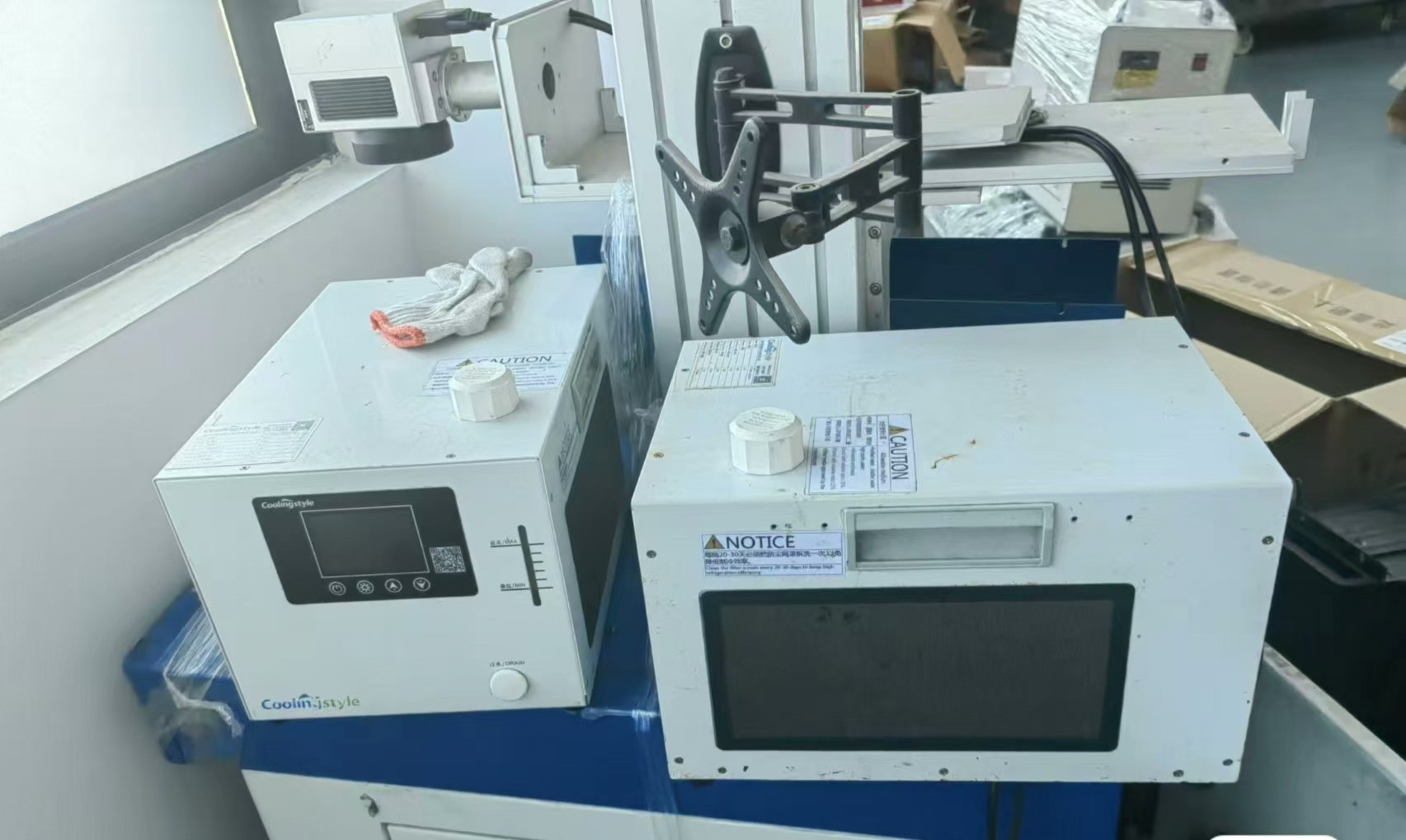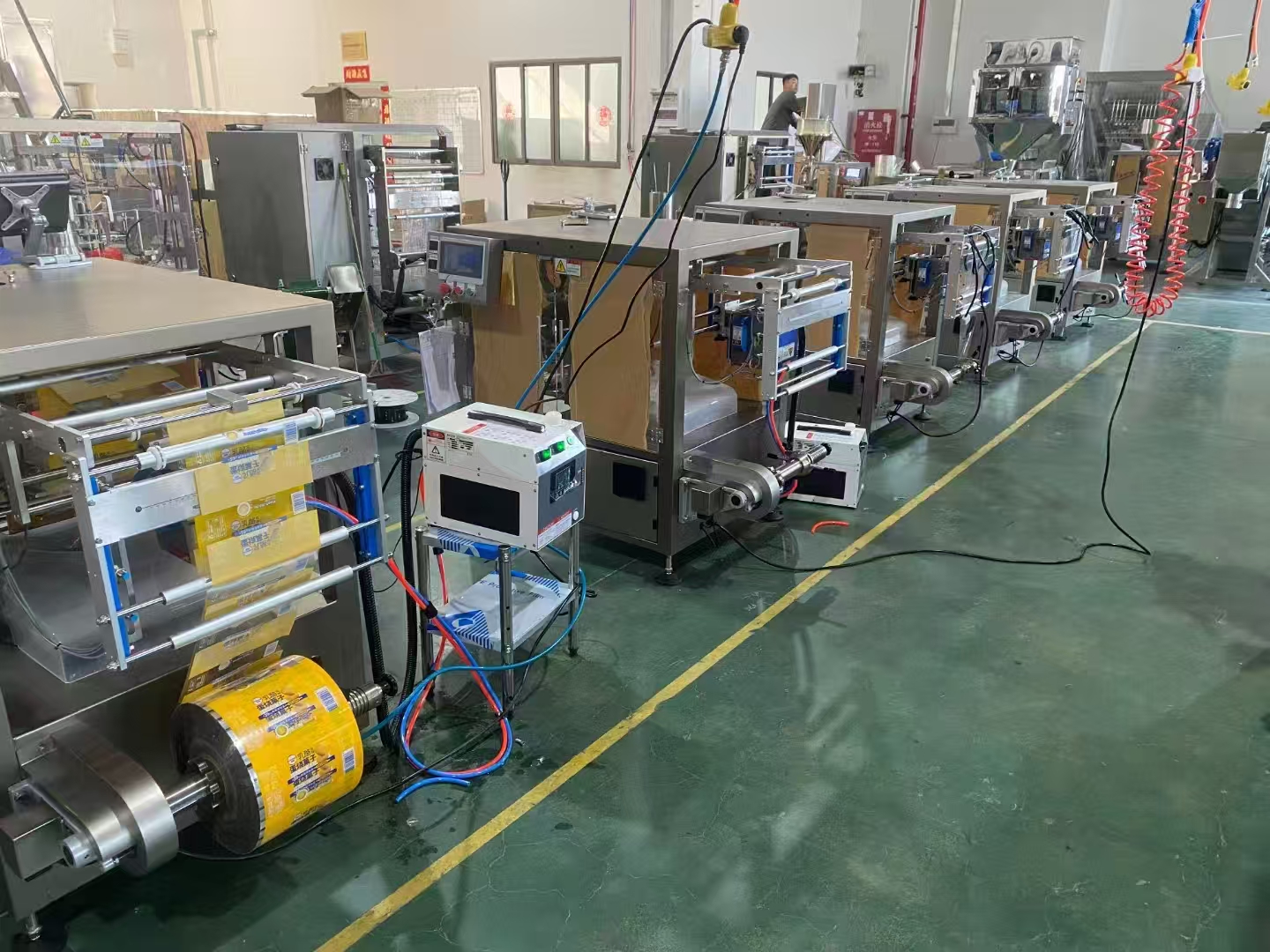
Power electronics and inverter systems are widely used in renewable energy, industrial automation, electric vehicles, and power conversion applications. As power density continues to increase, efficient thermal management has become a critical factor affecting system reliability and operational lifespan. A high-performance cooling unit is essential to maintain stable temperatures under continuous and high-load conditions.
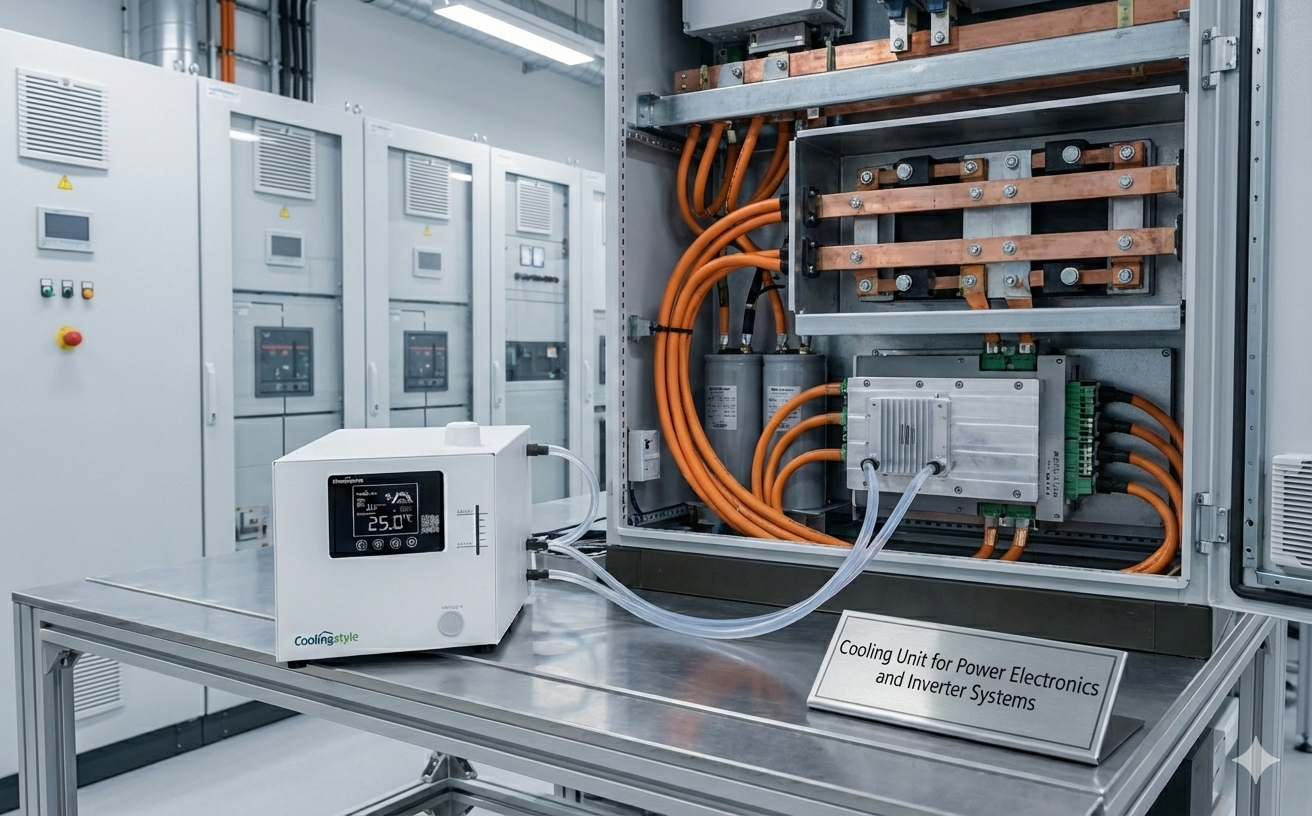
Coolingstyle designs advanced cooling units specifically engineered for power electronics and inverter systems, ensuring long-term stability, efficiency, and safe operation.
1. Thermal Challenges in Power Electronics Systems
Power electronic components such as IGBTs, MOSFETs, rectifiers, and control boards generate significant heat during operation. Without proper cooling, excessive temperatures can lead to efficiency loss, component degradation, or system failure.
- High heat flux from power semiconductor devices
- Thermal stress during continuous and peak load operation
- Temperature-sensitive control electronics
- Harsh industrial operating environments
A dedicated cooling unit provides stable thermal control and protects critical power components.
2. Applications of Cooling Units in Power Electronics
2.1 Inverter Systems
Inverters used in solar energy, wind power, and industrial drives require precise cooling to ensure efficient power conversion.
2.2 Energy Storage and Battery Systems
Cooling units help regulate temperature in power conversion modules connected to battery energy storage systems.
2.3 Electric Vehicle Power Modules
Onboard chargers, DC-DC converters, and motor controllers rely on stable cooling for performance and safety.
2.4 Industrial Power Supplies
High-power industrial power supplies benefit from reliable cooling to support continuous operation.
3. Key Requirements for Power Electronics Cooling Units
- High cooling capacity for dense heat loads
- Stable temperature control under variable power conditions
- Robust design for industrial environments
- Low maintenance and high reliability
- Scalable integration with different system architectures
4. Coolingstyle Cooling Unit Advantages
- Efficient heat removal for high-power electronic components
- Compact and modular design for flexible system integration
- Intelligent temperature regulation for dynamic load changes
- Industrial-grade reliability for long-term operation
- Custom cooling solutions tailored to specific inverter designs
5. Engineering Design Considerations
5.1 Thermal Stability and Efficiency
Coolingstyle cooling units are engineered to maintain consistent temperatures while maximizing energy efficiency.
5.2 System Integration
The cooling unit integrates seamlessly with power electronics enclosures, control systems, and safety circuits.
5.3 Protection and Monitoring
Advanced monitoring functions support system diagnostics and preventive maintenance.
6. Future Trends in Power Electronics Cooling
- Increasing power density in compact inverter designs
- Higher efficiency standards in renewable energy systems
- Demand for intelligent and adaptive cooling solutions
Conclusion
A reliable cooling unit is a critical component in modern power electronics and inverter systems. Coolingstyle provides advanced cooling solutions that enhance system stability, efficiency, and operational safety across energy and industrial applications.