In modern 3D printing operations, cost efficiency is just as important as print quality and speed. Whether you are running a small workshop or a large-scale manufacturing facility, controlling production costs is critical for long-term profitability.
One often overlooked factor that significantly impacts overall costs is 온도 관리. Poor thermal control can lead to failed prints, material waste, machine downtime, and increased energy consumption.
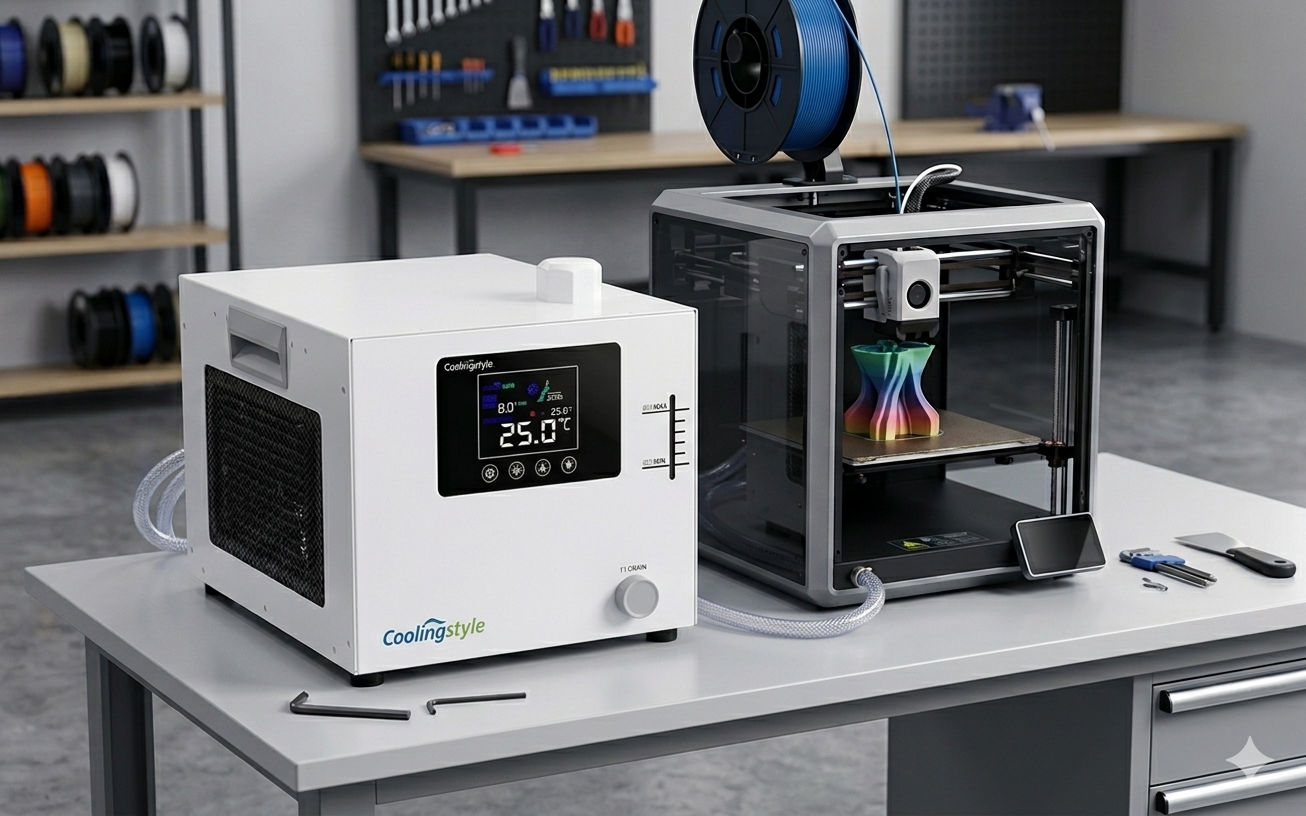
This is where advanced cooling solutions come into play. 이 기사에서, we explore how a 3D 프린터 냉각기 directly impacts production costs and why solutions like 냉각 스타일—특집 ±0.01°C 정밀도, 컴팩트한 마이크로 디자인, 친환경 R290 냉매, 마이크로채널 열교환 기술—can dramatically improve efficiency and profitability.
Understanding Production Costs in 3D Printing
Production costs in 3D printing typically include:
- Material costs
- Energy consumption
- Machine maintenance
- Labor costs
- Failure and reprint costs
Temperature control affects nearly all of these factors.
The Hidden Cost of Poor Cooling
1. Print Failures
Unstable temperatures can cause warping, 층 분리, and incomplete prints.
2. Material Waste
Failed prints lead to wasted materials, increasing operational costs.
3. Increased Downtime
Overheating can cause system shutdowns and delays.
4. Equipment Wear
Thermal stress shortens the lifespan of components.
These hidden costs can accumulate quickly over time.
How Chillers Reduce Production Costs
정밀한 온도 제어
다음과 같은 고급 시스템 냉각기 solutions maintain stable temperatures, reducing errors and inconsistencies.
낮은 실패율
Consistent cooling minimizes defects, reducing the need for reprints.
Improved Energy Efficiency
Efficient systems consume less power, lowering electricity bills.
확장 장비 수명
Reduced thermal stress leads to fewer repairs and replacements.
Cost Savings Breakdown
| Cost Factor | Without Chiller | With Chiller |
|---|---|---|
| Failure Rate | 높은 | 낮은 |
| Material Waste | Significant | Minimal |
| 에너지 소비 | 더 높은 | Optimized |
| Maintenance Costs | Frequent | Reduced |
냉각 방식의 장점
냉각 스타일 is designed to maximize efficiency while minimizing costs.
Core Benefits:
- 초고정밀 온도 제어 (±0.01°C)
- Compact micro design for efficient operation
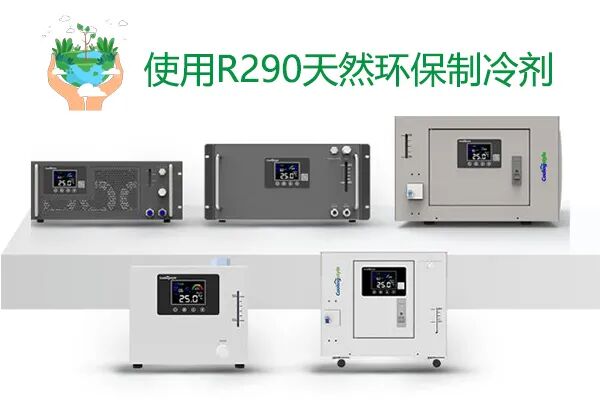
- Eco-friendly R290 refrigerant for reduced energy consumption
- 첨단 마이크로채널 열교환 기술
- 지속적인 작동을 위한 안정적인 성능
These features directly contribute to cost savings and improved ROI.
Real-World Impact on Production Costs
산업 제조
Lower failure rates and energy savings significantly reduce operational costs.
Prototyping Labs
Consistent results reduce time and material waste.
High-Volume Production
Efficient cooling supports continuous, cost-effective production.
전문가 통합 냉각기 system can transform cost efficiency in these environments.
ROI of Investing in a Chiller
While chillers require an upfront investment, the return on investment can be substantial:
- Reduced reprint costs
- Lower energy bills
- Decreased maintenance expenses
- 생산성 향상
시간이 지남에 따라, these savings outweigh the initial cost.
Best Practices for Cost Optimization
- Use high-efficiency cooling systems
- 정기적으로 온도를 모니터링하세요
- 일상적인 유지 관리 수행
- Optimize printing parameters
피해야 할 일반적인 실수
- Ignoring cooling system performance
- Using inadequate cooling solutions
- Overlooking long-term costs
- 유지 관리를 무시함
Future Trends in Cost-Efficient Cooling
- 자동화된 스마트 냉각 시스템
- More energy-efficient designs
- 친환경 냉매 채용
- Integration with cost-monitoring tools
Coolingstyle 소형 압축기의 응용
A 3D printer chiller is not just a cooling device—it is a strategic investment that directly impacts production costs. By improving temperature stability, reducing failures, and enhancing energy efficiency, chillers play a crucial role in optimizing operations.
그것으로 0.01°C 정밀도, 컴팩트한 디자인, 친환경 R290 냉매, 마이크로채널 열교환 기술, 냉각 스타일 offers a powerful solution for reducing costs and improving performance.
If you are looking to maximize efficiency and profitability, investing in a high-quality chiller system is one of the smartest decisions you can make.