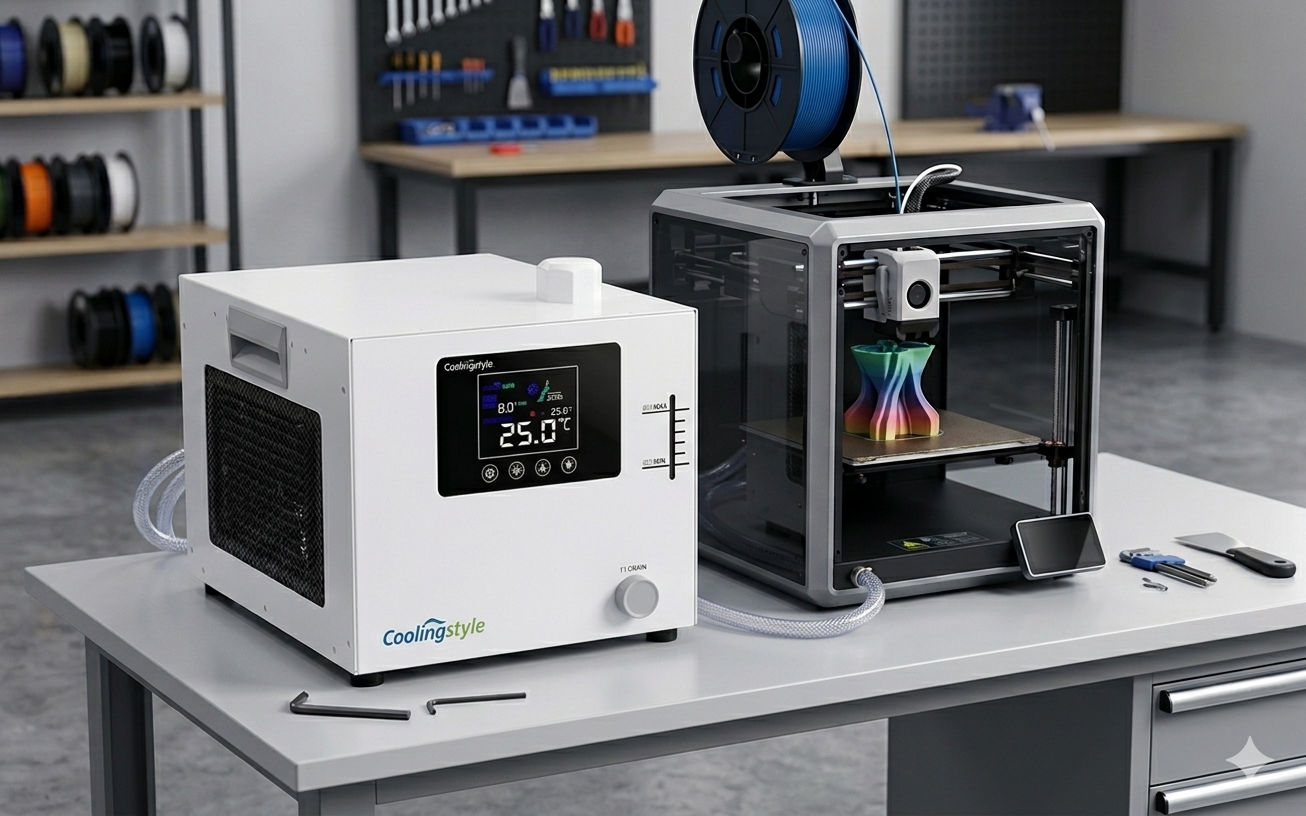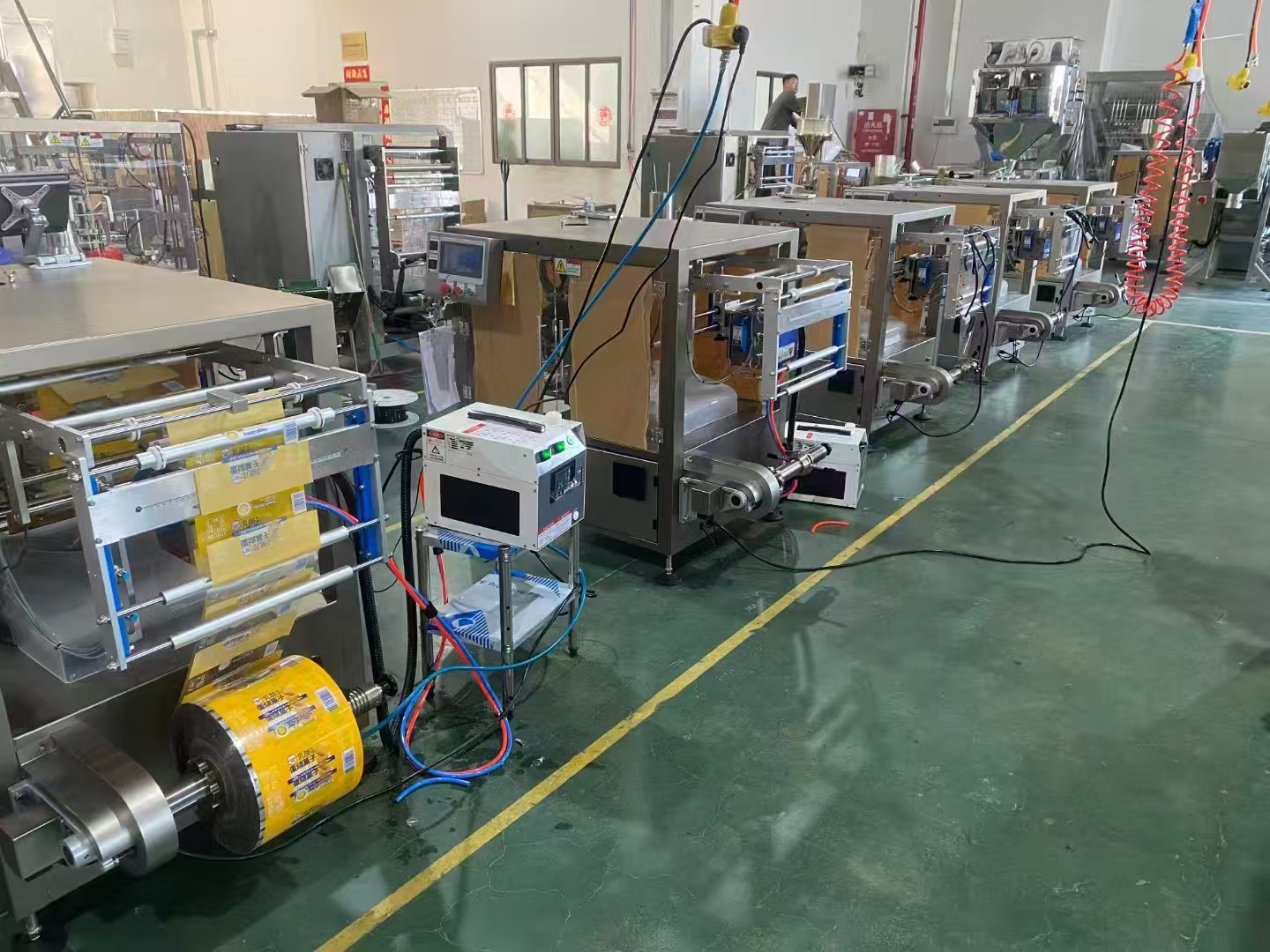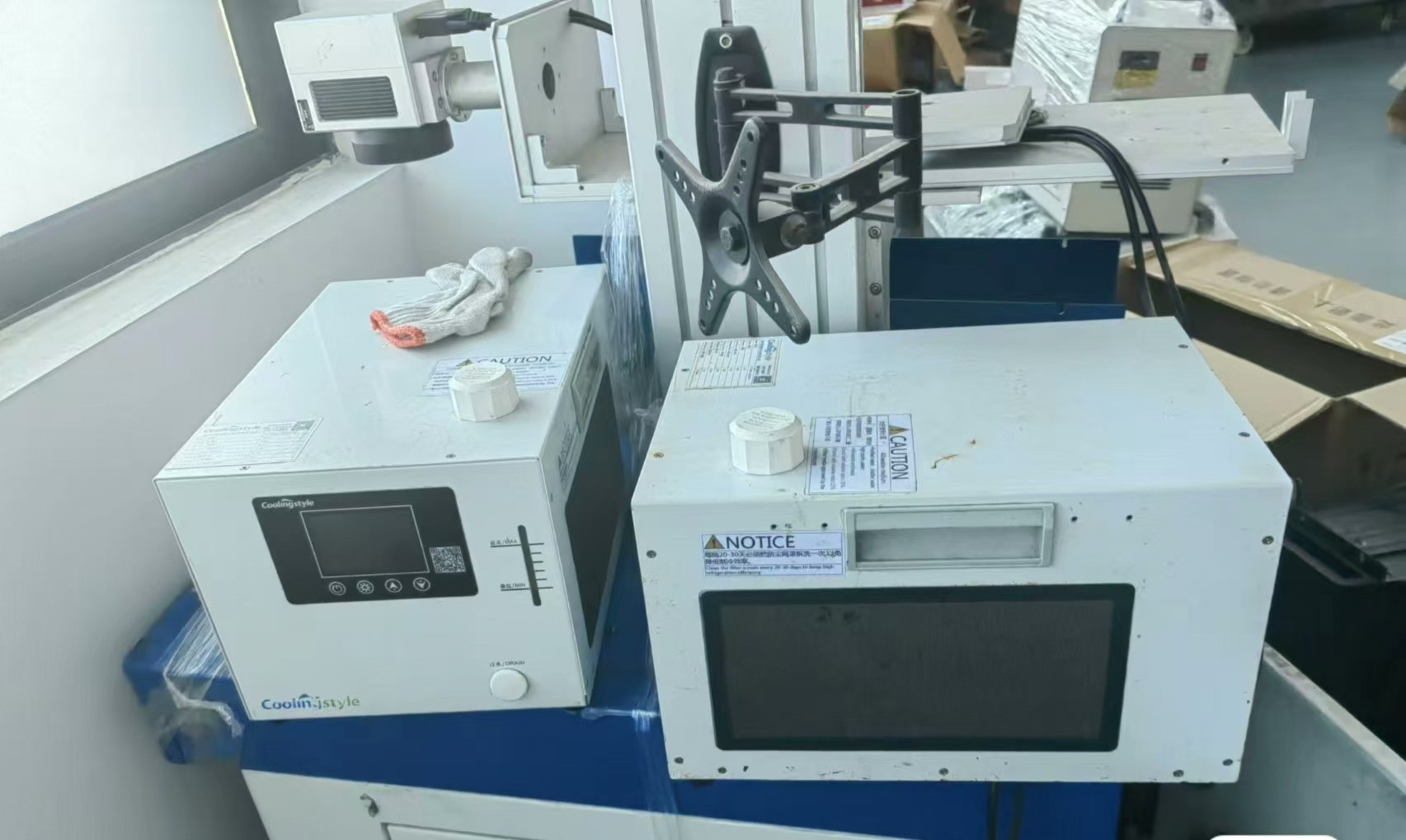
Choosing the right miniature chiller for your fiber laser system is essential for maintaining performance, precision, and long-term reliability. Fiber lasers generate significant heat during operation, and without proper cooling, system efficiency and lifespan can be seriously affected.
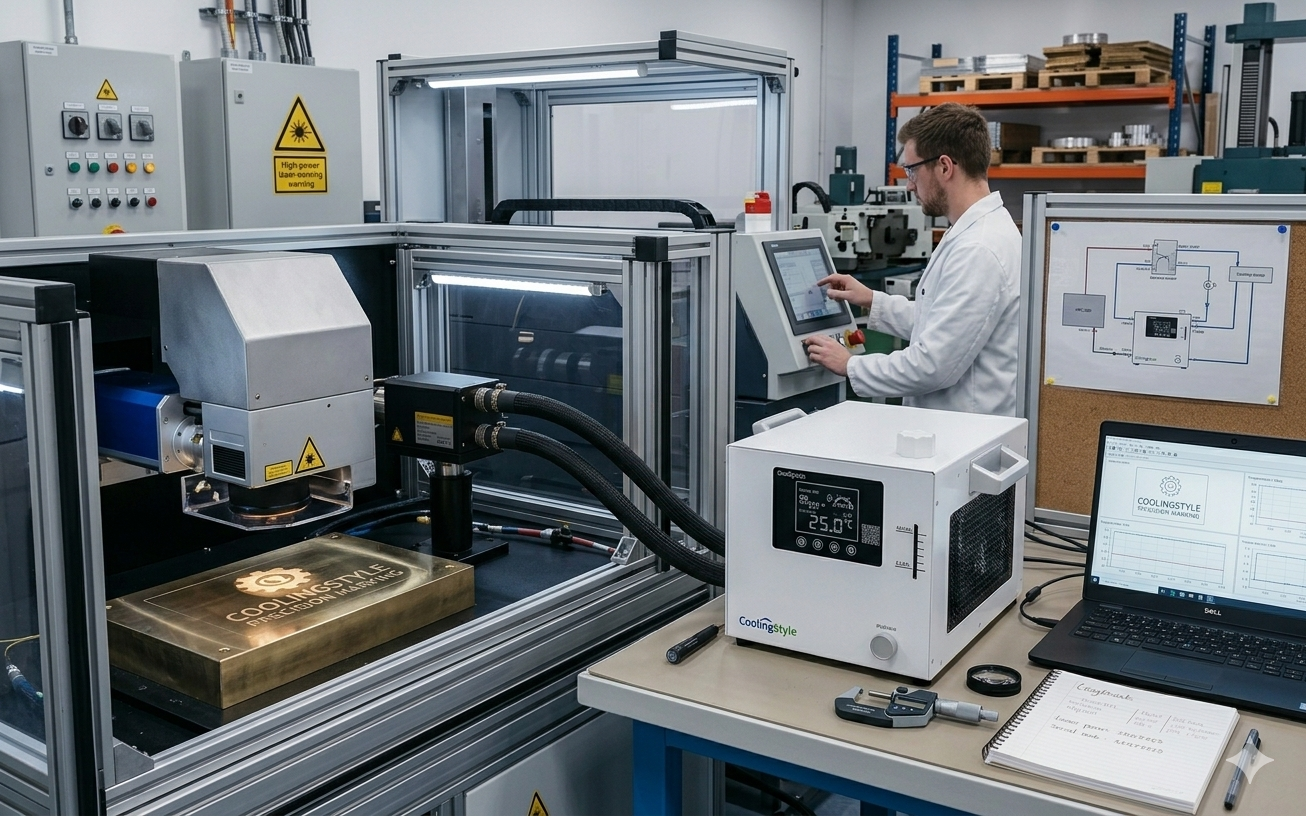
In this complete guide, you’ll learn how to select the best chiller based on cooling capacity, temperature stability, and system requirements.
Why Fiber Laser Systems Need a Miniature Chiller
Fiber laser machines operate with high energy density, which leads to rapid heat buildup in the laser source and optical components.
Without proper cooling, this can cause:
- Unstable laser output
- Reduced cutting or engraving precision
- Faster wear of internal components
- Unexpected equipment downtime
A high-performance miniature chiller ensures consistent temperature control and protects your laser investment.
Key Factors When Choosing a Miniature Chiller
1. Cooling Capacity
Matching the chiller’s cooling capacity with your laser power is critical:
- ≤500W fiber laser: 500W–1kW chiller
- 500W–1500W: 1kW–3kW chiller
- 1500W+: 3kW+ industrial chiller
Choosing the correct capacity prevents overheating and improves efficiency.
2. Temperature Control Accuracy
Fiber lasers require stable cooling. Look for:
- ±0.1°C to ±0.3°C precision
- Digital temperature control
- Real-time monitoring
3. Dual Temperature Control System
Many fiber laser systems require dual-loop cooling:
- One loop for the laser source
- One loop for the cutting head
This improves cooling efficiency and system stability.
4. Water Flow and Pump Pressure
A reliable chiller should provide stable water circulation:
- Sufficient flow rate (L/min)
- Consistent pressure for long pipelines
5. Energy Efficiency
Energy-efficient chillers reduce electricity consumption and operating costs over time.
6. Safety Features
- Over-temperature protection
- Low water level alarm
- Flow monitoring system
- Compressor protection
Types of Miniature Chillers for Fiber Laser Systems
Air-Cooled Chillers
Air-cooled chillers are easy to install and suitable for small to medium fiber laser systems.
Water-Cooled Chillers
Water-cooled chillers offer higher efficiency and are ideal for high-power industrial applications.
Common Mistakes to Avoid
- Choosing insufficient cooling capacity
- Ignoring temperature stability requirements
- Not considering dual cooling systems
- Focusing only on price instead of quality
Conclusion
Selecting the right miniature chiller ensures stable performance, better processing quality, and longer equipment lifespan. By focusing on cooling capacity, precision, and system compatibility, you can significantly improve your fiber laser system’s efficiency.
Need Help Choosing a Fiber Laser Chiller?
We provide customized cooling solutions for different fiber laser systems.
FAQ
What temperature is ideal for a fiber laser chiller?
Most fiber lasers operate best between 20°C and 25°C, depending on manufacturer specifications.
Do fiber lasers always need a chiller?
Yes. Unlike basic cooling systems, chillers provide precise temperature control required for stable operation.
How often should I maintain my chiller?
Routine maintenance every 3–6 months is recommended to ensure optimal performance.