As 3D printing technology becomes more advanced and widely adopted, maintaining stable operating conditions is no longer optional—it is essential. Among all the factors influencing print quality and reliability, temperature control stands out as one of the most critical.
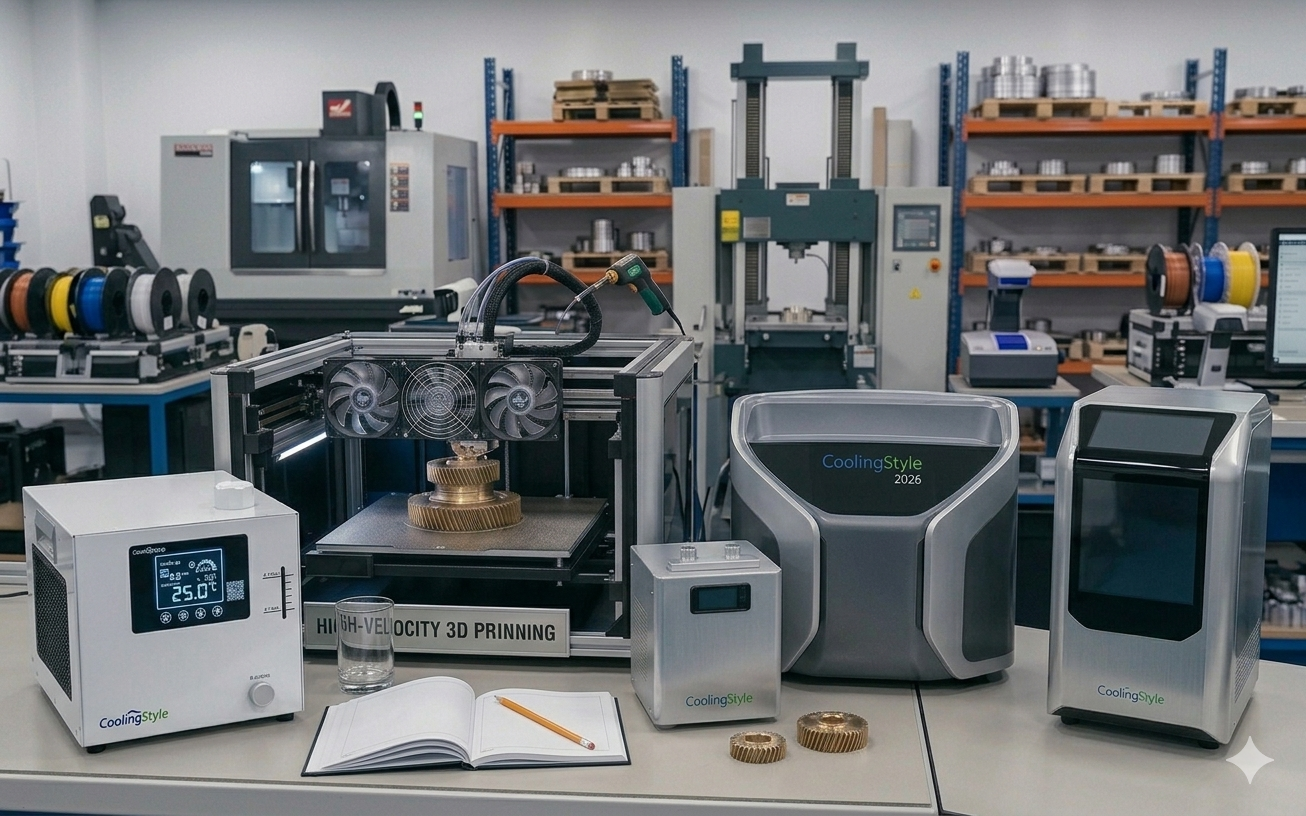
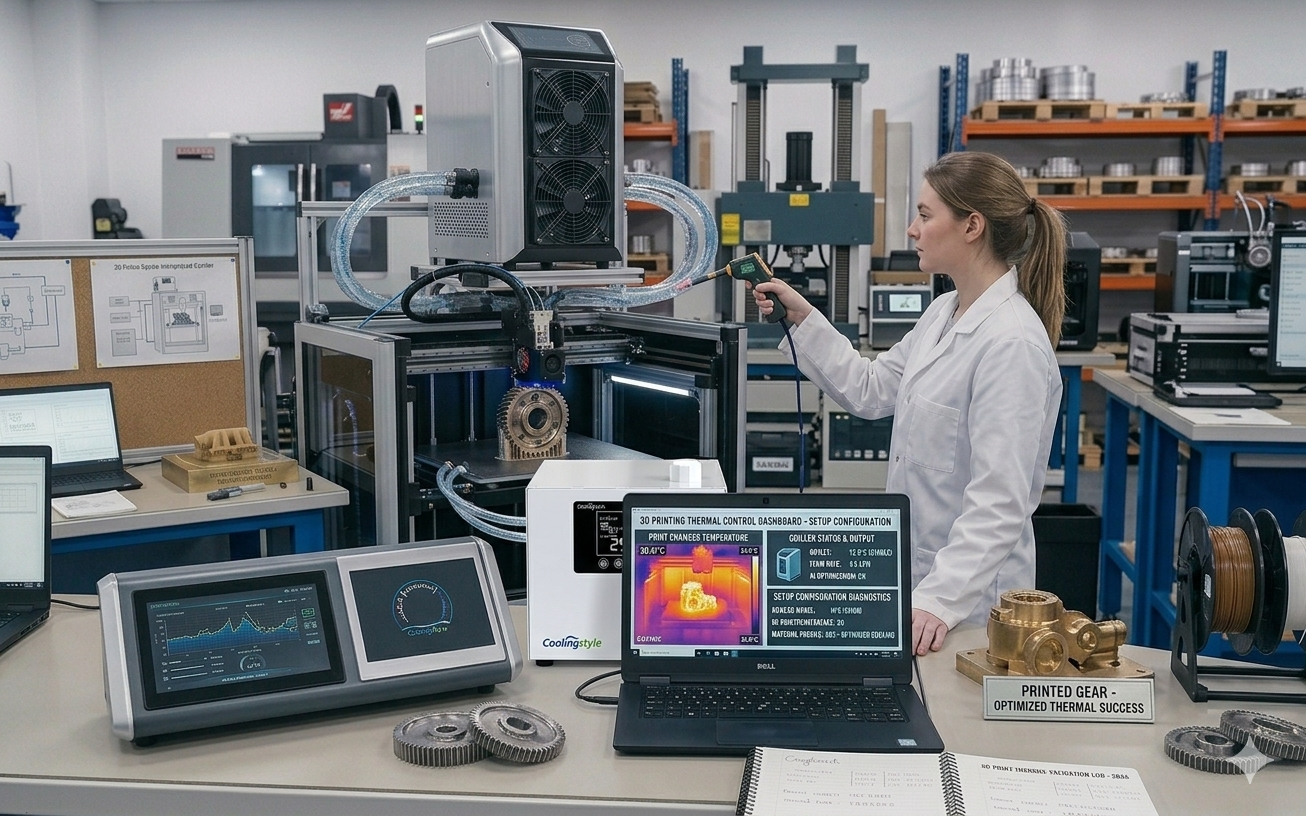
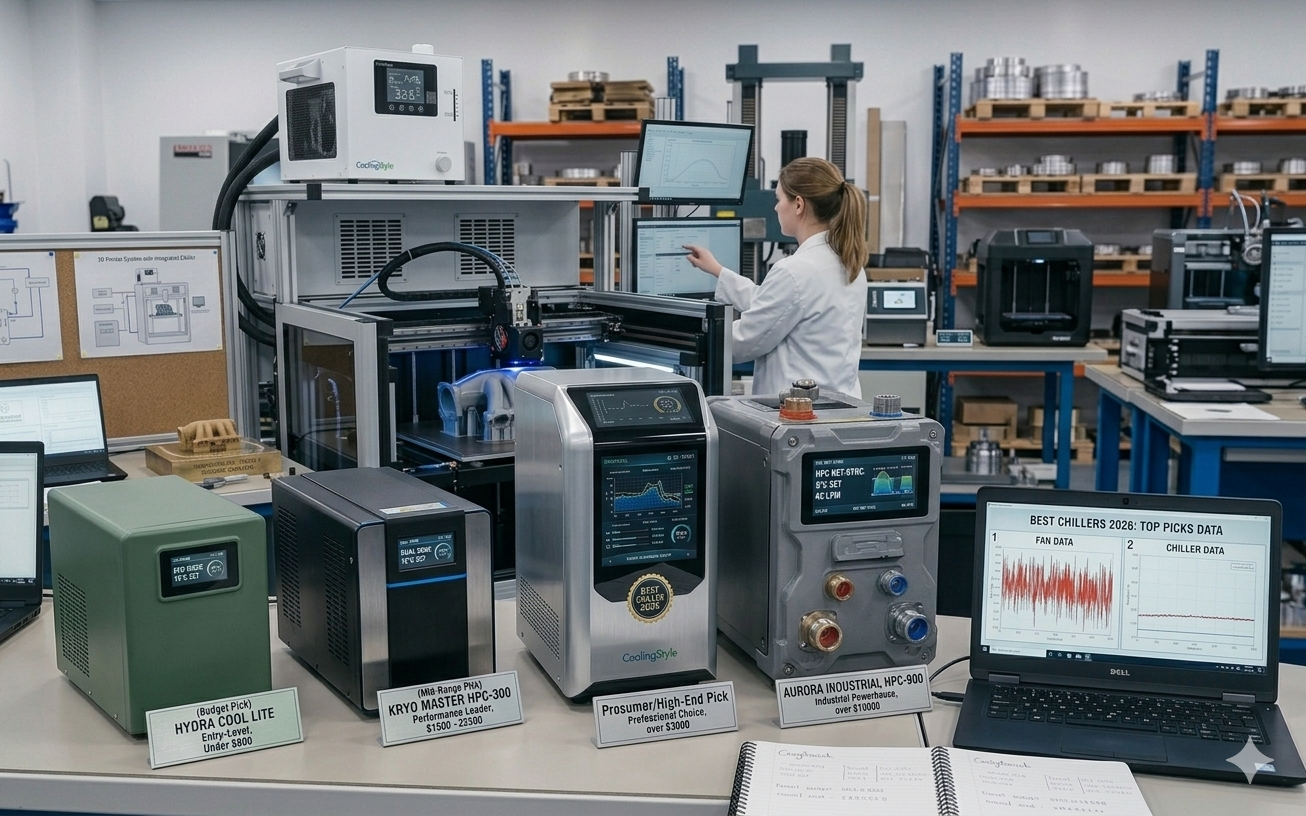
A high-performance 3D printer chiller ensures consistent thermal management, enabling better layer adhesion, improved dimensional accuracy, and longer equipment lifespan. However, with so many options available on the market, choosing the right chiller can be overwhelming.
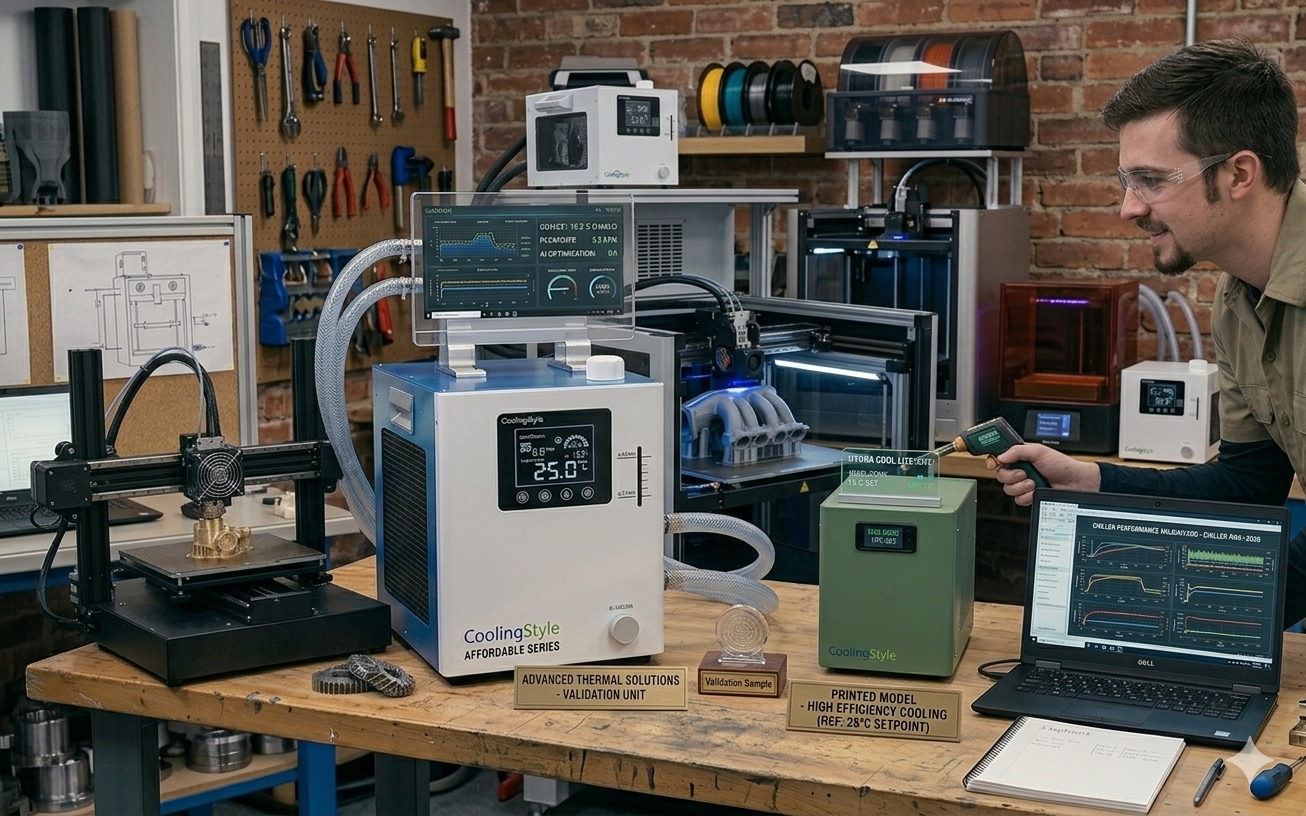
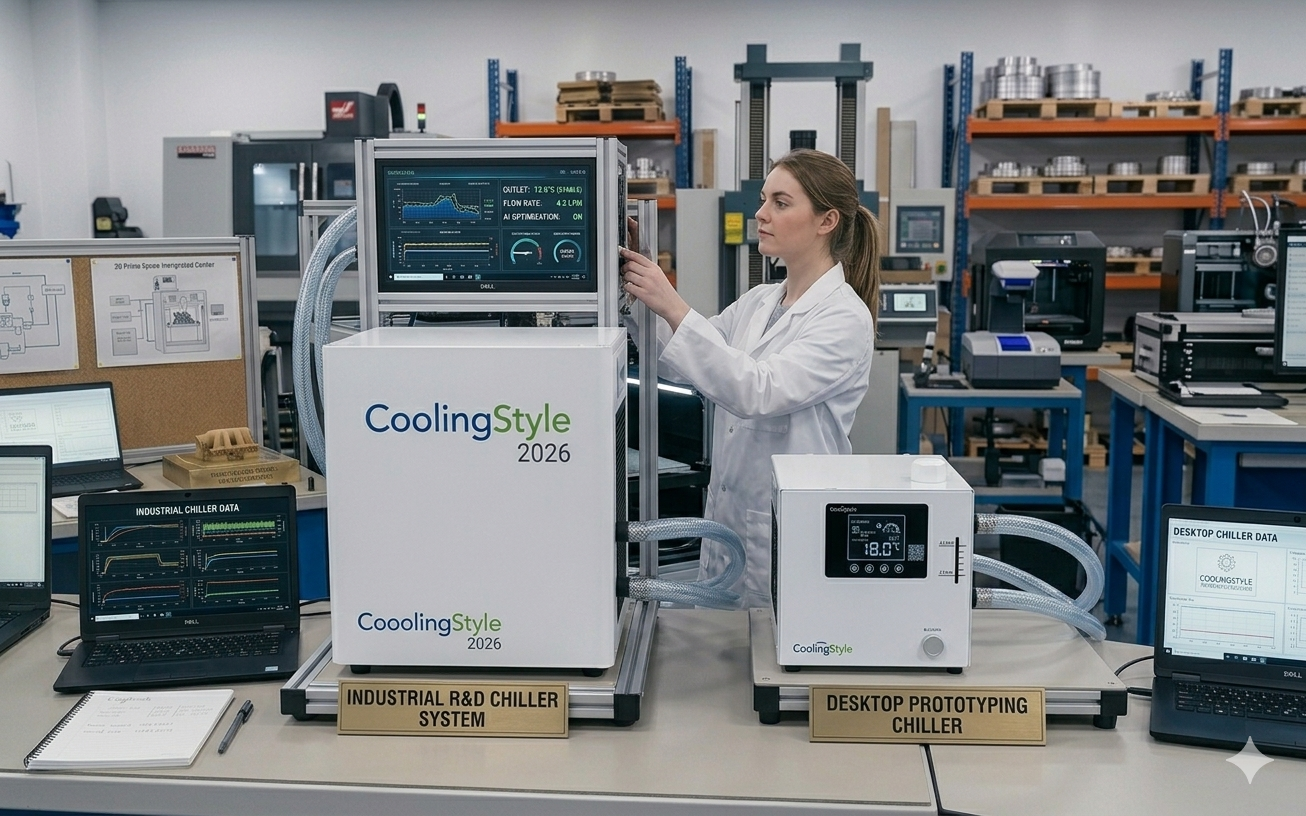
In this comprehensive guide, we will explore the top features to look for in a 3D printer chiller, helping you make an informed decision. We will also highlight how coolingstyle delivers cutting-edge solutions with ±0.01°C precision, compact micro design, eco-friendly R290 refrigerant, and microchannel heat exchange technology.
Why Choosing the Right Chiller Matters
Before diving into specific features, it’s important to understand why a chiller is such a crucial component in 3D printing.
- Maintains stable extrusion temperatures
- Prevents warping and deformation
- Improves surface finish quality
- Reduces print failures
- Extends the lifespan of printer components
Without proper cooling, even the most advanced 3D printer cannot perform at its full potential.
1. Temperature Control Precision
Precision is the most important feature of any 3D printer chiller. Even small temperature fluctuations can negatively impact print quality.
Standard chillers typically offer accuracy between ±0.3°C and ±1°C. However, high-end solutions like coolingstyle provide ultra-high precision of ±0.01°C.
This level of control ensures:
- Consistent material flow
- Improved dimensional accuracy
- Reduced defects in high-precision applications
2. Cooling Capacity
The cooling capacity determines how effectively the chiller can remove heat from your system. It should match the thermal output of your 3D printer.
Factors to consider include:
- Printer size and power
- Printing duration
- Ambient temperature
Choosing the right capacity ensures efficient performance without unnecessary energy consumption.
3. Compact and Space-Saving Design
Space is often limited in workshops, labs, and production environments. A bulky chiller can be difficult to install and manage.
coolingstyle addresses this challenge with a compact and micro-scale design, offering:
- Easy integration into tight spaces
- Flexible installation options
- Reduced footprint without compromising performance
4. Energy Efficiency
Energy consumption is a key consideration, especially for businesses running multiple printers or operating continuously.
Efficient chillers help:
- Lower operational costs
- Reduce environmental impact
- Improve overall system efficiency
coolingstyle systems are designed for high efficiency, making them ideal for long-term use.
5. Eco-Friendly Refrigerant
Sustainability is becoming increasingly important in modern manufacturing. Traditional refrigerants can have a high environmental impact.
coolingstyle uses R290 refrigerant, which offers:
- Low global warming potential (GWP)
- High energy efficiency
- Environmentally responsible cooling
6. Advanced Heat Exchange Technology
The efficiency of a chiller largely depends on its heat exchange system.
Traditional systems use bulky and less efficient designs. In contrast, coolingstyle employs microchannel heat exchange technology, providing:
- Faster heat transfer
- Improved cooling performance
- Reduced system size and weight
7. Reliability and Durability
A reliable chiller ensures uninterrupted operation, especially in industrial environments.
Look for features such as:
- High-quality components
- Stable long-term performance
- Low maintenance requirements
Coolingstyle systems are engineered for durability, making them suitable for continuous use.
8. Noise Level
Noise can be a concern in offices or small workshops. Air-based systems often produce more noise due to fans.
Advanced chillers are designed to operate quietly, improving the working environment.
9. Ease of Installation and Maintenance
A good chiller should be easy to install and maintain. Complicated systems can increase downtime and operational costs.
Key considerations include:
- User-friendly setup
- Accessible components
- Minimal maintenance requirements
10. Scalability and Future-Proof Design
As your 3D printing needs grow, your cooling system should be able to scale accordingly.
Choosing a future-proof solution ensures:
- Compatibility with multiple printers
- Adaptability to new materials
- Long-term investment value
Why coolingstyle Stands Out
When evaluating all these features, coolingstyle emerges as a leading solution in the market.
Key Advantages of coolingstyle:
- ±0.01°C ultra-precise temperature control
- Compact and micro-scale design
- Eco-friendly R290 refrigerant
- Advanced microchannel heat exchange technology
- High reliability and energy efficiency
By combining precision, efficiency, and sustainability, coolingstyle offers a comprehensive solution for modern 3D printing needs.
Common Mistakes to Avoid
- Choosing based on price alone
- Ignoring precision requirements
- Overlooking energy efficiency
- Failing to consider future scalability
Conclusion
Selecting the right 3D printer chiller is a critical decision that directly impacts print quality, efficiency, and long-term success.
By focusing on key features such as temperature precision, cooling capacity, compact design, energy efficiency, and advanced heat exchange technology, you can ensure optimal performance.
With its 0.01°C precision, compact design, eco-friendly R290 refrigerant, and microchannel heat exchange technology, coolingstyle sets a new benchmark for high-performance cooling solutions.
Investing in the right chiller is not just about cooling—it’s about unlocking the full potential of your 3D printing setup.